
Simplest way to handle pest snails in an aquarium
Many newcomers to the aquascaping hobby often worry about having too many snails in their tank, even if there are only a few.
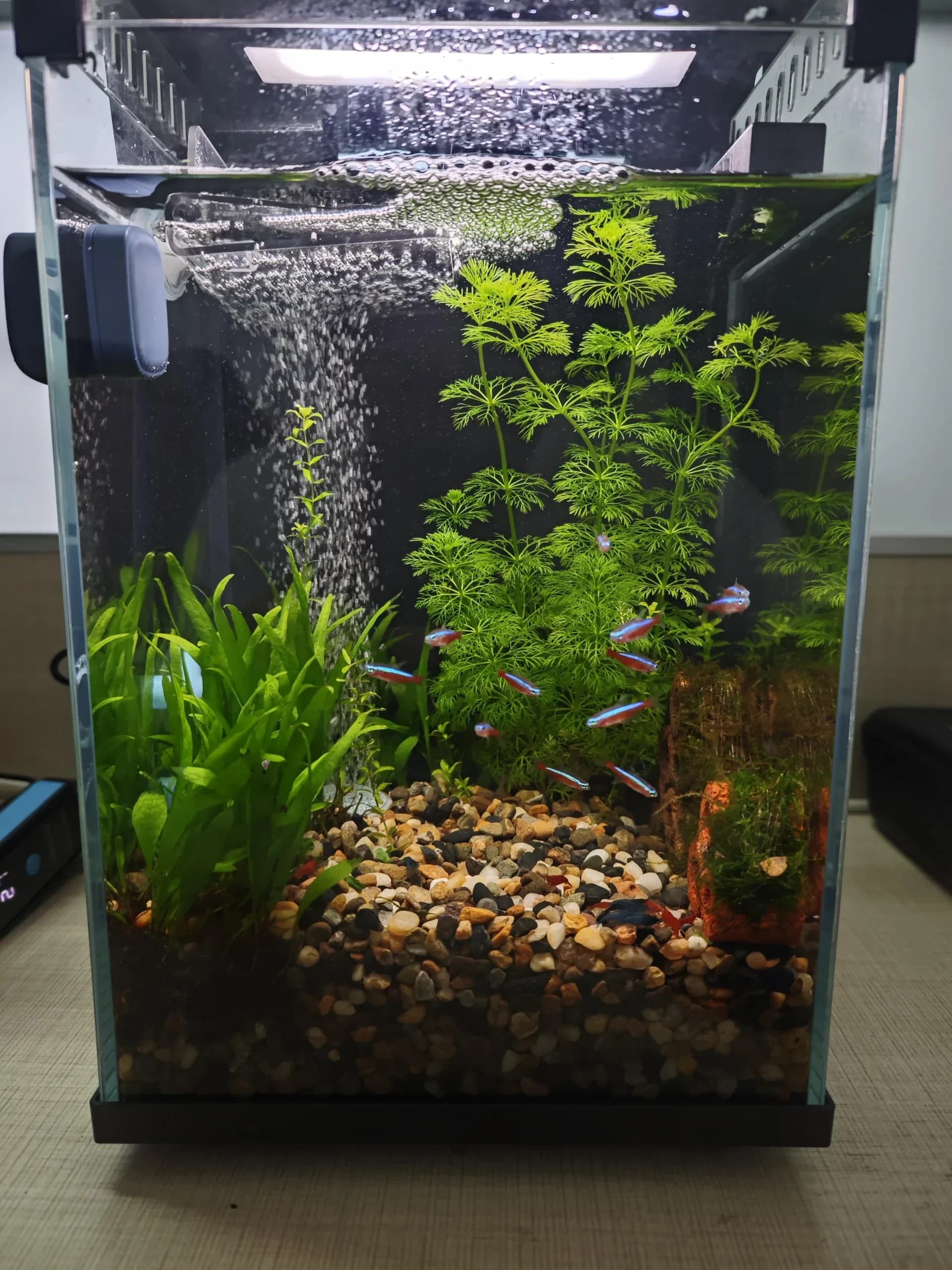
Fish in the ornamental aquarium with snails
Many newcomers to the aquascaping hobby often worry about having too many snails in their tank, even if there are only a few. But don't worry! By the end of this article, you will understand the wonderful world of snails – creatures that carry their homes on their backs. Furthermore, we will provide suggestions for managing snails if they multiply rapidly.
Important things to know about aquatic snails
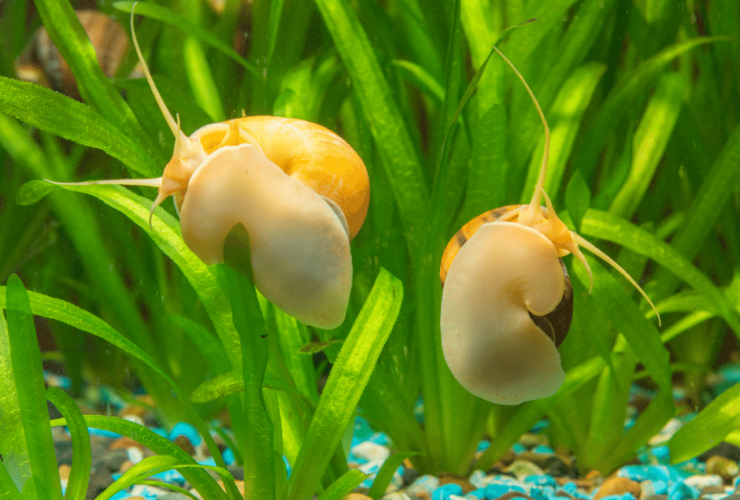
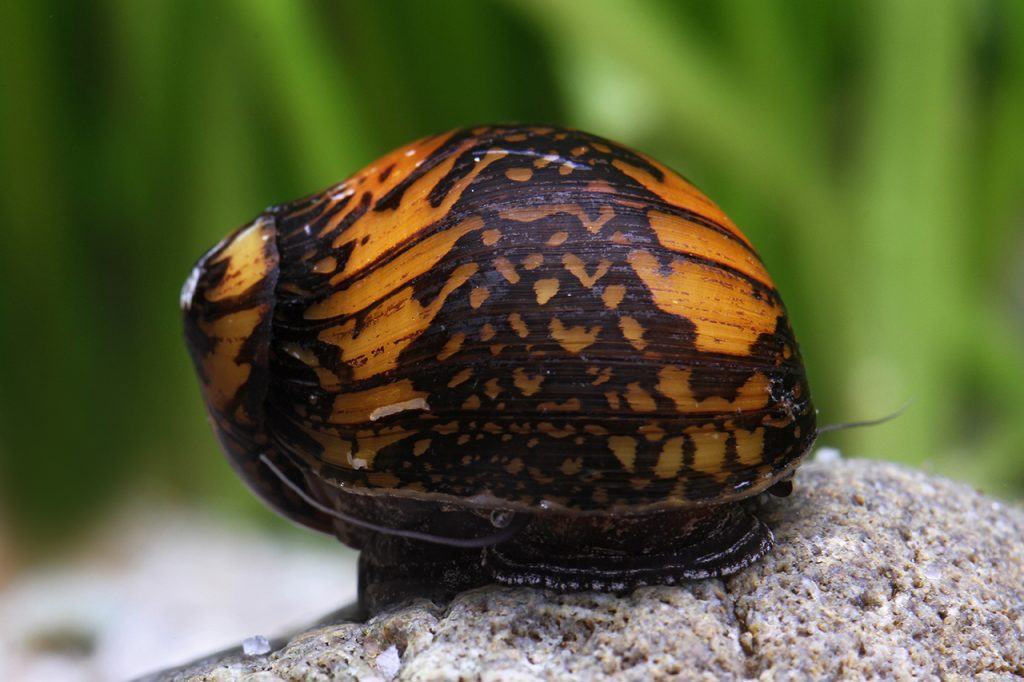
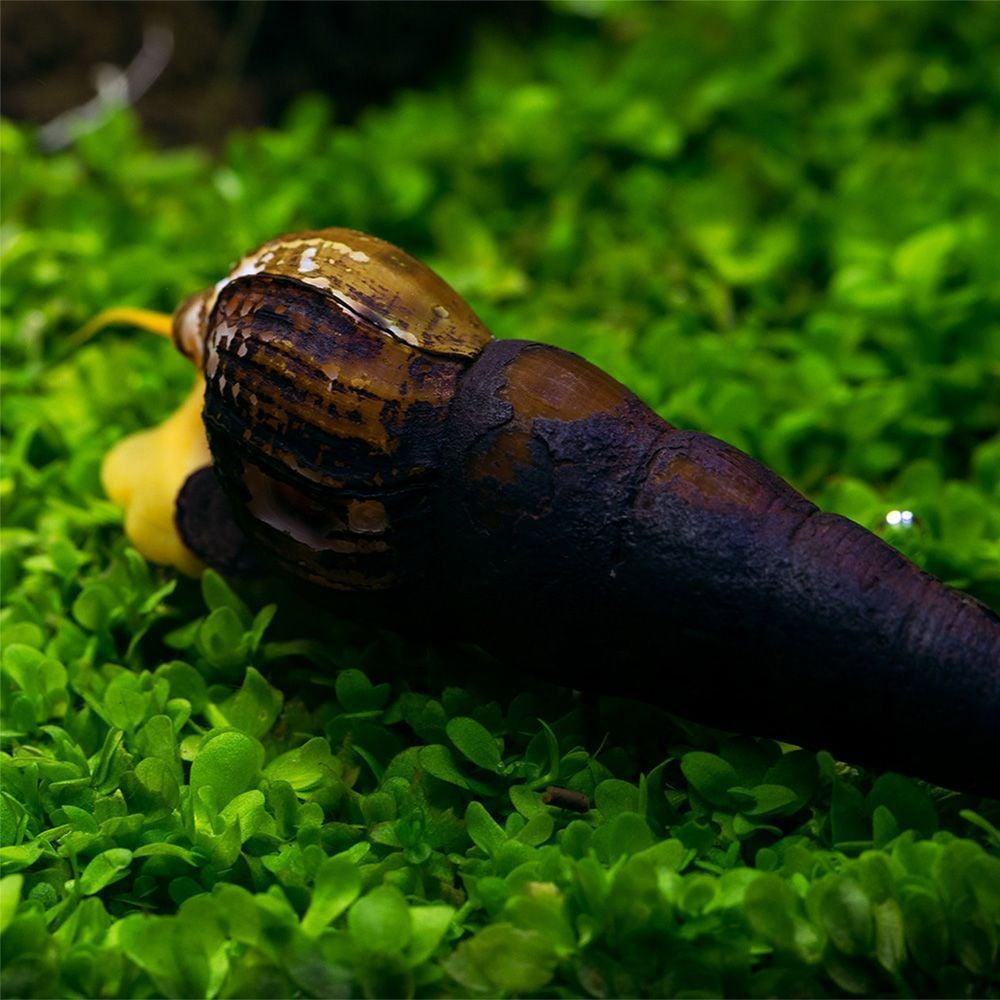
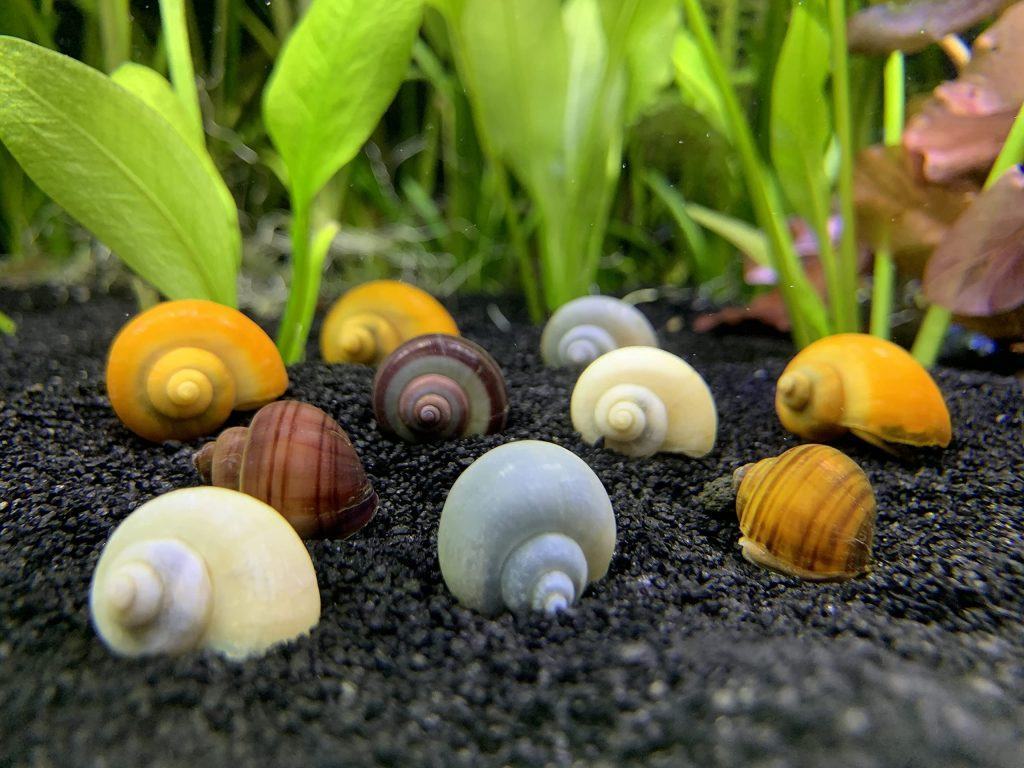
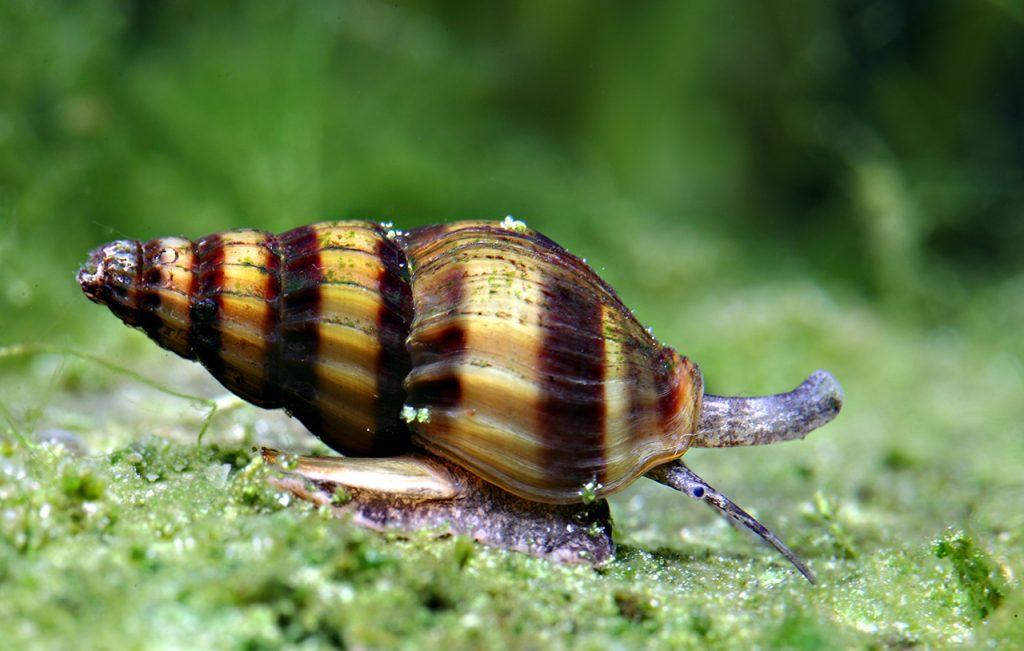
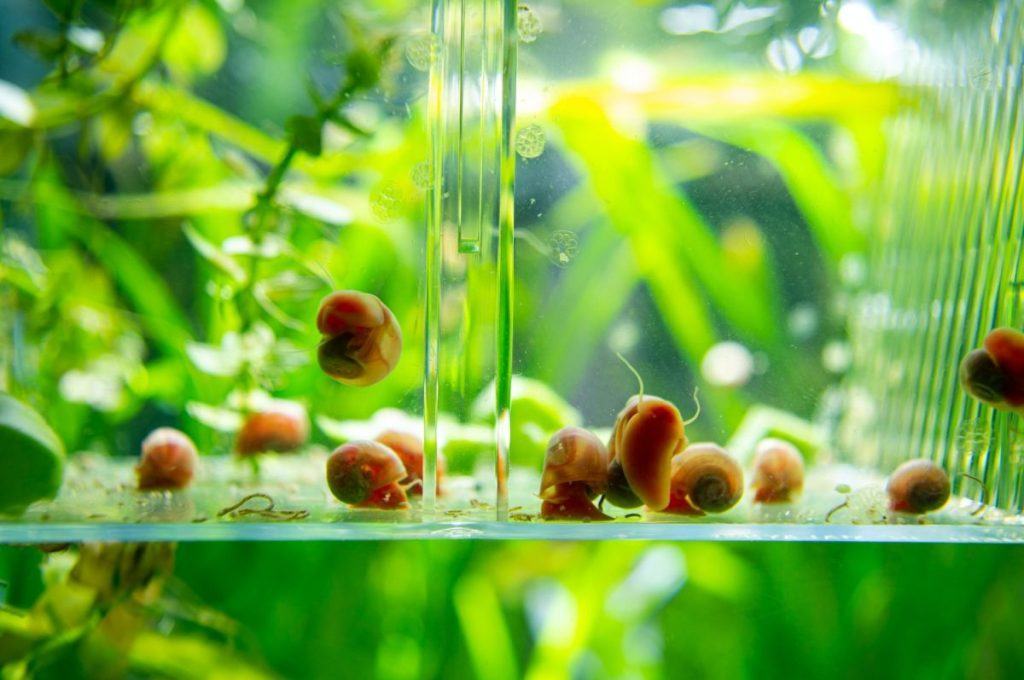
The underwater world of snails is surprisingly diverse. Some species have gills while others breathe with lungs. Hermaphroditic snails usually have lungs, while snails with lungs and gills in the tail section have separate sexes. Their size varies widely, from tiny snails measuring just 0.5 millimeters to giants reaching 10-12 cm. Many species eat algae and organic matter, but their diets differ. Notably, some snail species reproduce quickly in ornamental aquariums, while others cannot lay eggs under these conditions. If you don't want to keep snails due to overpopulation issues, there are some beautiful and beneficial snail species that do not reproduce in ornamental aquariums.
Frequently, ornamental aquariums become "infested" with snails without anyone realizing it. A common way they appear is through aquatic plants. If you look closely at the plants but don't see snails or eggs, there may be snail eggs hidden behind leaves. Some common snail species often appear unintentionally:
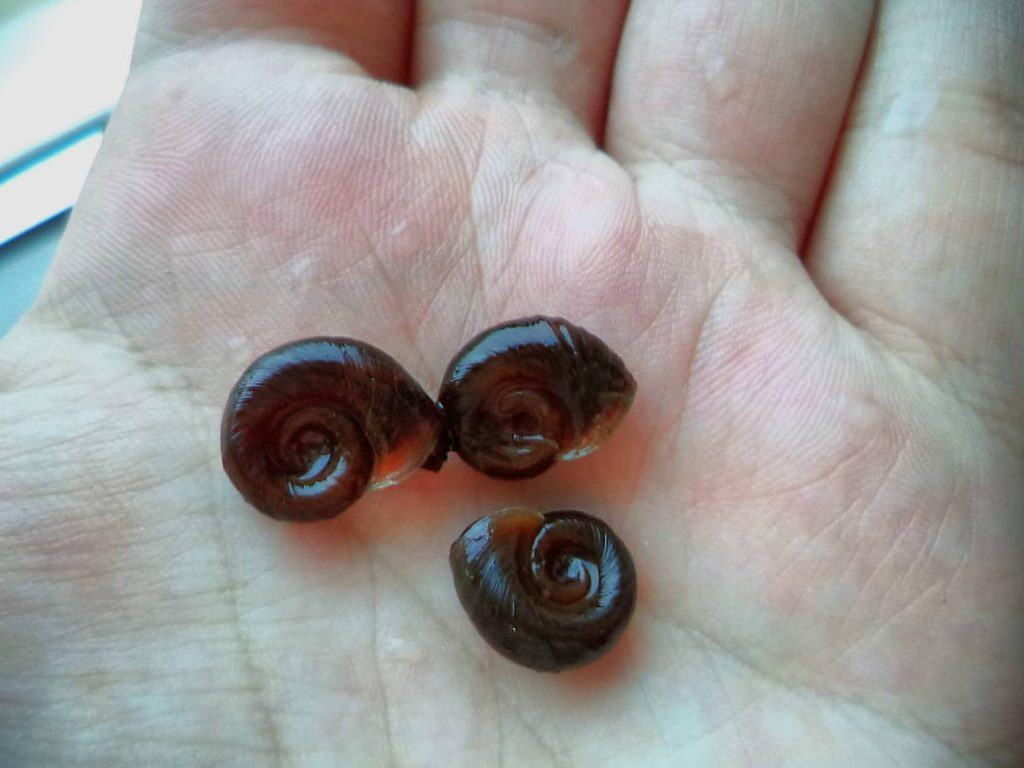
- Ramshorn snail (Helisoma nigricans)
- Bladder snail (Physella acuta)