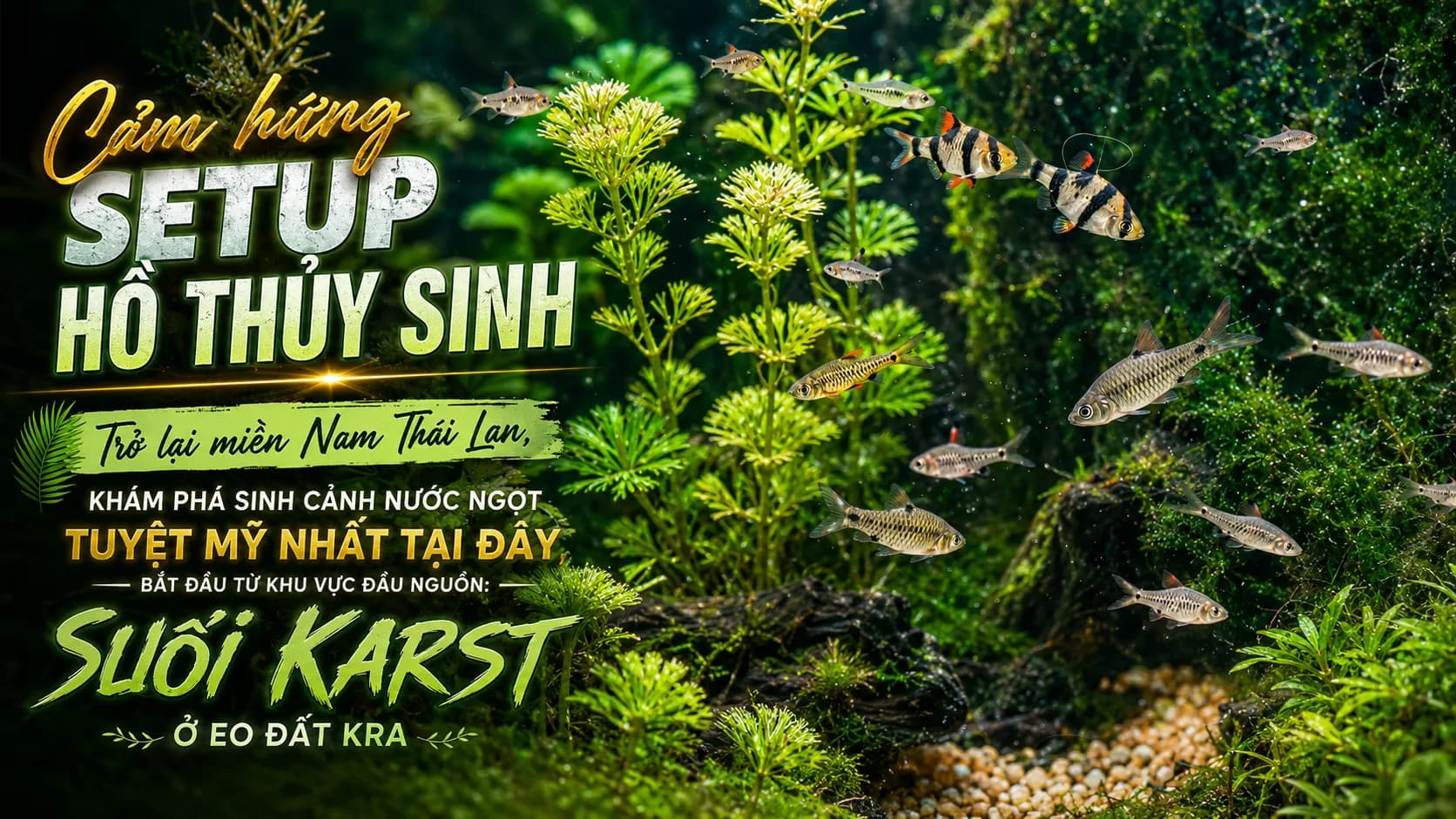
Aquascaping inspiration from Karst streams in Southern Thailand: the beauty of clear water, tree roots, and wild fish
Explore inspiration for setting up a planted aquarium from karst streams in Southern Thailand: crystal clear water, limestone, tree roots, Cryptocoryne, Java fern, and wild fish.
Inspiration for Setting Up an Aquarium from Karst Streams in Southern Thailand: When a Clear Blue Stream Becomes the Blueprint for a Home Aquarium
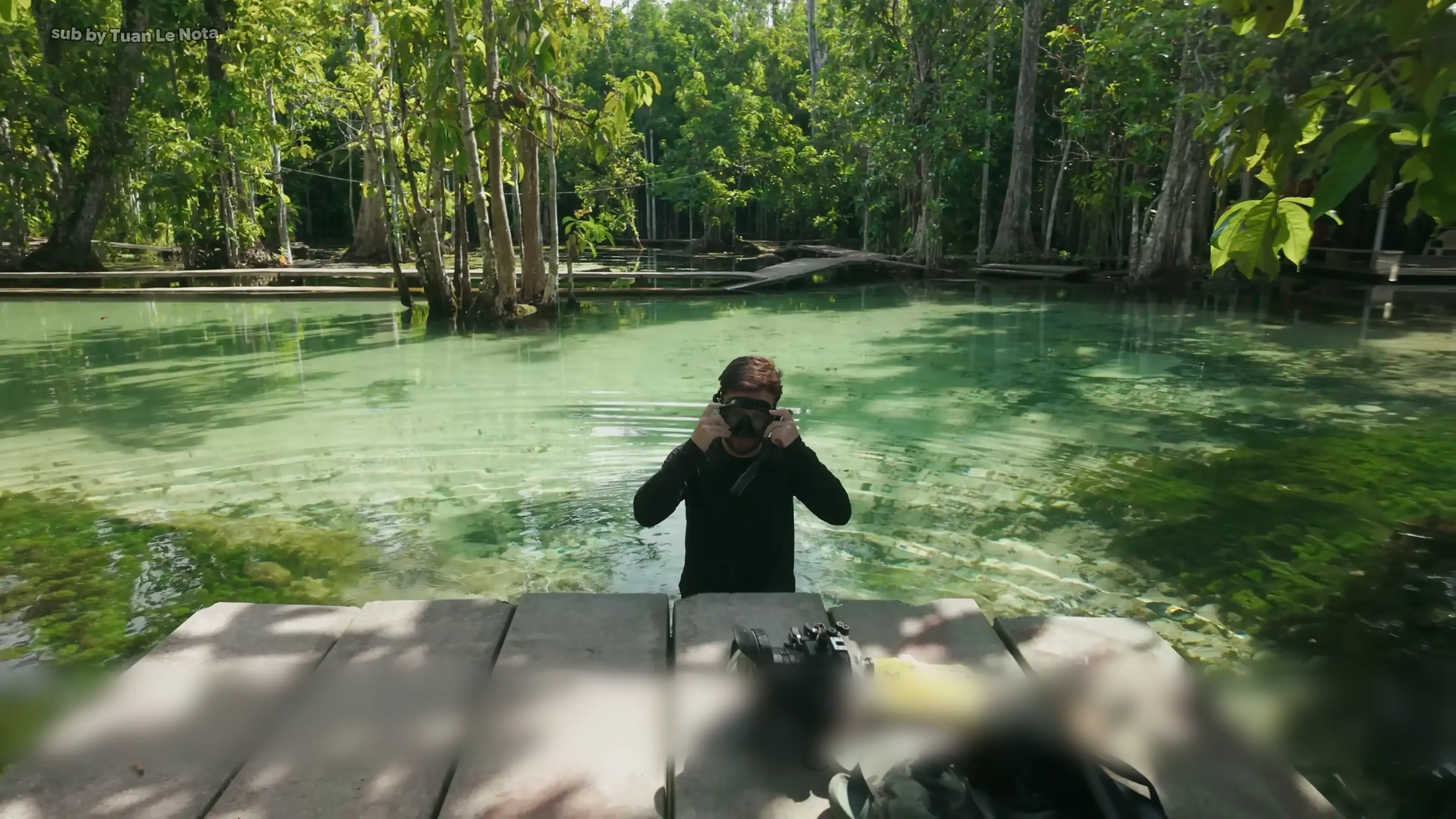
There are places that, with just one glance, make aquascapers want to rush home and redesign their tanks. Not because the place is overly flashy, but because everything in nature is arranged in a way that is both random and strangely logical: water as clear as glass, a bright sandy substrate mixed with limestone, roots hanging down along the banks, a few patches of ferns clinging firmly in the shade, and small fish darting through like silver arrows.
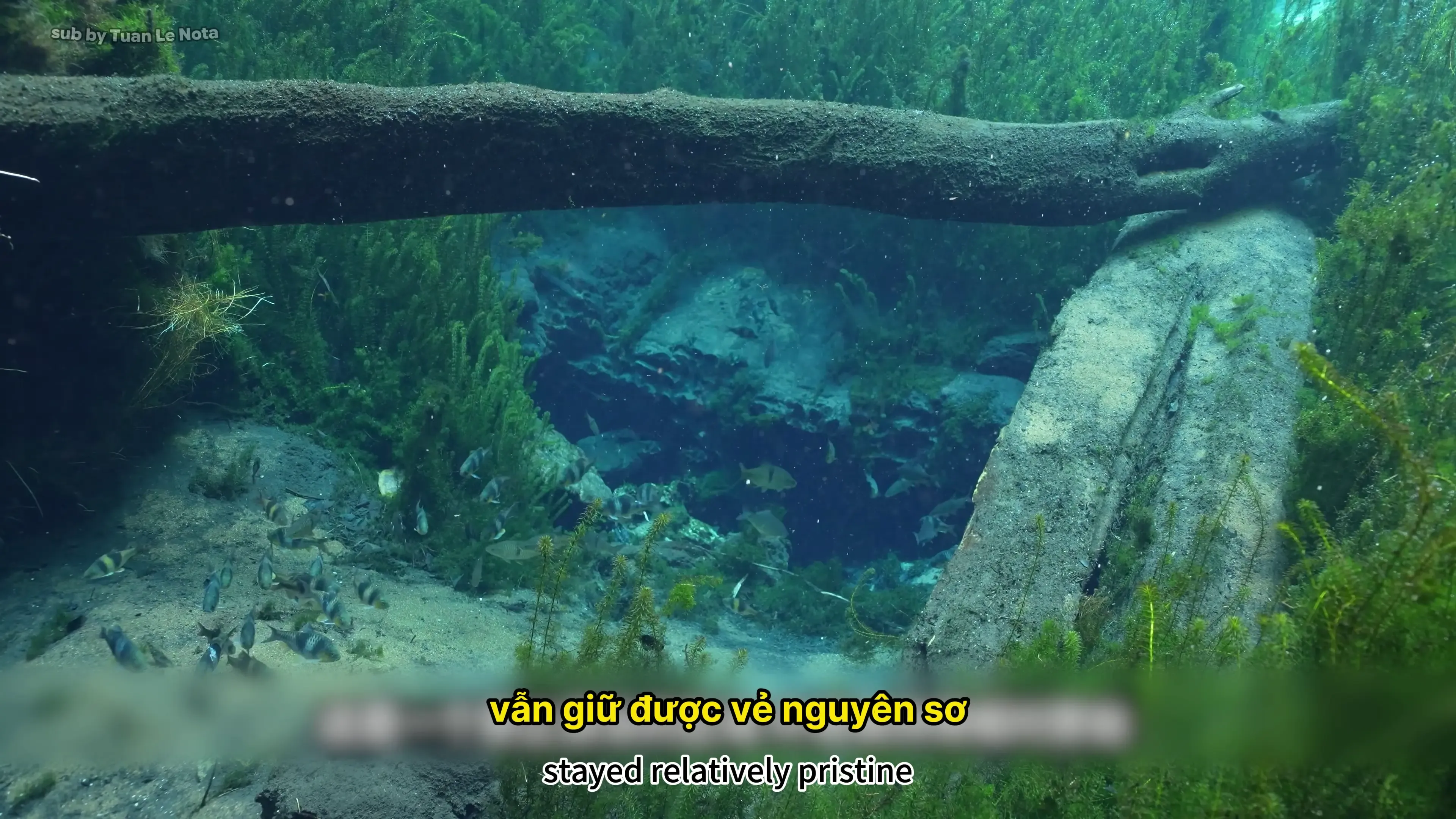
The karst streams in Southern Thailand, especially in the Kra Isthmus region, are exactly this type of habitat. It doesn't look like a neatly trimmed display aquarium where every centimeter is manicured. Nor does it resemble an overly perfect competition layout where every stone is placed at the "golden angle." The beauty here comes from a sense of living reality: flowing water, tree roots, light filtering through the forest canopy, still pools, fast-flowing sections, areas touched by tourism, and places that remain astonishingly pristine.
For aquascapers, such an observation trip is not just about watching fish. It's like opening a nature notebook, where each stream section suggests a unique way to set up an aquarium: a clear headwater tank, a root-laden bank tank, a shaded Cryptocoryne tank, a small schooling fish tank, or a 60cm tank inspired by Southeast Asian limestone streams.
What Makes Karst Streams in the Kra Isthmus So Captivating for Aquascapers?
Karst streams are habitats associated with limestone terrain. Water typically emerges from underground springs, flows over rock beds, sand, and riparian forests before forming ponds, creeks, or small streams. What catches the eye of aquascapers is the water clarity and its distinctive blue-green color, sometimes allowing you to see every pebble, root patch, and school of fish gliding through the shimmering light.
Related Posts
Comments
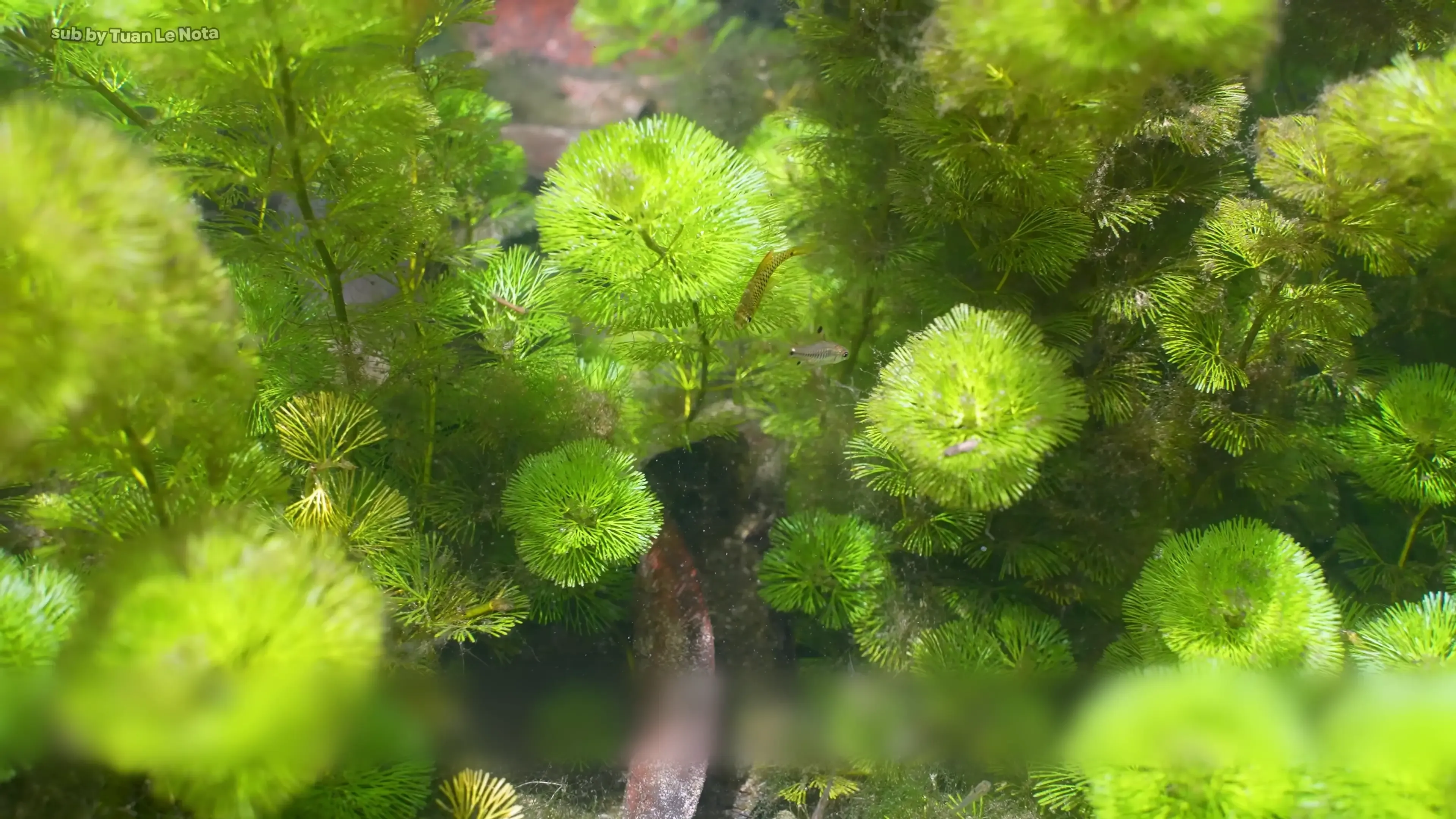
In the original content, the journey begins with stops at waterfalls, hot springs, blue pools, and downstream tributaries. Each place has a different state. Some spots have clear water, dense vegetation, and native fish appearing in layers. Others are impacted by tourism, kayak docks, artificial paths, or invasive species. Upstream sections are still shaded by forests, with cool, clear water. Downstream, light is stronger, and stem plants like Limnophila or Hydrilla burst into thick green carpets.
It is this constant change that is truly worth learning. A beautiful aquarium does not necessarily need to be packed with many plant species or expensive equipment. Sometimes, the "soul" of the tank lies in accurately mimicking a natural moment: a root bank half-submerged in water, a lightly scattered sand substrate, a few Cryptocoryne bushes nestled under driftwood shade, a school of small fish swimming with the current, and soft light filtering through as if through foliage.
First Lesson: Clear Water Is Only the Visible Part of a Balanced System
The most striking feature of karst streams in Southern Thailand is the clear water. But clear water in nature is not simply "less dirty." It is the result of stable flow, natural substrate, riparian vegetation, microorganisms, shade, and a balanced organism density in a system that has been operating for a long time.
When translating this inspiration to a home aquarium, beginners setting up a tank are easily drawn to the visual aspect: how to make the water clear quickly, how to make the light bright, how to make plants grow beautifully. But if you want to build a tank with the spirit of a karst stream, the key point is stability. The tank needs time to cycle, sufficient biological filtration to handle organic load, gentle but not stagnant water flow, and a substrate and materials that do not cause drastic fluctuations.
For a 60cm or 90cm tank, an external filter with appropriate flow rate will more easily create a "subsurface stream" feel than a harsh direct flow. In a biotope-style tank, the flow is not always strong. In many stream sections, small fish choose root zones, bank edges, or aquatic plant bushes to avoid the current, forage, and display territory. Therefore, the layout should include both open areas and hiding spots.
If using rocks that affect water hardness, especially limestone-based rocks, aquascapers need to understand that pH, KH, and GH may change over time. For a tank inspired by karst streams, this can create a more natural feel, but the choice of fish, shrimp, and plants must still match the actual water parameters in the tank. A beautiful tank is one where the inhabitants thrive, not just one that looks good in photos on the first day.
Substrate Layout: Bright Sand, Limestone, Roots, and Intentional Open Spaces
If we had to distill the essence of Southern Thailand's karst streams into an aquarium layout, we could start with four elements: a bright substrate, natural rocks, riparian roots, and open water space.
A bright sand substrate gives the tank a clear, airy feel, close to the image of a stream bed. However, the substrate does not need to be flat as a tabletop. Naturalness lies in very slight undulations, a few patches of small gravel, some clean treated leaf litter, and a few rocks placed as if washed by the current over time. When viewed from the front, the substrate should have a visual path: from the open sand area in the front, the viewer's eye gradually moves to the rock cluster, then reaches the roots or Cryptocoryne bushes in the background.
Rocks in this layout do not need to be as sharp-edged as in Iwagumi mountain-style tanks. Rocks should feel water-worn, with a mix of large and small sizes, leaving crevices for fish to swim through. If using limestone or rocks that increase hardness, choose inhabitants suitable for the stable water parameters. For easier control, aquascapers can use inert rocks or decorative stones with natural surfaces, then recreate the karst color with sand, light, and layout.
Driftwood is what gives the tank its soul. In real habitats, riparian roots do not sit neatly like decorations; they hang down, intertwine, create shade, trap leaf litter, harbor microorganisms, and serve as hiding places for small fish. When setting up the tank, branched roots, root-like driftwood, or leaning driftwood will be more suitable than overly symmetrical pieces. A cluster of roots placed off to one side can create the feeling of looking at the edge of a stream where clear water flows under the forest canopy.
Aquatic Plants: Most Beautiful When They Look Like They Naturally Belong There
An interesting point in this habitat is that plants do not grow in a "garden style" but according to light conditions, flow, and substrate. In shaded areas, plant groups like Cryptocoryne and Java fern feel very fitting. They do not need to be flashy, but they create depth. A bush of Cryptocoryne cordata, Cryptocoryne wendtii, or other brown or dark green crypt varieties can make the foreground and midground look much more natural.
Java fern attached to driftwood or rocks will suit submerged root zones. As leaves age, the fern bush takes on a slightly wild look, very close to the feel of a forest stream. Aquatic moss can also be used, but sparingly. A little moss on rocks or driftwood bases will look better than covering the entire layout, because natural karst streams are often appealing due to their clarity and open spaces.
In brighter downstream sections, stem plants like Limnophila sessiliflora, Hygrophila corymbosa "Siamensis," or Hydrilla suggest a denser green tank version. This style suits those who prefer natural layouts with large plant bushes and small fish schooling in light gaps. For low-tech setups, choose moderate plant density, medium light, and be patient with plant growth rates. For high-tech setups with CO2, the layout will green up faster, but pruning needs to be consistent to maintain the forest stream feel.
An easy suggestion for a 60cm tank is to layer plants: foreground with open sand and few low plants; midground with crypts, moss, or small ferns; background with Hygrophila or Limnophila in soft clusters. Overall, the tank will feel like "moving from the stream bed to the bank vegetation," rather than just a flat green patch.
Fish in the Habitat: Movement Is What Brings the Tank to Life
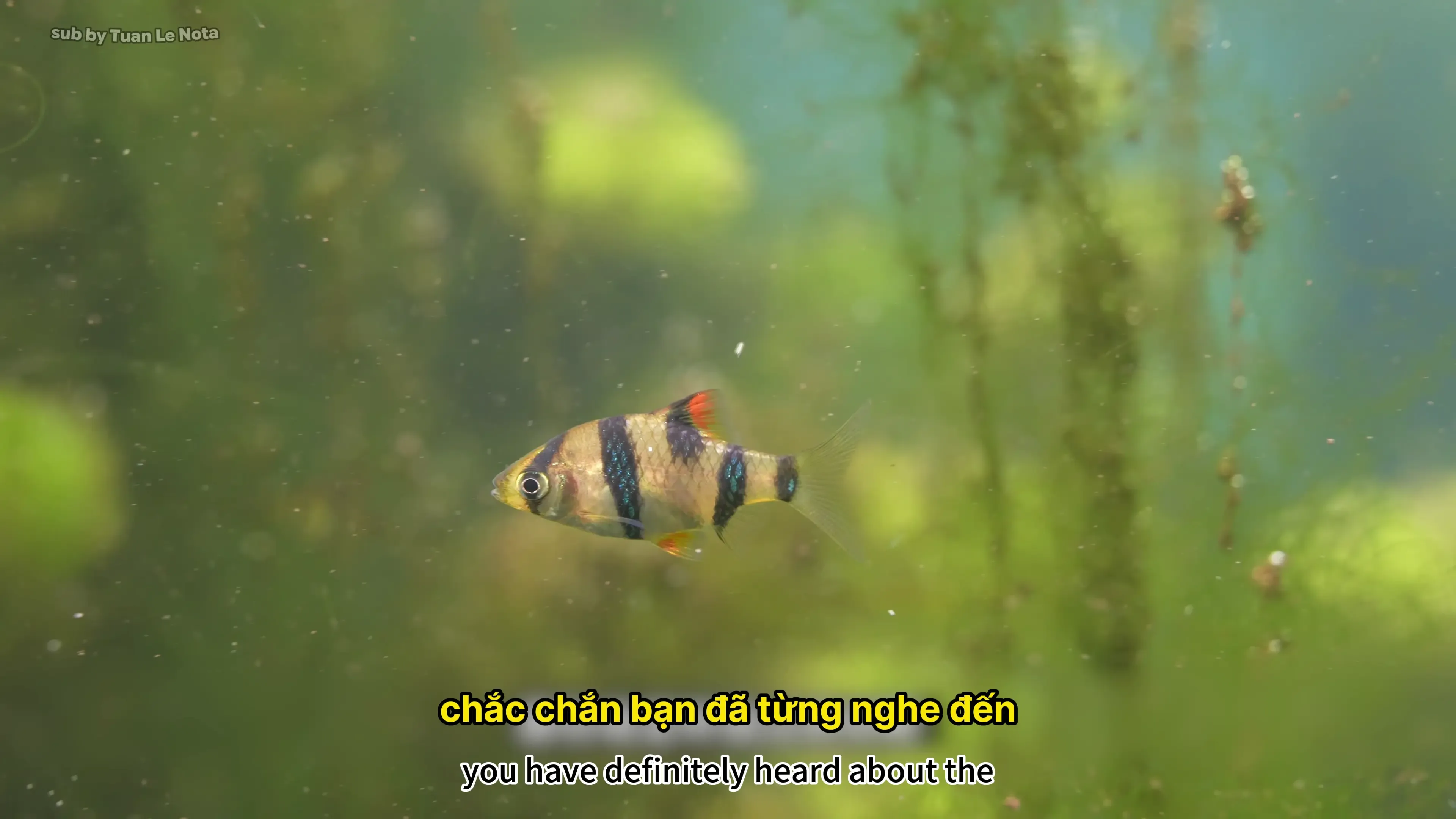
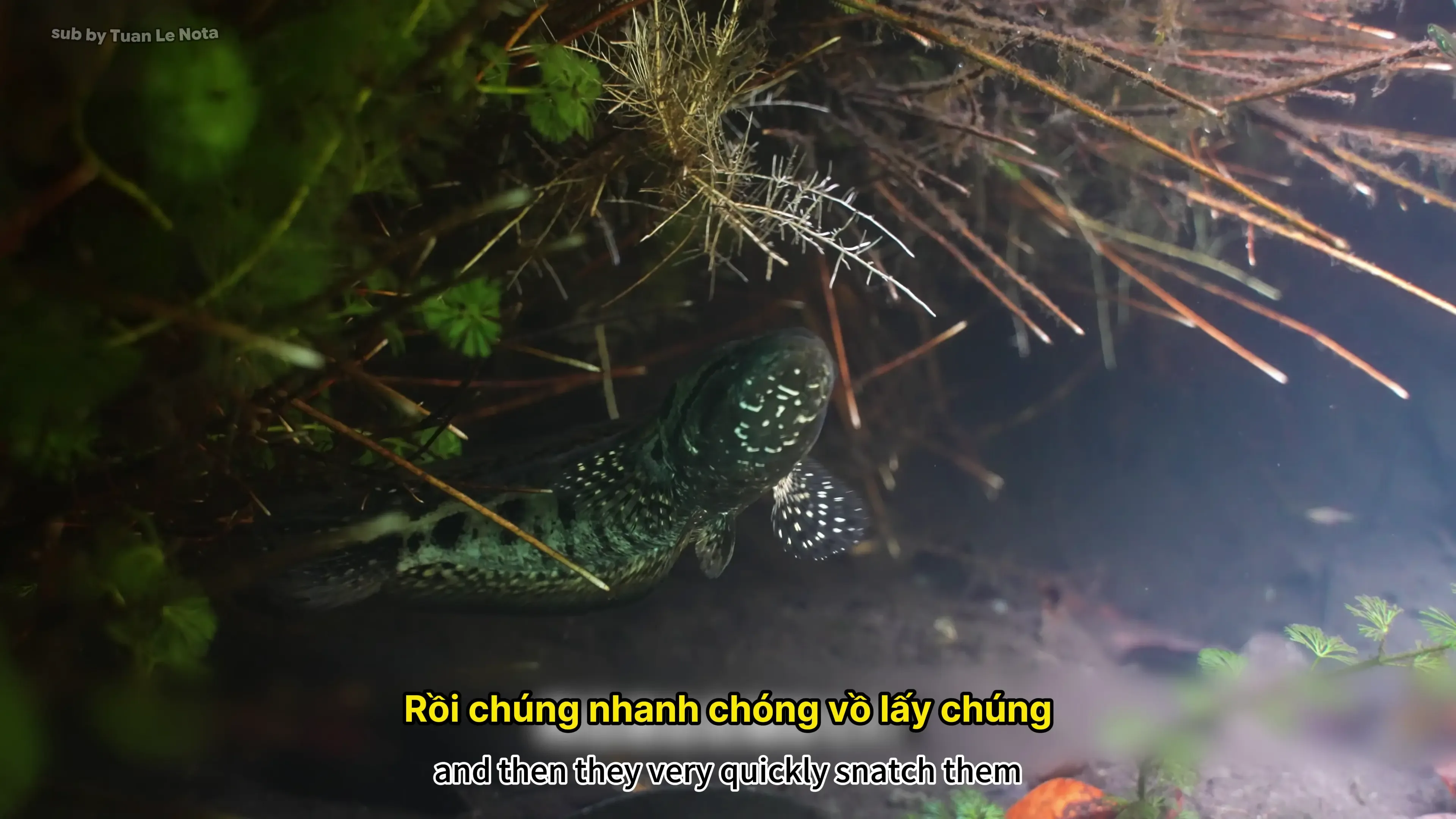
The original content mentions many characteristic fish and organisms of the region: Betta simplex, dwarf tiger barb Puntigrus partipentazona, danios living in flowing water, rasboras, leaf fish Nandus nebulosus, halfbeaks at the surface, snakeheads, knife fish, small catfish, shrimp, and snails. For aquascapers, the valuable lesson is not just the species names, but how each fish group uses the space.
The surface layer often has insect-watching species, swimming close to the water surface, with slender bodies and very fast reactions. The middle layer has small schooling fish that change direction continuously with the current. Dense plant areas are where dwarf tiger barbs, rasboras, or juvenile fish find shelter. Dark root zones are for shy, ambush, or territorial species. The bottom has algae grazers, feeding on rock, wood, and biofilm surfaces.
When applying this to a home tank, aquascapers can choose fish based on visual roles rather than trying to gather many species. A school of small midwater fish, a few surface fish, plus a group of suitable shrimp or snails is enough to give the tank rhythm. For small tanks, moderate density will help water stability, allow fish to swim naturally, and give the layout breathing space.
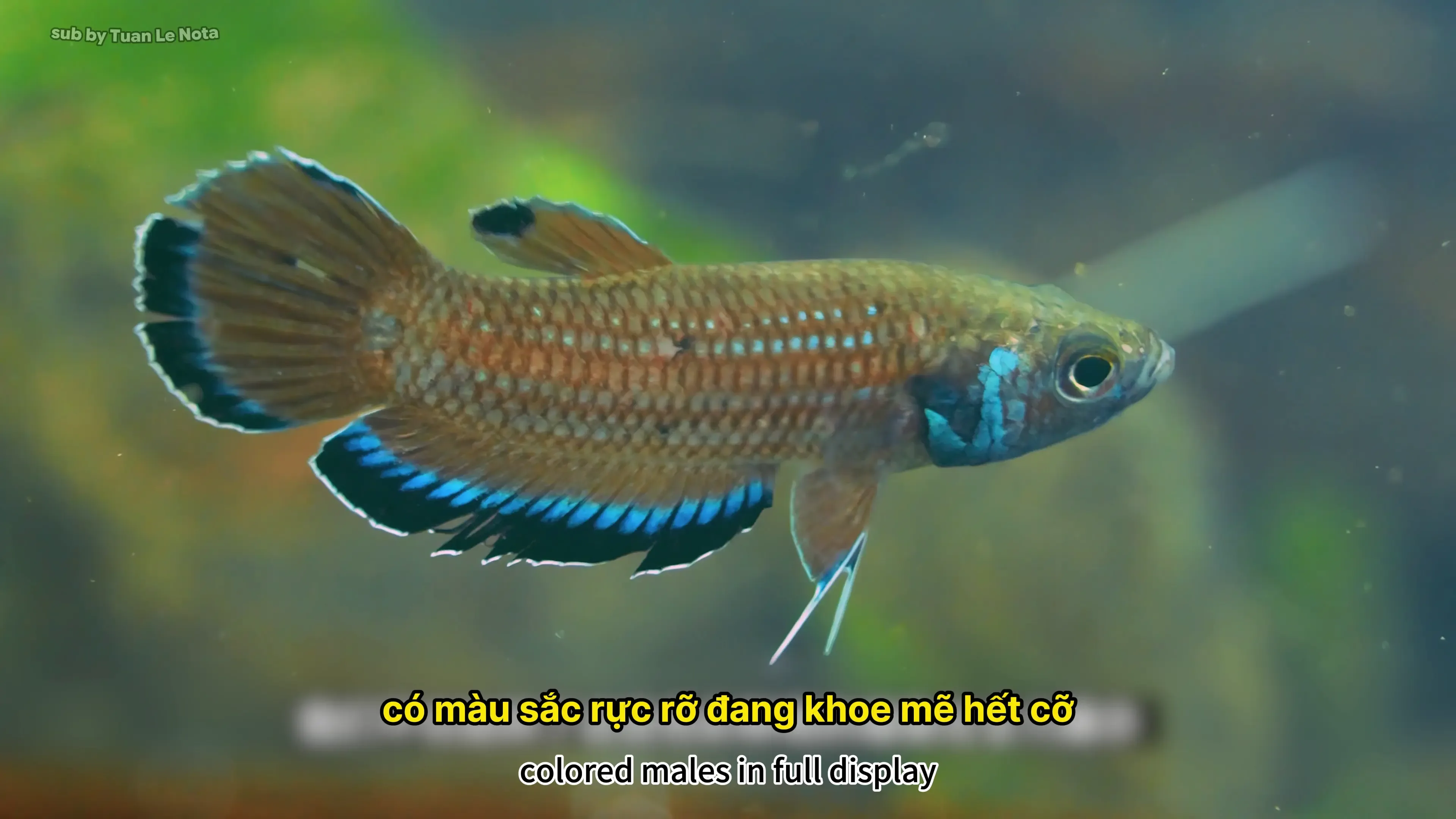
Betta simplex is a very special species because it is associated with karst habitats in Krabi and has mouthbrooding behavior in males. Their beauty lies not in long fins like domesticated bettas, but in their restrained colors, blue iridescence on the gill covers, territorial behavior, and how they disappear among dark root zones. For a tank inspired by Betta simplex, the most important spirit is calm water, roots, shade, many hiding spots, and respect for the original habitat. Aquascapers can recreate this feeling with more suitable commercially bred fish lines, rather than turning a narrowly distributed species into a trend-driven collection target.
Suggested Setup for a 60cm Tank Inspired by Southern Thailand's Karst Streams
A 60cm tank is a nice size to build a "karst stream edge" version. The space is enough for depth but still easy to maintain for home aquascapers. The overall idea is a root bank leaning left or right, with a bright sand substrate in front, a few rock clusters in the middle, and background stem plants and crypts forming a transition zone.
For hardware, the tank can use a small to medium external filter, with the outflow adjusted for gentle surface movement. A surface skimmer will be useful if the water surface often has oil film or thick biofilm, especially in tanks with lots of driftwood, leaf litter, or fresh food. WRGB lights help bring out the green of plants, brown of driftwood, and silver of fish, but intensity should match plant mass, CO2, and maintenance schedule. Low-CO2 tanks can still be beautiful if the layout leans towards crypts, ferns, moss, and easy stem plants.
The layout can follow a soft formula: a root driftwood cluster creating shade on one side, small rocks scattered from the driftwood base onto the sand, crypts placed around the driftwood base, ferns tied to higher areas, and background Hygrophila or Limnophila for a soft green layer. Keep an open sand area in front for fish to swim and for viewers to see the tank's "clarity."
For inhabitants, prioritize small, peaceful, schooling fish that match actual water parameters. Rasboras, small danios, some peaceful barbs, or suitable surface fish can create beautiful movement. Ornamental shrimp should only be added when the tank is stable, with no strong shrimp-predator fish, and water parameters suitable for the chosen shrimp species. Snails can help clean leftover food and biofilm, but their numbers should match the food input and the tank's control capacity.
Light and Water Color: The Secret to Creating a Flooded Forest Feel
Karst streams are beautiful not only because of the blue water. They are beautiful because of the light. Some sections have direct sunlight making plants grow densely, while others have closed forest canopies turning the water dark blue. In an aquarium, light should also have such a rhythm.
Instead of evenly lighting the entire tank, leave a bright open area in the front or middle, while the root zone is slightly darker. This helps fish feel confident to swim in and out, while creating depth in the layout. If using strong lights, lighting duration and nutrients must go hand in hand to avoid imbalance. For a new tank, moderate light in the initial phase will be easier to control.
The water color can be kept completely clear, or slightly tea-tinted if using dried leaves, driftwood, and natural materials. With a karst theme, water that is too dark will lose the clear blue-green feel of limestone, but a slight warm tint from driftwood makes the tank feel closer to a forest stream. The important thing is that the water is stable, not persistently cloudy, has no strange odor, and the creatures still eat, swim, and breathe normally.
Nature Reminds Aquascapers of Responsibility
A memorable part of the journey is the image of invasive species appearing in places that should belong to native fish. Guppies were once released in many tropical regions to control mosquito larvae. Tilapia also appear in many freshwater systems outside their native range due to farming and dispersal. For aquarium hobbyists, this story is very close: just one bag of fish released in the wrong place, a handful of trimmings floating into a canal, or a few snails washed out with drained water can start a long-term problem.
Aquascaping is a beautiful hobby because it teaches us to observe a miniature ecosystem. But precisely because it is a miniature ecosystem, everything in the tank must be kept within its boundaries. Trimmings can be dried and disposed of properly. Fish, shrimp, and snails that can no longer be kept should be transferred to someone who can care for them, a familiar store, or a suitable group. Tank water should be treated carefully if the tank contains foreign organisms, snail eggs, plant seeds, or treatment chemicals.
The most beautiful aquascape is not just one with good coloration, thriving plants, and healthy fish. It is also one that makes the hobbyist understand that nature outside is more fragile than we think. The crystal-clear karst streams in southern Thailand are not an endless backdrop for human exploitation. They are home to many species of fish, plants, shrimp, crabs, snails, and tiny microorganisms, some of which are only found in a few very narrow water areas.
From a Trip to a Tank with a Soul
The best thing about drawing inspiration from real biotopes is that the hobbyist stops chasing formulas. We start looking at the tank differently: where the water flows, where the fish will hide, how the light falls, which plants suit the root zone, which empty spaces help the composition breathe. An aquascape then is no longer a place to fill with expensive equipment and plants, but becomes a small slice of nature.
The karst streams on the Kra Isthmus suggest a setup style worth trying: clear, with shade, with tree roots, with a bright sand substrate, with rocks, and with the movement of small fish. It is not overly elaborate, but the longer you look, the more layers you see. The first layer is the beauty of the water. The second layer is the composition of rocks, wood, and plants. The deeper layer is the story of the biotope, native species, tourism, invasives, and the hobbyist's responsibility.
If you have an empty 60cm tank, or an old tank you want to redo, try starting from a very simple image: a clear blue-green stream flowing out of limestone bedrock, with a forest canopy above, bright sand below, and tree roots submerged in the shade. Just keep that spirit, and your tank will already have its own story.
And sometimes, that is what makes an aquascape memorable: not because it looks like a perfect competition photo, but because it makes the viewer feel like they are bending down by the edge of a stream, looking into a small world breathing softly beneath the water's surface.