Aquatic plants with yellowing, rotting leaves – Causes and effective rescue methods
Aquatic plants are one of the most beloved types of plants for decorating living spaces and beautifying aquariums. However, during the cultivation process, many people encounter issues such as yellowing leaves and rotting roots.
Aquatic plants are one of the most beloved types of plants for decorating living spaces and beautifying aquariums. However, during cultivation, many people encounter the issue of plants developing yellow leaves and rotting. This condition not only affects the aesthetic of the space but also indicates a decline in the plant's health. The causes of this issue are often diverse and closely related to care methods, living environment, and nutritional regimen. In this article, we will explore the 5 main causes of yellowing and rotting leaves in aquatic plants and effective remedies.
Cause 1: Lack of Oxygen in the Water
Lack of oxygen in the water is one of the leading causes of yellowing and rotting leaves in aquatic plants. When the concentration of dissolved oxygen in the water decreases, plant roots cannot respire properly, leading to root rot, which affects the health of the entire plant.
The aquatic water environment needs a sufficient amount of dissolved oxygen for plants to perform photosynthesis and respiration. Oxygen deficiency can occur due to various reasons, including:
Irregular water changes: When the water in the tank becomes dirty or is not changed regularly, oxygen concentration tends to decrease. The microbial system in the water will also struggle to function effectively without sufficient oxygen.
Stagnation: Water that is stagnant, without flow, leads to slow and inefficient decomposition of organic matter. This creates an oxygen-deficient environment for plants.
Too many fish or livestock in the tank: When fish density in the tank is high, oxygen consumption increases, leading to oxygen deficiency in the water.
To improve this situation, you can apply measures such as:
Related Posts
Comments
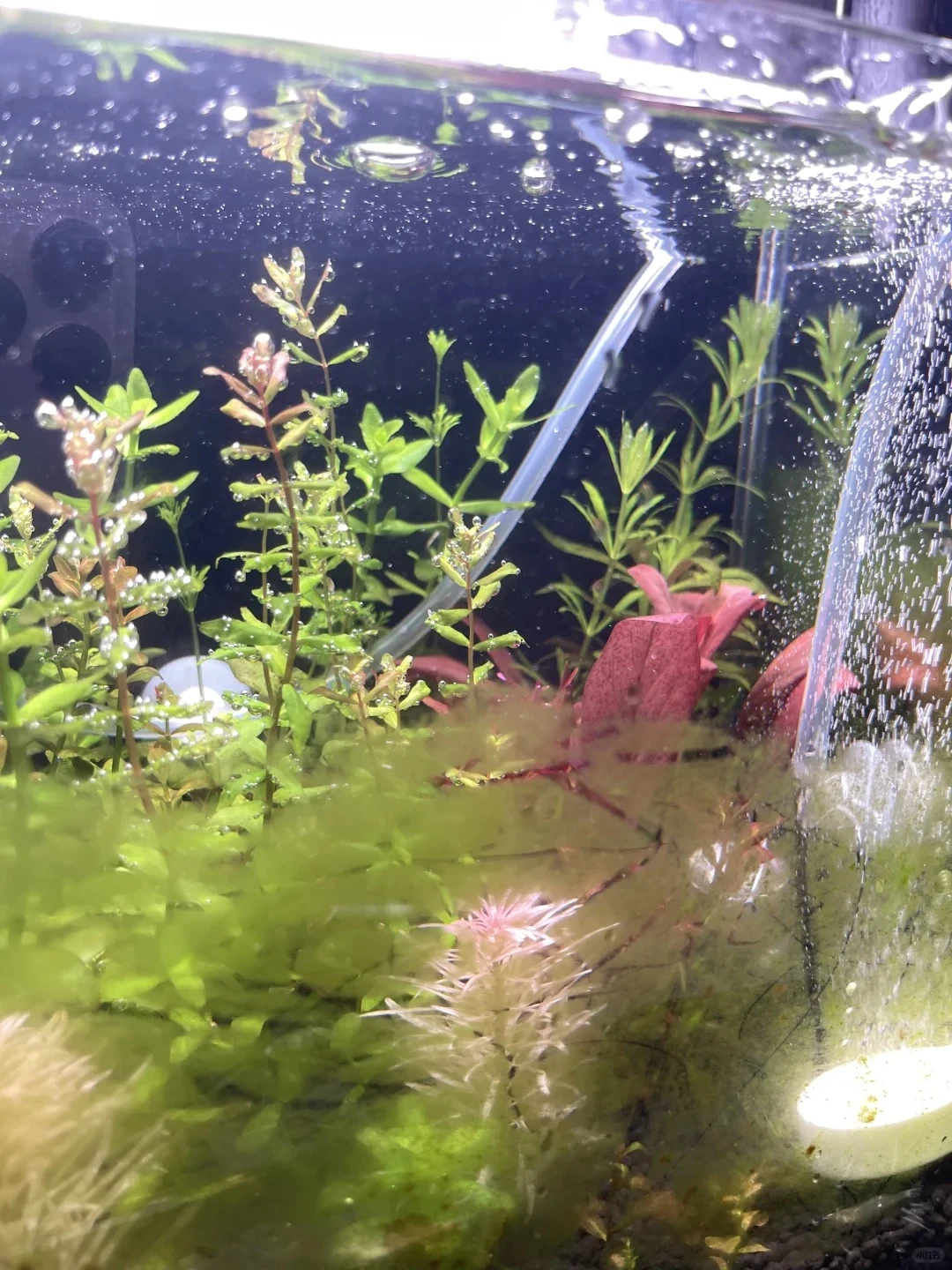
Using an air pump: An air pump helps effectively supply dissolved oxygen into the water.
Regular water changes: Changing water not only improves water cleanliness but also provides a new supply of oxygen for the plants.
Adding beneficial microorganisms: Using beneficial microorganisms helps improve water quality and enhance oxygen exchange capacity.
Although improving oxygen levels in the water is quite simple, it can make a significant difference to the health of the aquatic plants in your tank. With proper care, you will see the leaves return to a vibrant green color along with stronger, more resilient growth.
Cause 2: Excessive Nutrients
Excessive nutrients are also a major cause of yellowing and rotting leaves in aquatic plants. When the soil and water environment is overly rich in nutrients, plants can suffer from nutrient shock, causing leaves to turn yellow and potentially fall off.
This condition often occurs in the following cases:
Improper fertilization: Using chemical fertilizers without specific monitoring of content can easily lead to plant toxicity. Too much nitrogen can also cause plants to grow quickly but become weaker, making them more susceptible to disease.
Poor control of water and nutrients: When the tank contains too much organic matter, such as excess fish waste, it leads to alarmingly high nutrient concentrations.
Too many plants in a small tank: This leads to intense competition for nutrients among plants, causing some to become stronger while others weaken.
To address this concerning issue, you can apply some measures such as:
Stop fertilizing for a short period: To allow the plants to recover and return to a balanced state.
Water change: This step is crucial for reducing nutrient concentration in the water.
Monitor fertilizer amounts: Each plant type requires a different nutrient ratio, so recording and monitoring is essential.
Maintaining a reasonable nutritional regimen will help aquatic plants stay healthy, grow well, and minimize the risk of disease or yellowing leaves.
Cause 3: Unsuitable Water Temperature
Unsuitable water temperature also significantly affects the health of aquatic plants. Each type of aquatic plant has its own optimal temperature range. If the water temperature exceeds this range or is too low, the plant will begin to struggle with growth.
If the water temperature in the tank is too high, the plant will suffer from heat stress, hindering the photosynthesis process and leading to yellowing leaves. Conversely, if the temperature is too low, the plant's growth will also slow down, while increasing the risk of disease.
Some ways to control water temperature include:
Regular checking: Investing in a temperature measuring device will help you maintain the water at a stable level.
Place the tank in a cool location: Avoid direct sunlight shining on the tank, as this will help keep the water temperature at a safe level.
Using fans or cooling systems: If the temperature is too high, you can use fans or even a water chiller to adjust it.
Monitor pH and TDS: Water toxins and other dissolved substances can affect plant health. Perform regular checks to identify and adjust.
By effectively controlling the temperature in the tank, you can help aquatic plants grow healthily and avoid the unfortunate condition of yellowing leaves.
Cause 4: Harmful Fungi and Bacteria
Fungi and bacteria are also among the main causes of harm to aquatic plants, especially in situations where plants are already weakened due to nutrient deficiency, lack of light, or stress. These diseases can occur very quickly and spread throughout the entire plant if not controlled promptly.
Symptoms of diseases caused by fungi and bacteria often include:
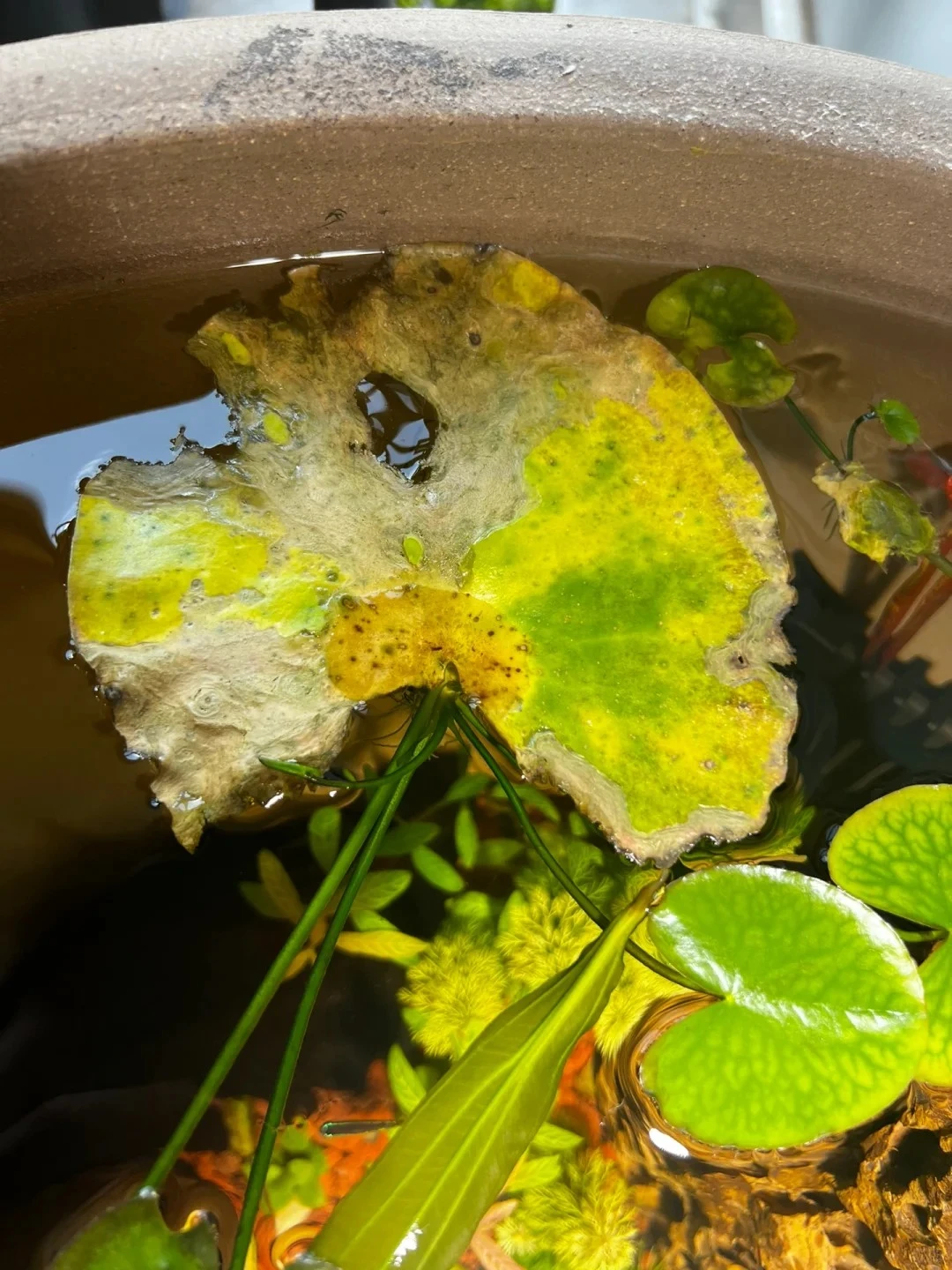
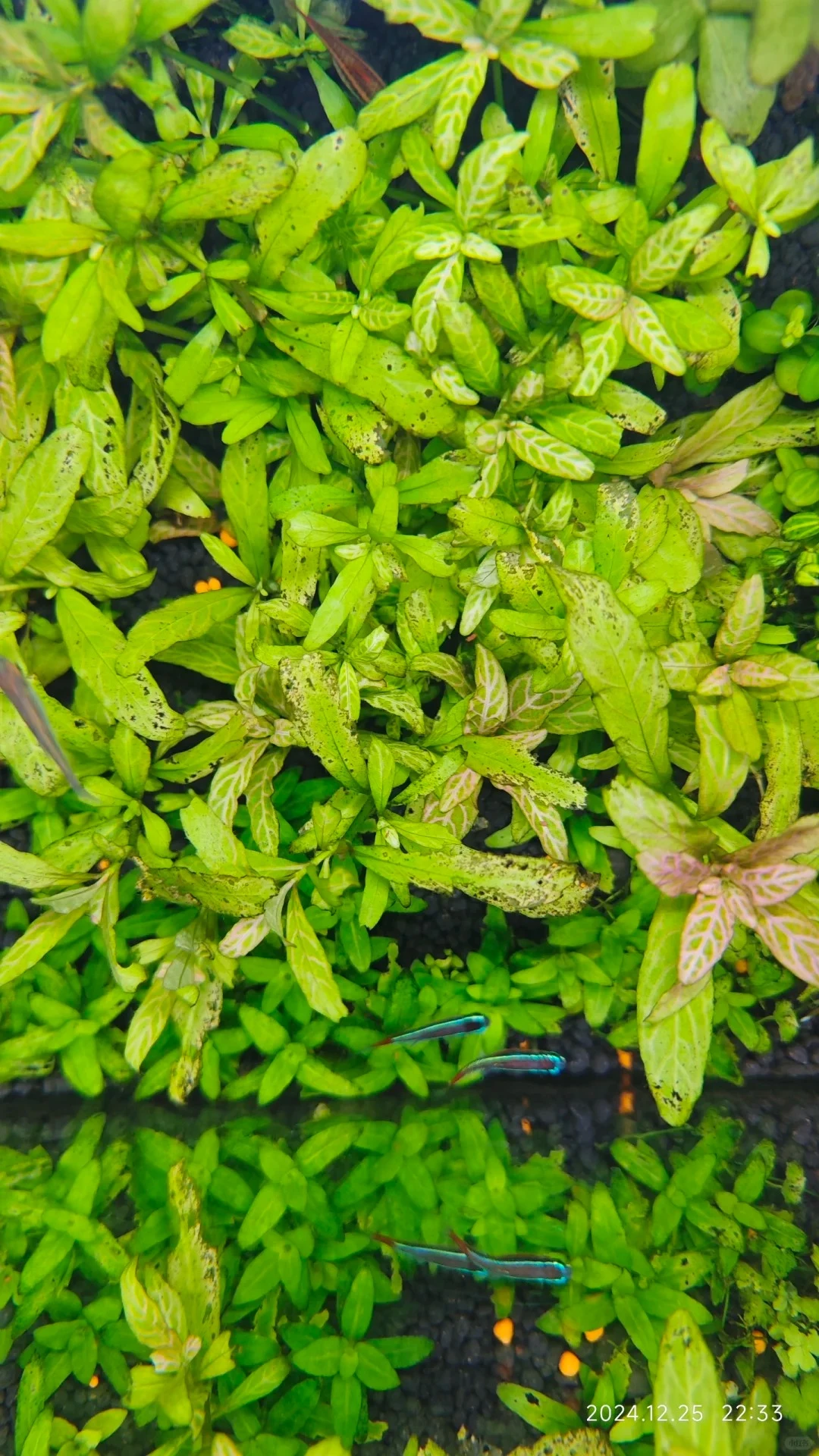
Yellowing and rotting leaves: Starting from the leaf stem, this condition will spread if no treatment measures are taken.
Foul odor from the water: Another sign of fungal and bacterial growth is a foul, rotten smell emanating from the tank.
Growth of white fungal patches: Fungi often have a noticeable appearance, such as white edges around parts of the plant.
To treat harmful fungi and bacteria, you can apply some of the following measures:
Regular water changes: Changing water not only improves the air in the tank but also removes disease-causing agents.
Using specialized medication: Products like Cidex 14 or antifungal medication help eliminate harmful fungi and bacteria.
Cutting off damaged plant parts: This aims to prevent the spread of the disease and preserve healthy living parts.
Increasing light and nutrients: Providing sufficient light and nutrients helps strengthen the plant's resistance, thereby fighting diseases more effectively.
Timely treatment will help protect aquatic plants from the adverse effects of fungi and bacteria, ensuring the plants develop as well as possible.
Cause 5: Environmental Stress-Related Diseases
Environmental stress-related diseases are a cause that cannot be overlooked when discussing the issue of yellowing and rotting leaves in aquatic plants. When aquatic plants do not have a favorable and stable living environment, their health declines significantly.
Specifically, some negative factors from the living environment that can be mentioned include:
Lack of oxygen in the water: When oxygen concentration in the water is low, plant roots cannot respire effectively, leading to root rot and yellowing leaves.
Water pollution: Dirty water due to waste or bacterial growth can reduce water quality, harming plants.
Sudden change in living environment: When you introduce a new tank or change water multiple times without gradual adjustment, plants are prone to environmental shock.
To remedy environmental stress-related diseases, you can implement measures such as:
Improving oxygen in the water: Using an air pump and regular water changes to ensure dissolved oxygen is always sufficient.
Controlling water pollution: Ensure the water in the tank is always clean by changing it regularly and cleaning the aquarium frequently.
Providing a stable environment: Minimize sudden changes in temperature, light, or chemical composition in the water.
The above article provides an overview of the causes of yellowing and rotting in aquatic plants, thereby helping you have appropriate preventive and treatment measures to protect the aquatic plants in your tank.
Remedy 1: Improve Oxygen in the Water
Improving oxygen levels in the water is one of the important measures to remedy aquatic plants with yellowing and rotting leaves. To achieve this, you can deploy various methods to increase dissolved oxygen in the water. Below are some effective methods:
Air pump: Using an air pump is the simplest and most effective way to supply oxygen to the water. This device creates small air bubbles, helping oxygen dissolve quickly into the water.
Air stone: In addition to an air pump, using an air stone is also very useful. They have a similar effect to air pumps but are often lower in cost and easier to install.
Regular water changes: To improve oxygen conditions, regular water changes are essential. New water entering will bring fresh oxygen while cleaning accumulated dirt in the tank.
Adding other aquatic plants: Some plant types have the ability to produce oxygen during photosynthesis. You can consider planting some additional aquatic plants in the tank.
Creating water movement: Using a water pump to create a gentle flow not only helps increase oxygen but also aids in distributing nutrients to each plant.
These measures ensure dissolved oxygen levels serve the respiration of plant roots. Combining the above approaches will help enhance the living environment for your aquatic plants, bringing them back to vibrant vitality.
Remedy 2: Adjust Nutrient Levels
Adjusting nutrient levels is one of the very important solutions to remedy aquatic plants with yellowing and rotting leaves. In an aquatic environment, maintaining a reasonable level of nutrients is necessary to help plants grow well and avoid nutrient overload.
Some notes for adjusting nutrient levels include:
Regular monitoring: Use a test kit to monitor nutrient concentrations in the water such as Nitrogen, Phosphate, and Potassium. Based on these results, you can adjust the amount of fertilizer in the tank.
Choose quality liquid fertilizer: If you use liquid fertilizer, choose an "all in one" type to ensure plants receive all necessary vitamins and minerals.
Temporarily stop fertilizing: When plants show signs of nutrient shock, you should stop fertilizing for a period to allow the plants to recover.
Provide beneficial microorganisms: Adding beneficial microorganisms helps improve nutrient solubility while keeping the water environment in good condition.
Change water frequently: This is an effective method to control nutrient concentration in the tank, thereby helping plants recover quickly.
Controlling nutrients not only helps plants return to a healthy state but also prevents the growth of harmful algae, ensuring a better habitat for the ecosystem in the tank.
Remedy 3: Control Water Temperature
Controlling water temperature is a very necessary solution to remedy the condition of aquatic plants with yellowing and rotting leaves. Because each type of aquatic plant has an optimal temperature range, maintaining a stable temperature in the tank can prevent stress for the plants.
To control water temperature effectively, you can implement the following measures:
Use a temperature measurement kit: Placing temperature measurement devices in the tank helps you understand the current temperature, allowing you to adjust it appropriately.
Maintain a temperature from 22 to 28 degrees Celsius: This is the ideal temperature range for most aquatic plants. If the tank temperature is too high or too low, you need to take prompt corrective measures.
Tank location: Place the tank in an area with soft, indirect light to help keep the tank temperature stable.
Use a fan or cooling system: If the temperature rises, use a fan or chiller to cool the water.
Monitor pH levels: Temperature can affect water pH. Regular monitoring will help you make timely adjustments.
By maintaining the ideal temperature for aquatic plants, you help them stay healthy, grow well, and prevent unwanted issues that could affect the plants.
Remedy 4: Using Fungal and Bacterial Treatments
Using fungal and bacterial treatments is one of the effective measures to rescue aquatic plants suffering from yellowing leaves and rot. Applying these treatments can help protect plants from attacks by harmful fungi and bacteria.
To apply this remedy effectively, you can follow these steps:
Remove diseased plant parts: As soon as you detect signs of disease, cut away the damaged parts to prevent spread.
Soak the remaining plant parts in a treatment solution: Use antifungal treatments like Cidex 14, soak the healthy plant parts in the solution for about 15-20 minutes, and then return them to the tank.
Change about 50-70% of the water: Replace a large portion of the tank water to remove harmful substances and improve water quality.
Monitor the plant's condition: Keep an eye on the plant's health after treatment, and take supportive steps like providing adequate nutrients and light.
Use beneficial microbial products: These products can help enhance the plant's self-defense capabilities.
Using fungal and bacterial treatments should be done carefully and under expert guidance to ensure safety for the plants and the tank ecosystem.
Remedy 4: using fungal and bacterial treatments for aquatic plants with yellowing leaves
Remedy 5: Creating a Stable Living Environment
Creating a stable living environment is a crucial factor in helping aquatic plants grow healthily and preventing yellowing leaves or rot. If the tank environment changes rapidly, plants will struggle to adapt and thrive.
Measures to create a stable living environment include:
Perform regular water changes: This process not only cleans the water but also provides oxygen and nutrients to the plants.
Maintain a pH level from 6.5-7.5: Conduct regular checks and adjust the tank's pH level to suit the type of plants you are growing.
Control lighting: Ensure plants receive sufficient light and are not exposed to strong direct light for extended periods.
Add beneficial microorganisms: These microorganisms play a vital role in maintaining water quality and helping plants resist harmful factors.
Keep a log of all changes: Maintaining a log of all changes in the tank will help you promptly detect any abnormalities that may occur.
With proper care and management, aquatic plants will not only survive but thrive, perfectly enhancing your living space.
Frequently Asked Questions (FAQs)
Why do aquatic plants get yellow leaves?
Aquatic plants can get yellow leaves due to various reasons such as oxygen deficiency, excessive nutrients, unsuitable water temperature, or harmful fungi and bacteria.
How to improve oxygen levels in the aquarium water?
You can use an air pump, perform regular water changes, and add other aquatic plants to the tank.
When should you stop fertilizing aquatic plants?
You should stop fertilizing when plants show signs of nutrient shock, such as yellowing or wilting leaves.
What is the optimal temperature for aquatic plants?
The optimal temperature for most aquatic plants typically ranges from 22 to 28 degrees Celsius.
Which fungal treatment is good for aquatic plants?
Cidex 14 is one of the effective antifungal treatments, helping to eliminate harmful fungi and bacteria.
Key Takeaways
Oxygen deficiency in water is the leading cause of yellowing leaves and rot.
Excessive nutrients will cause plants to experience shock and root damage.
Water temperature should be controlled from 22 to 28 degrees Celsius for optimal growth.
Fungi and bacteria can spread quickly if not controlled.
Creating a stable living environment will help aquatic plants become healthier.
Conclusion
The condition of aquatic plants with yellowing leaves and rot can cause concern for enthusiasts of these plants. However, with knowledge of the causes and remedies, caring for and protecting aquatic plants becomes easier. Pay attention to checking and adjusting the living environment, care for them systematically, and you will provide the plants with the best conditions for growth. Remember that proper care not only helps plants avoid yellowing leaves or rot but also helps you create a cool, vibrant green space for your home.