Killing Red Spider Mites on Emerged Plants with Mosquito Coils: Effective but Don't Be Complacent
A practical perspective for paludarium enthusiasts: mosquito coils can treat spider mites on the emersed plants, but safety for fish, shrimp, pond water, and the micro-ecosystem must be prioritized.
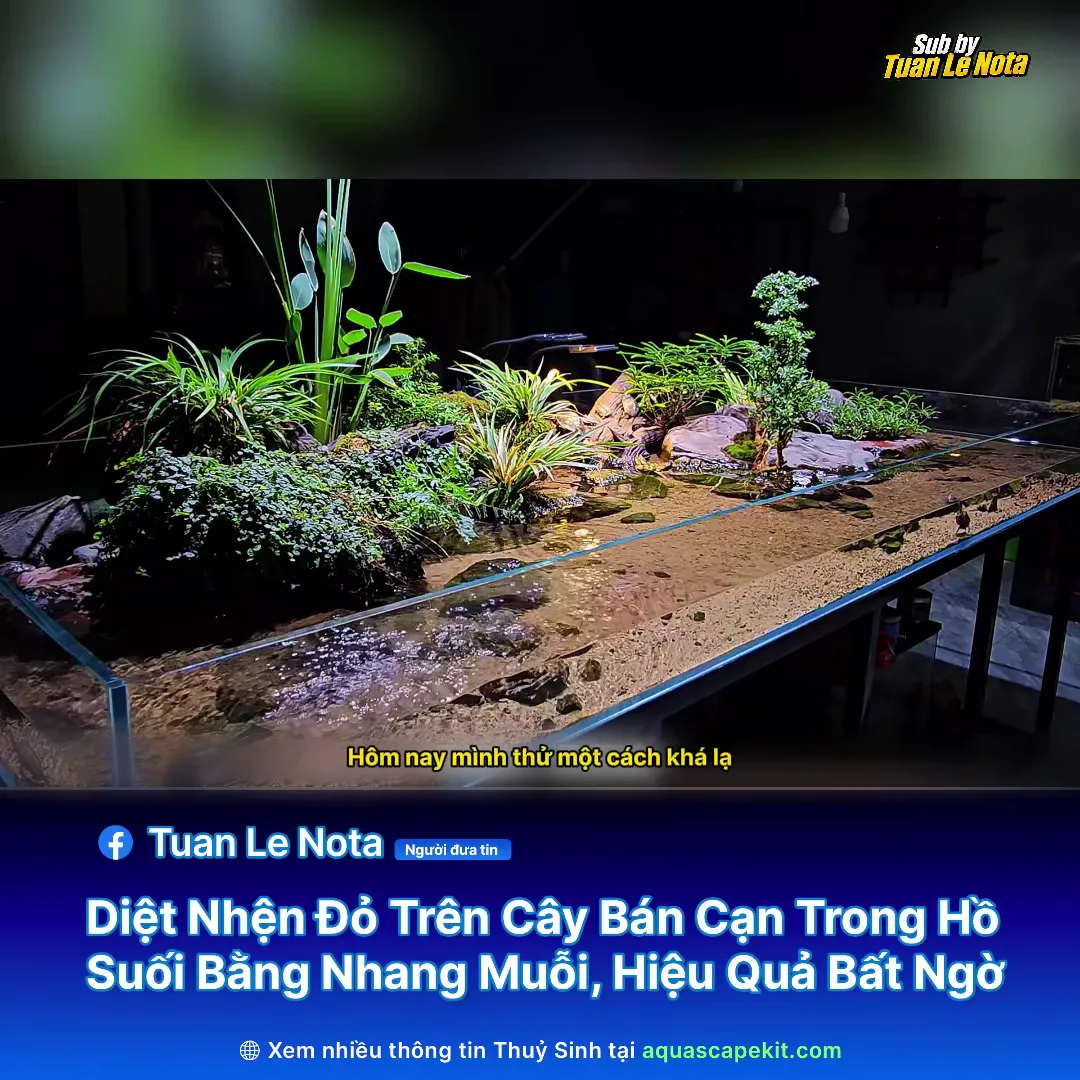
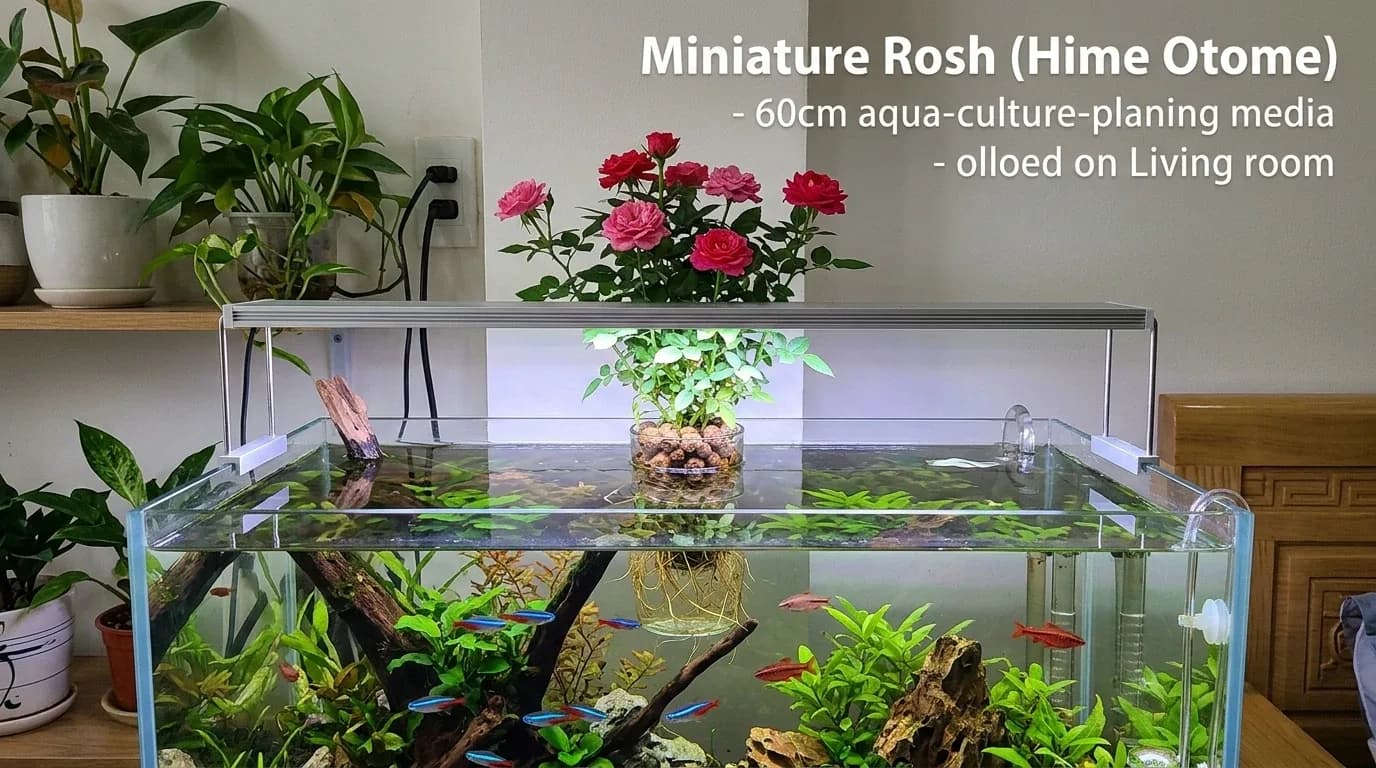
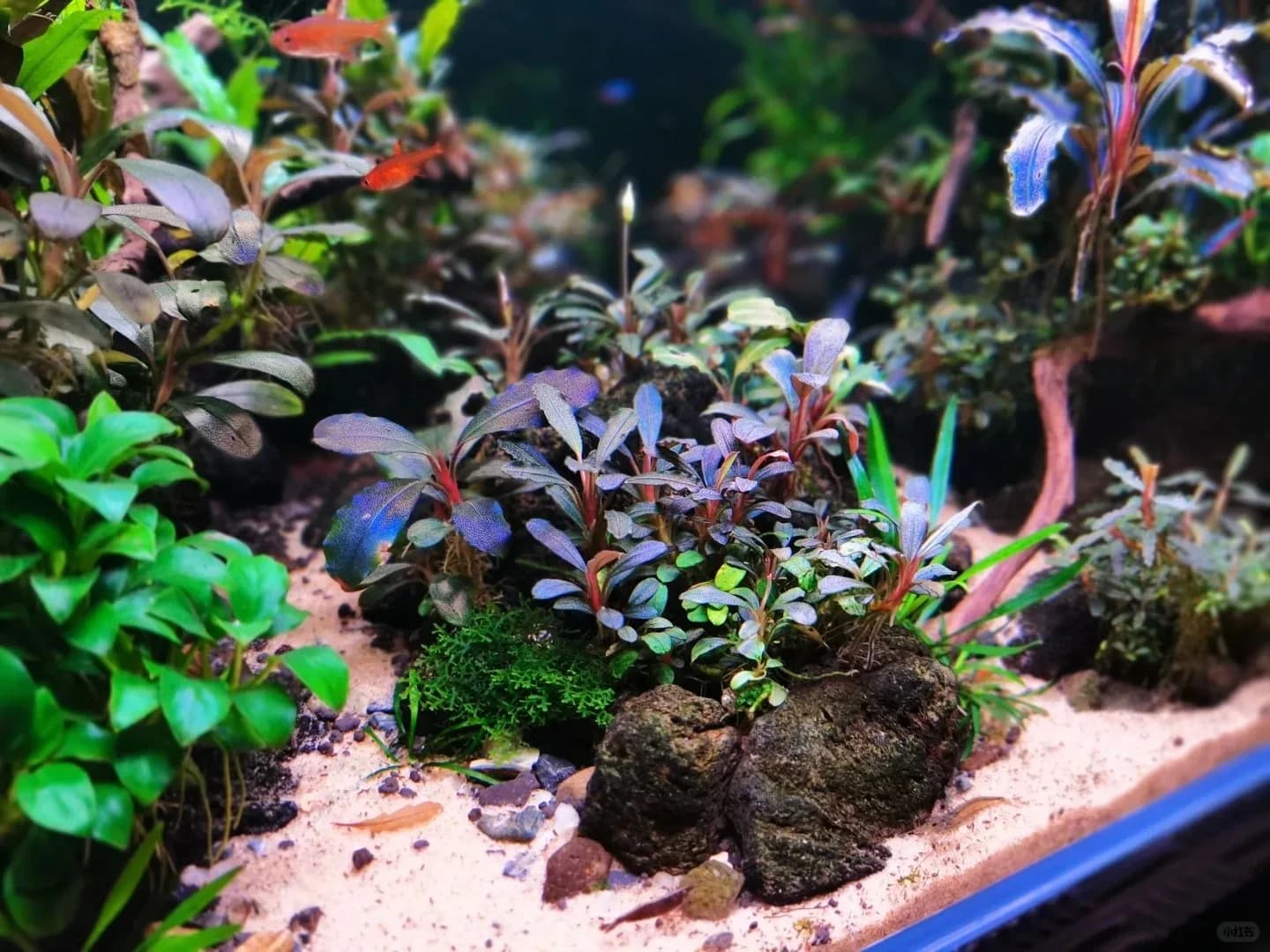
There are stream tanks that look stunning from a distance: driftwood rising above the water, lush green plants clinging to the wood, a gentle flow below, fish darting through rock crevices, and lights covering both aquatic and emersed parts. But the longer you keep this type of tank, the more likely you are to encounter a tricky problem: the emersed plants sometimes get attacked by red spider mites.
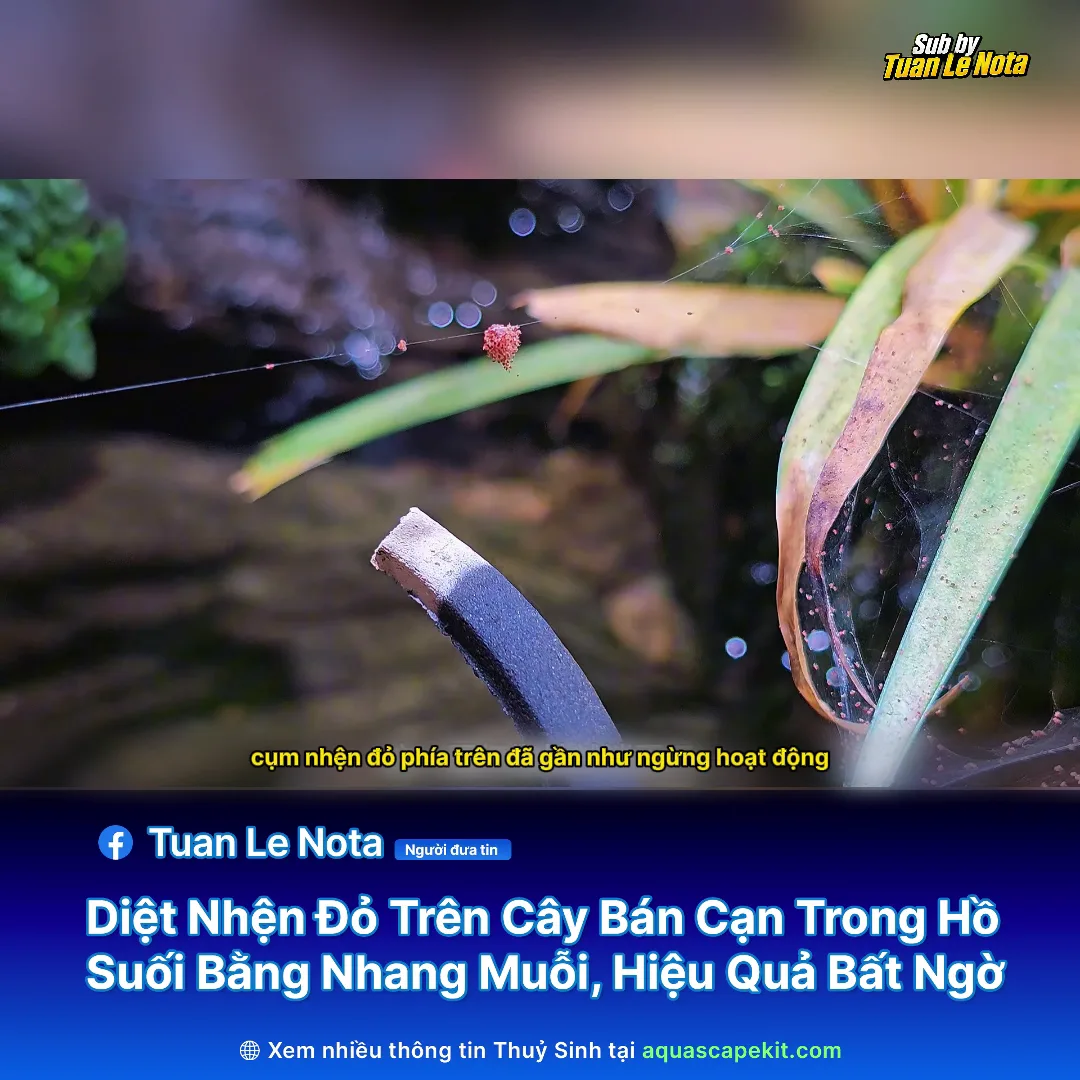
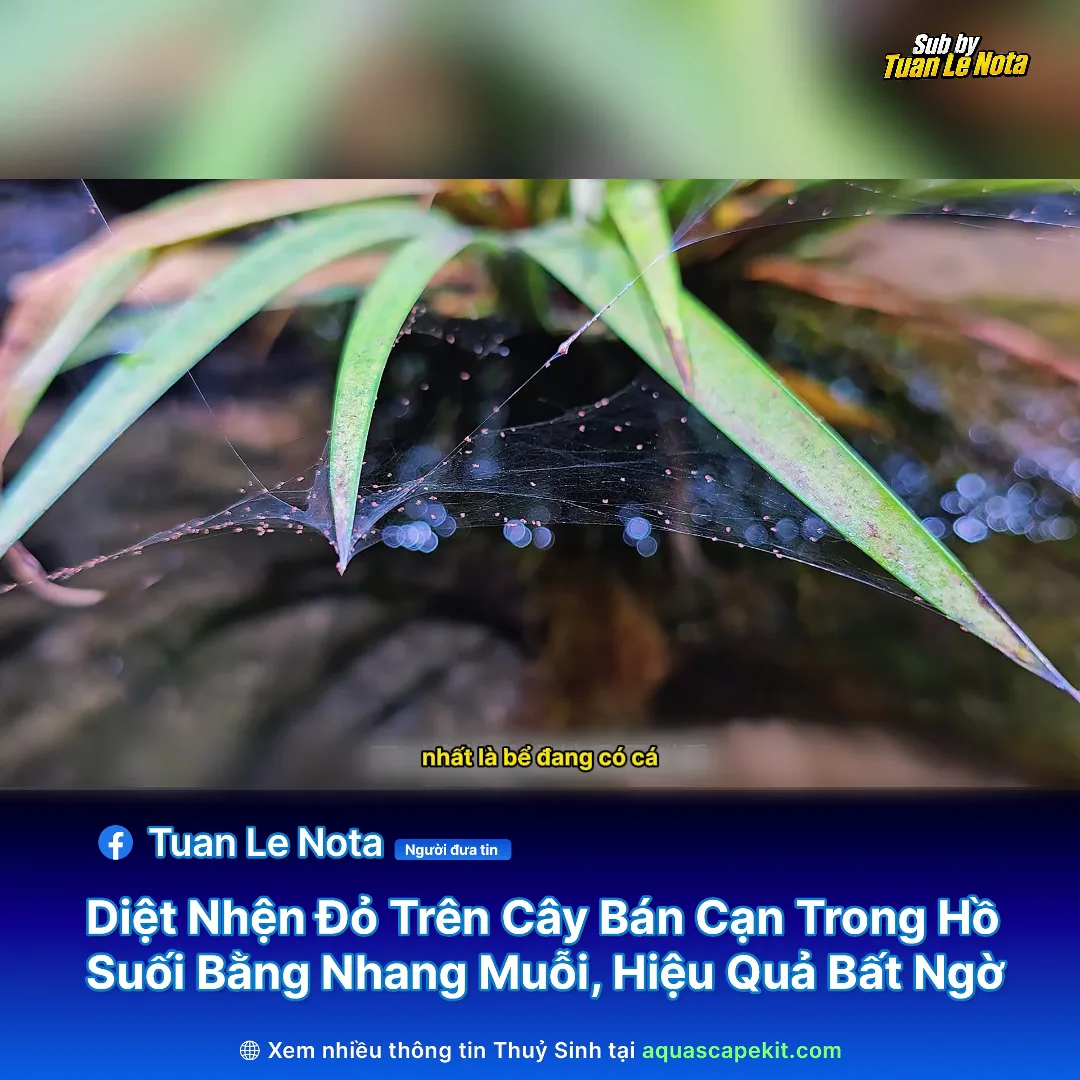
Red spider mites don't cloud the water, don't form green patches like algae, and don't appear noisily like pest snails in new tanks. They quietly reside on the underside of leaves, sucking plant sap, causing leaves to fade, develop yellow spots, dry at the edges, and gradually decline. For emersed plants grown on driftwood, rocks, or areas simulating stream banks, red spider mites are even more troublesome because these plants are very close to the water surface. Spraying chemicals risks affecting fish and shrimp. Cutting off all leaves ruins the layout. Submerging the entire plant works for some species but shocks others.
In the emersed tank community, some have tried using mosquito coils to treat red spider mites on emersed plants and found it quite effective. It sounds unusual, even a bit "folk," but if you understand the mechanism and safety limits, it's an experience worth discussing. The issue is that mosquito coils can affect small insects, but the active ingredients in mosquito coil smoke are also highly sensitive to aquatic organisms. So, it's not just "light it and done"; you need to know which tanks can use it, in what situations, and where the safety boundaries are for fish, shrimp, plants, and the microbiome.
Why are emersed plants in stream tanks prone to red spider mites?
Stream tanks, ripariums, or paludariums often have a captivating feature: they are not only beautiful underwater but also have depth above the water surface. Hobbyists often use driftwood, rocks, terrestrial moss, Anubias, ferns, water parsley, water orchids, Phyllanthus fluitans, or other moisture-loving plants to simulate natural stream banks. With sufficient light, stable humidity, and proper water flow, emersed plants can thrive beautifully, creating a miniature slice of nature.
Related Posts
Comments
But this emersed part is in a sensitive zone. It receives strong light from tank lights, often has tender leaves with soft tissue, and is not constantly covered by water like submerged aquatic plants. If the area around the tank is dry, the room has fans or air conditioning, or lights shine for long periods causing leaf moisture loss, red spider mites easily appear. They prefer dry, warm places with little washing and hidden leaf undersides to shelter.
Common signs are leaves losing their sheen, tiny yellow spots appearing, and fine dust or very thin webbing on the underside. As density increases, plants stop growing, new leaves become smaller, and old leaves deteriorate quickly. In a stream-style layout, just one patch of plants on driftwood turning dull noticeably reduces the tank's natural look.
How can mosquito coils affect red spider mites?
Mosquito coils work by producing smoke carrying substances that repel or kill small insects in confined spaces. When used on emersed plants, the smoke can reach leaf undersides, driftwood crevices, plant bases, and hard-to-reach spots. This is why many find this method faster than just misting or wiping leaves.
For red spider mites on emersed plants, the hardest part is that they usually hide on leaf undersides and small crevices. If you only look at the top, you might think the plant lacks nutrients, moisture, or is suffering from light burn. By the time you flip the leaves, the mites have already spread significantly. Mosquito coils in a controlled space can reduce red spider mite density on emersed plants, especially when plants are on driftwood or rocks and hard to remove for separate treatment.
However, this should only be seen as a situational solution for plants above the water surface. Mosquito coils are not specialized treatments for aquariums, let alone a solution to use directly in tanks with fish and shrimp. The key is to isolate smoke, ash, and residues from the tank water as much as possible.
The most important thing: fish, shrimp, and aquatic organisms are very sensitive to the active ingredients in mosquito coils
Aquarium hobbyists are usually meticulous about pH, KH, GH, TDS, NH3/NH4, NO2, NO3, but sometimes underestimate impacts from the air around the tank. A bit of glass-cleaning water falling into the tank, a spray of insecticide near the water surface, or mosquito coil ash falling into the tank can all create risks, especially for tanks with ornamental shrimp, small fish, ornamental snails, and a stable microbiome.
Many mosquito coils use active ingredients from the pyrethrin or pyrethroid group. These target insect nervous systems, but in aquatic environments, they require extreme caution. Fish, shrimp, and many aquatic invertebrates are highly sensitive to insecticides. Therefore, when introducing mosquito coils into the story of treating red spider mites on emersed plants, the first rule is to protect the water.
If the tank has rainbowfish, fast-swimming stream fish, ornamental shrimp, ornamental snails, or other sensitive species, burning mosquito coils right next to an open water surface is a very risky choice. Smoke can settle on the water surface, ash can fall in, and residues on leaves can be pulled back into the tank by misting or water flow. For newly set up tanks with immature microbiomes and acclimating plants, the risk is even greater.
When can mosquito coils be considered for emersed plants?
This method is only worth considering when red spider mites appear mainly on plants above the water surface, the plants are difficult to remove from the layout, and the hobbyist can thoroughly cover and isolate the tank water. Tanks with a clearly separated emersed section, where the water surface can be temporarily sealed, filtration can be turned off briefly, and the treatment area can be ventilated afterward, are easier to control.
For fully open tanks with wide water surfaces, ornamental shrimp, or sensitive small fish, safer options usually include removing the plant for separate treatment, wiping leaves by hand, increasing misting, washing leaf undersides, or pruning heavily affected parts. If the plant is on a removable driftwood branch, lifting the entire branch out of the tank for external treatment is much less stressful.
A key point is that red spider mites often return if the environment remains dry, leaves are not moistened, and plants are stressed. So, regardless of the method used, post-treatment care determines long-term stability.
How to treat red spider mites with mosquito coils in a safer way for stream tanks
For tanks with living organisms, preparation is more important than the act of burning the coil. First, reduce risk to the water surface by covering it tightly with plastic wrap, a glass lid, or suitable material during treatment. Filter intakes, outlets, surface skimmers, and any points that could draw air or debris into the water should also be controlled. If the tank uses a waterfall, dry stream, or flow that runs over emersed plants, temporarily stop the flow to minimize residues entering the water.
Mosquito coils should only be placed outside the tank, not on stands, lids, tank rims, or anywhere ash could fall into the water. The goal is for smoke to contact the upper canopy of plants, not to fumigate the entire tank. After a short treatment period, ventilate the area, remove the water surface cover, wipe down the glass, tank edges, driftwood surfaces, or areas that may have collected dust. If plants have large leaves, gently wipe them with a clean damp cloth after the smoke dissipates.
For tanks with ornamental shrimp or sensitive fish, a small water change after treatment can provide peace of mind, especially if dust or ash may have settled near the water surface. Activated carbon in the filter can be used short-term in some cases to help adsorb organic impurities, but this should be seen as a supplementary safety measure, not an excuse for careless treatment.
Afterward, monitor fish and shrimp reactions: any unusual gasping at the surface, erratic swimming or lethargy in shrimp, snails climbing high, or strange water odor. If signs of distress appear, prioritize increasing oxygen, performing partial water changes, and observing closely for the first few hours.
Gentler ways to reduce red spider mites on emersed plants
Mosquito coils may provide quick results, but for aquariums, gentle methods should be the foundation. Red spider mites strongly dislike moist environments and frequent washing. Therefore, increasing misting for emersed plants, using a spray bottle with clean water on leaf undersides, or gently rinsing leaves periodically can significantly reduce mite populations.
For plants with tough leaves like Anubias, terrestrial ferns, pothos, or some hardy driftwood or bank plants, wiping leaf undersides with a damp cloth or cotton swab can be quite effective. Leaves that have already faded, dried at edges, or lost vigor should be pruned cleanly so the plant can focus on new growth. Plants in emersed tanks look best when they have a natural leaf turnover; there's no need to keep all old leaves if they've become mite shelters.
Another factor is humidity around the tank. If lights are too strong and shine for long periods on emersed plants, leaves dry out. If a room fan blows directly, emersed plants lose moisture faster. Adjusting fan direction, increasing misting, or creating a slightly humid zone around the plant cluster makes it harder for red spider mites to thrive. In stream tanks with a front-low, back-high layout, plants on higher driftwood need more attention because they receive more direct light and airflow than plants near the water surface.
Healthy emersed plants are the most sustainable prevention against red spider mites
A beautiful stream tank layout depends not only on rocks, driftwood, and light but also on plants being healthy enough to maintain color. When plants lack moisture, nutrients, have unstable roots, or are stressed by excessive light, they become easy targets for red spider mites. Conversely, healthy plants with thick leaves, evenly misted, and with moderate air circulation withstand pest pressure better.
For plants on driftwood, pay attention to the root zone. If roots only loosely grip a dry surface, the plant weakens easily. A bit of moss, peat, moisture-retaining material, or driftwood crevices with capillary water help stabilize the plant. For plants at the stream edge, gentle water flow through the root zone maintains good moisture, but upper leaves still need misting if the room is too dry.
Light also needs balance. Two lights arranged one high and one low can provide good illumination for both plants and the tank, but if emersed plants receive overly intense light for long periods, leaves dry out quickly and decline. Emersed stream tanks often look best when light is sufficient for plant growth but still maintains a moist, cool, natural feel like a real stream bank.
For tanks with fish and shrimp, stability matters more than quick results
Many treatment tips in aquascaping sound appealing because they offer fast results. But a fish tank is not a standalone potted plant. In a stable tank, fish, shrimp, snails, plants, microbes, substrate, filtration, and water flow are interconnected in a small system. A pest treatment on emersed plants that risks the tank water may cost more than a few ugly leaves.
Mosquito coils can be a noteworthy trick when needing to treat red spider mites on emersed plants, especially in layouts that are hard to disassemble. But the most sensible use is controlled, with thorough water isolation, short treatment time, observation of tank response, and subsequent plant care. If the tank houses many shrimp, small fish, or sensitive species, removing the plant for separate treatment remains a lower-risk option.
The beauty of emersed tanks lies in their natural feel: below, fish glide swiftly like in a stream; above, plants cling to driftwood, leaves catch light, and moisture gently envelops the layout. To maintain that natural look, hobbyists sometimes have to deal with tiny issues like red spider mites, aphids, dry leaves, or fine webbing under leaves. Done skillfully, plants recover, the layout retains its shape, and the tank remains stable. Done hastily, a few red spider mites can turn into a system-wide disturbance.
Conclusion: Mosquito coils can be effective, but only beautiful when the tank remains safe
Killing red spider mites on emersed plants with mosquito coils is an interesting experience, especially for stream tank, paludarium, or driftwood plant enthusiasts. Results can be seen quickly on emersed plants, but this is not a carefree method like using them for potted plants on a balcony. In aquascaping, everything near the water surface deserves careful consideration.
If used, consider mosquito coils as a situational solution, only when you can properly shield and isolate the pond water. If you're not confident in controlling smoke, ash, and residues, softer methods like spraying the underside of leaves, increasing humidity, wiping leaves, pruning, and nursing plants back to health remain a more sustainable approach. A beautiful stream tank is not just one free of red spider mites, but one where after treatment, the fish remain healthy, shrimp are stable, plants regrow, and the water continues to stay as clear as if it had never been disturbed.