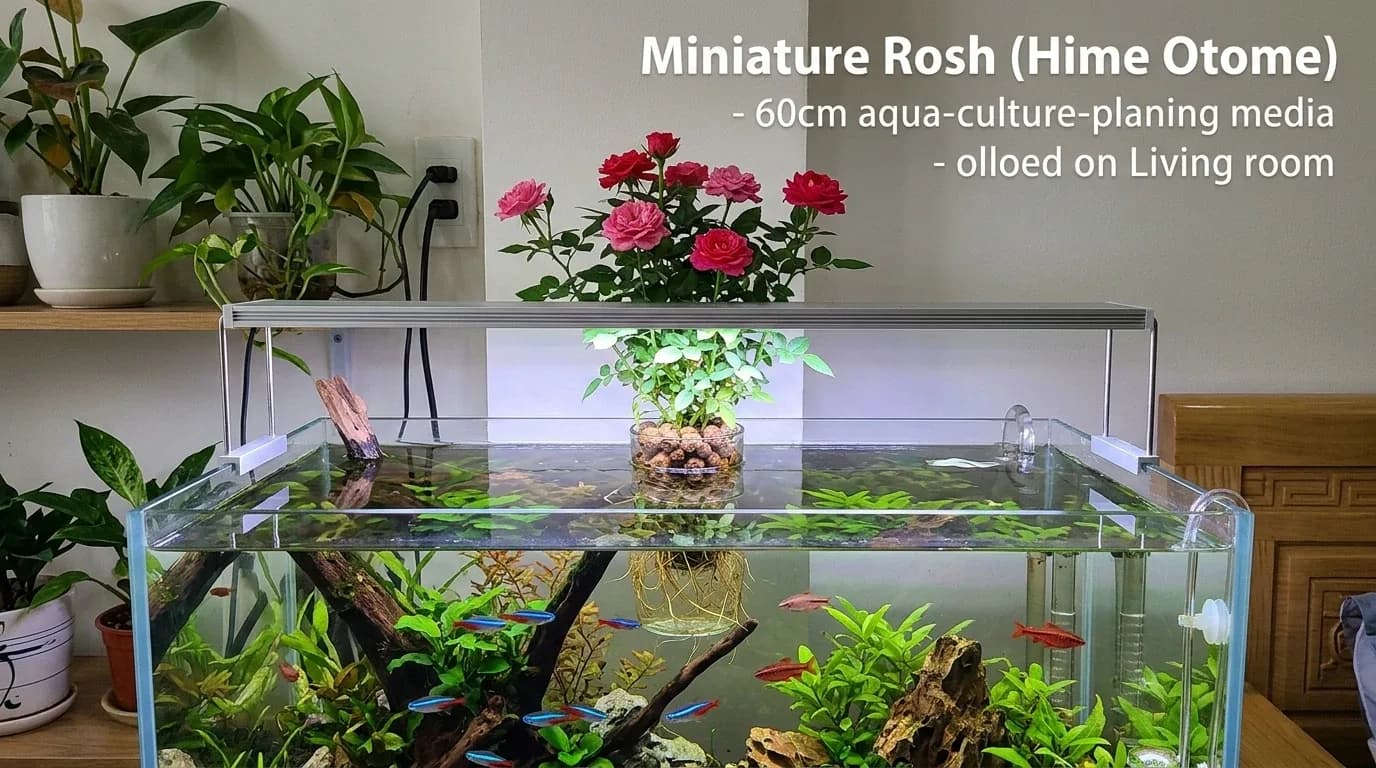
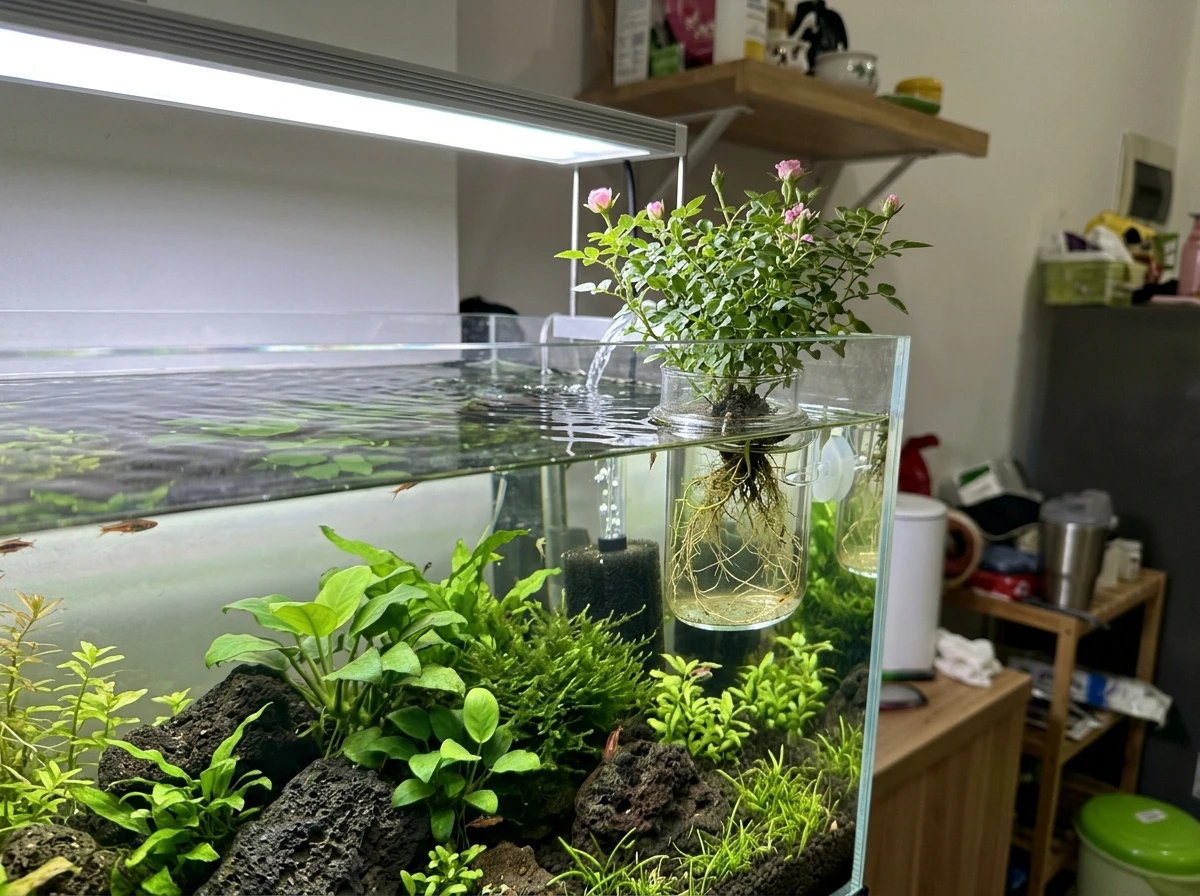
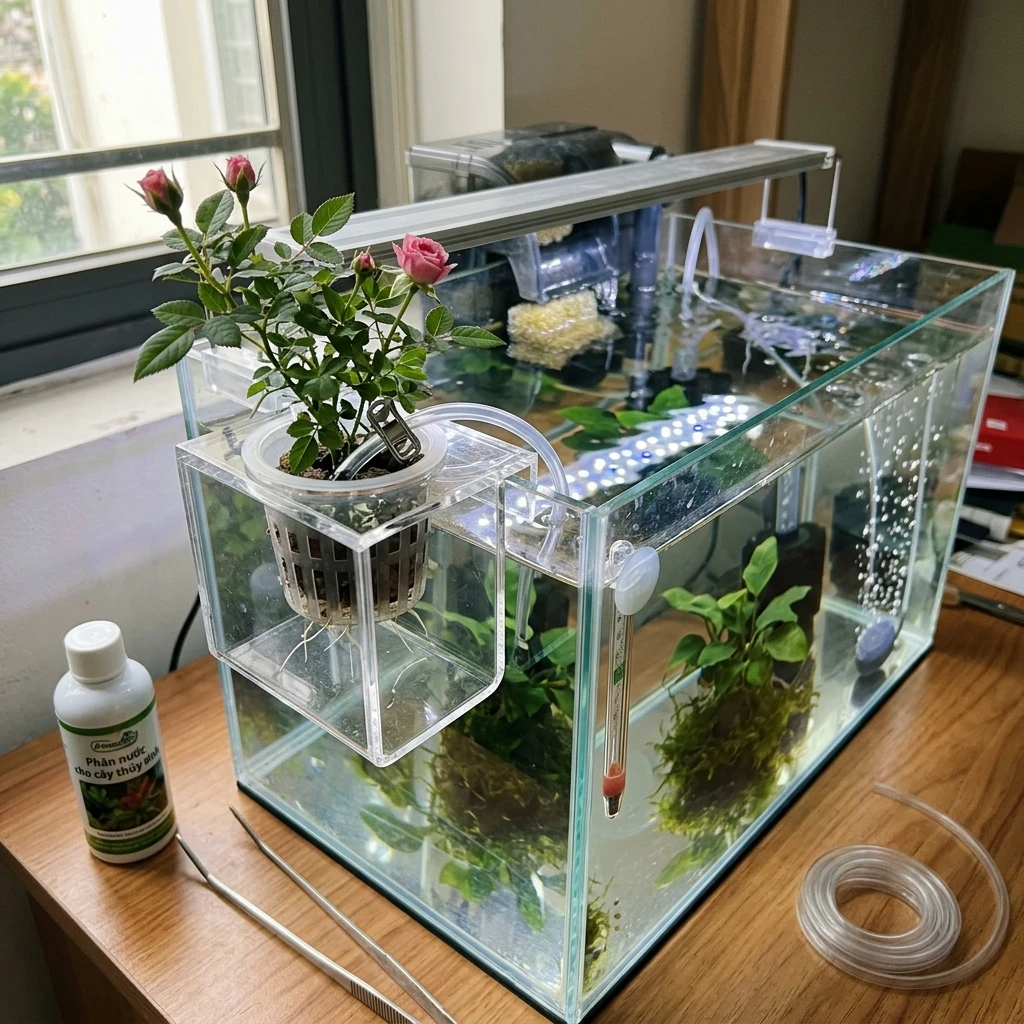
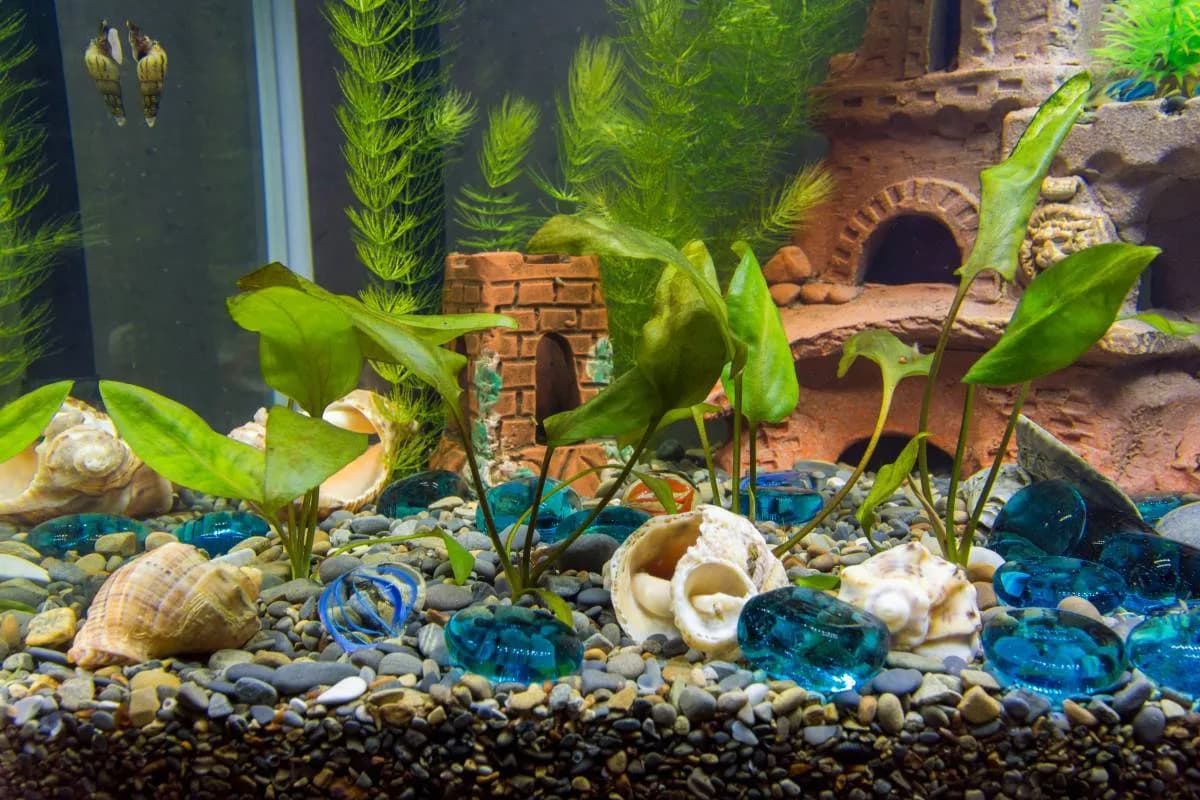
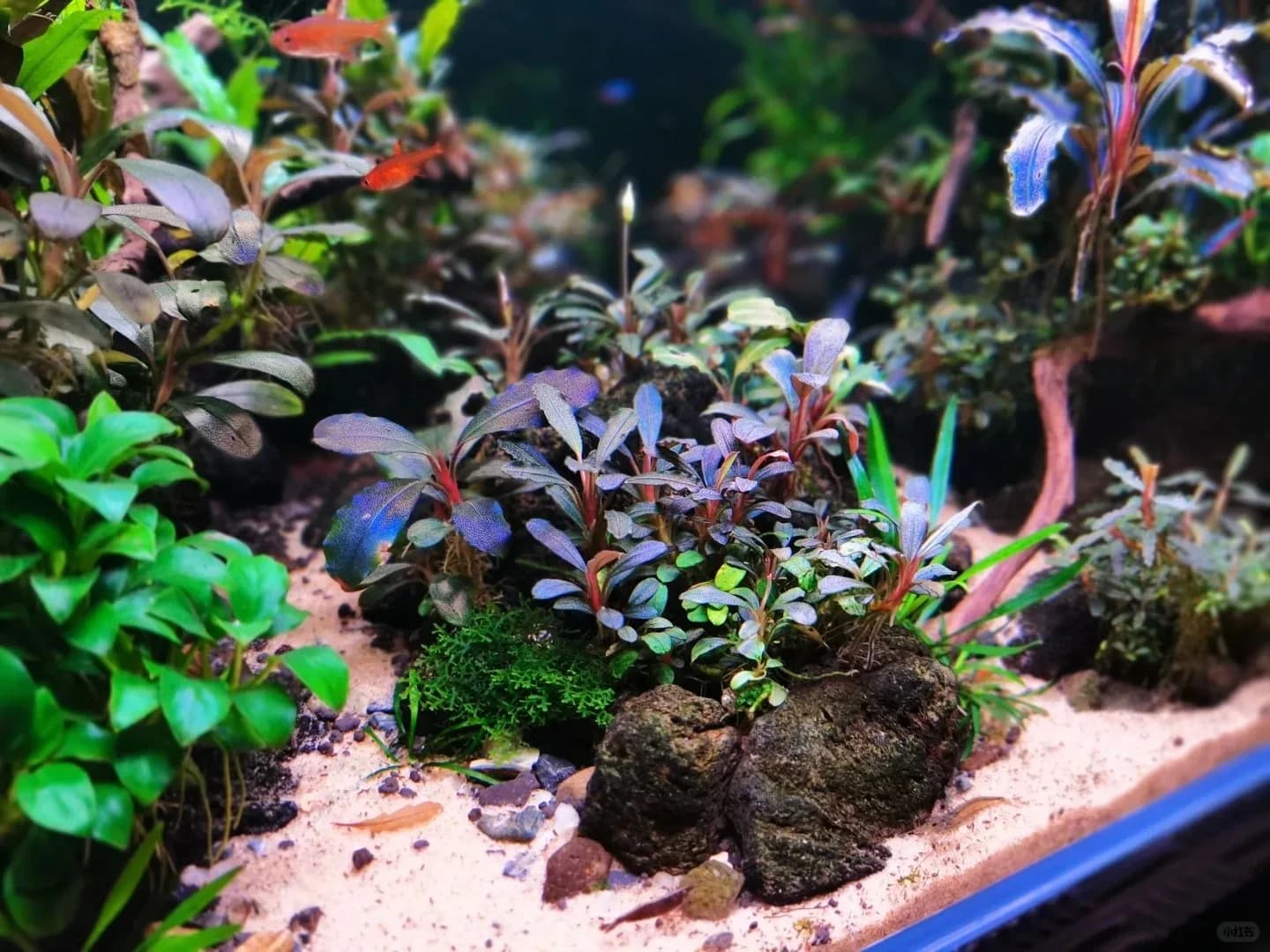
Guide to growing Hime Otome mini rose on a professional hydroponic aquarium
Growing plants on an aquarium: hydroponic cultivation of Hime Otome mini rose requires a delicate combination of gardening techniques and aquatic ecosystem management. To succeed, you need to ensure the roots are only partially in contact with water, allowing the plant to absorb nutrients from fish waste without root rot.
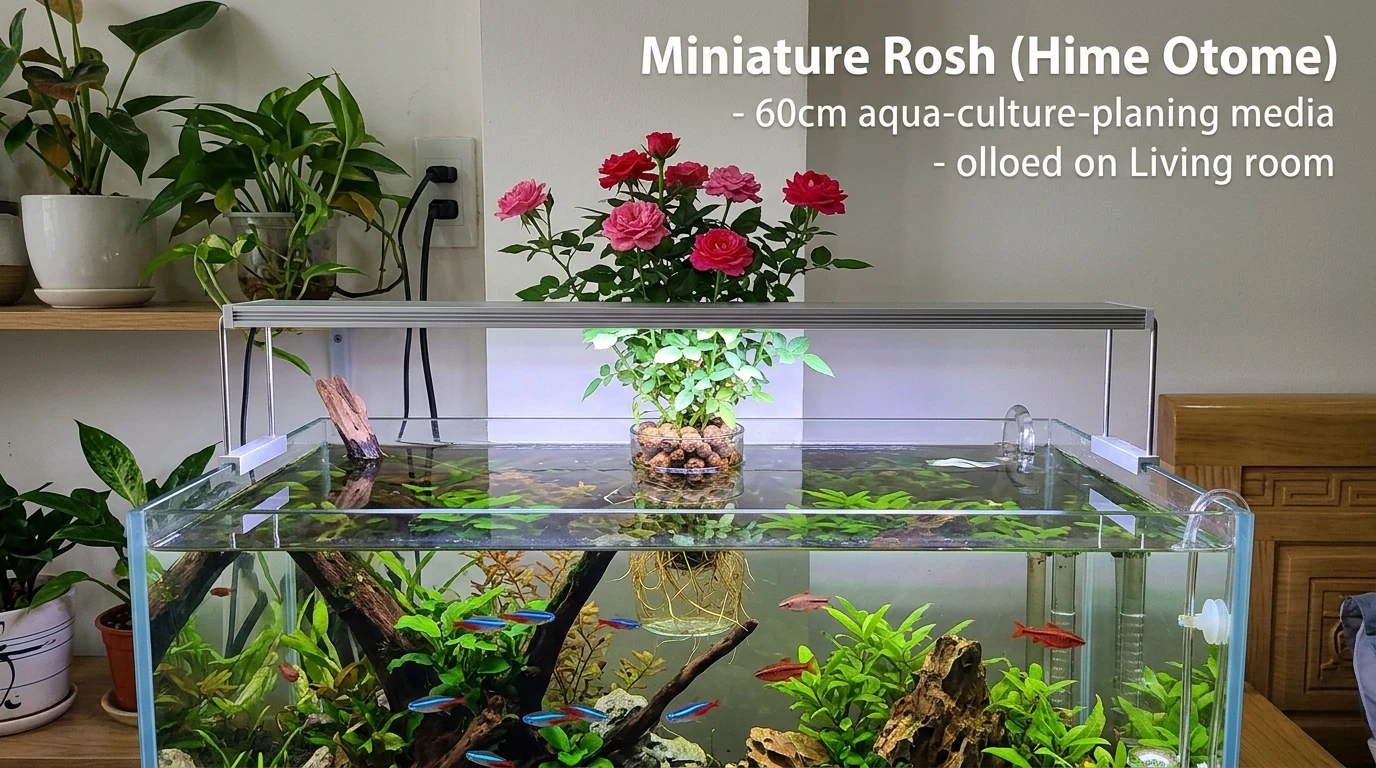
Growing plants on aquariums: Hydroponic cultivation of the Hime Otome mini rose requires a delicate combination of gardening techniques and aquatic ecosystem management. To succeed, you need to ensure the roots are only partially in contact with the water, allowing the plant to absorb nutrients from fish waste without root rot.
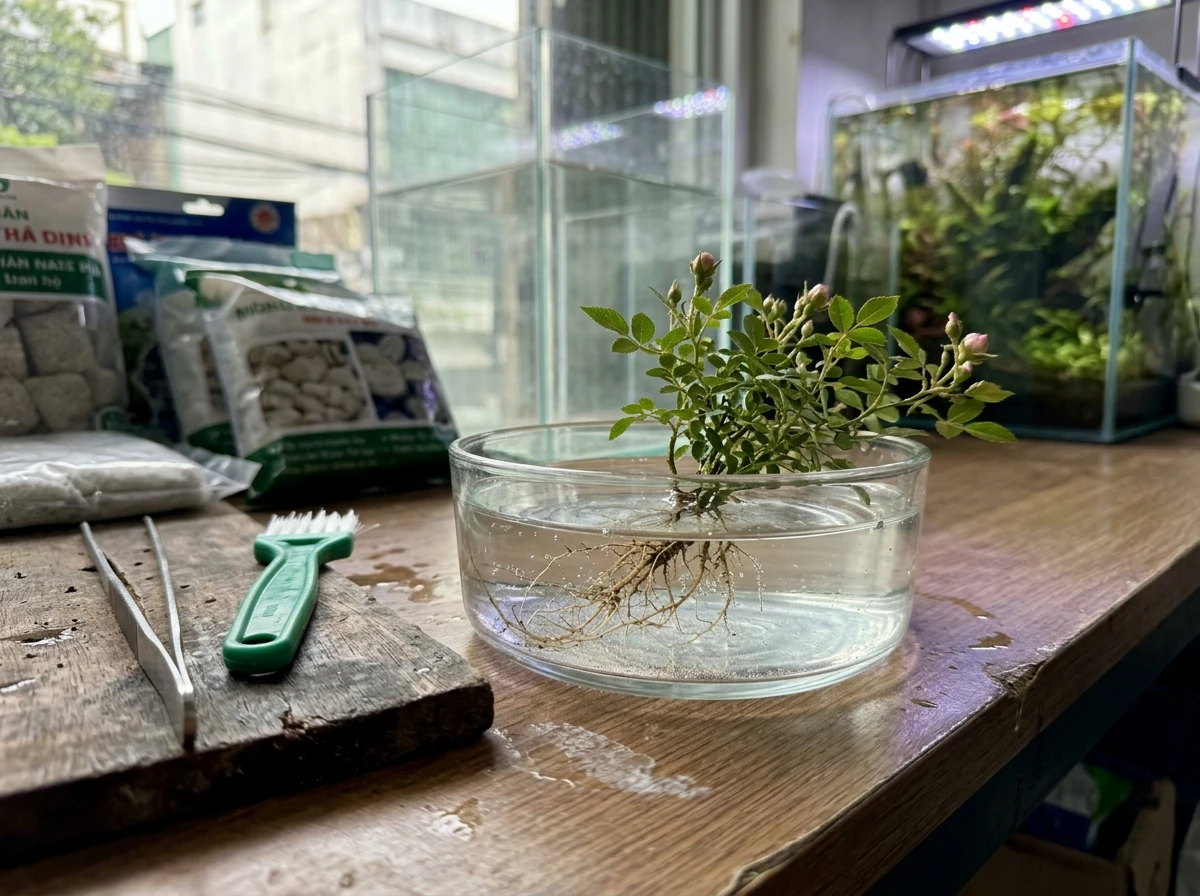
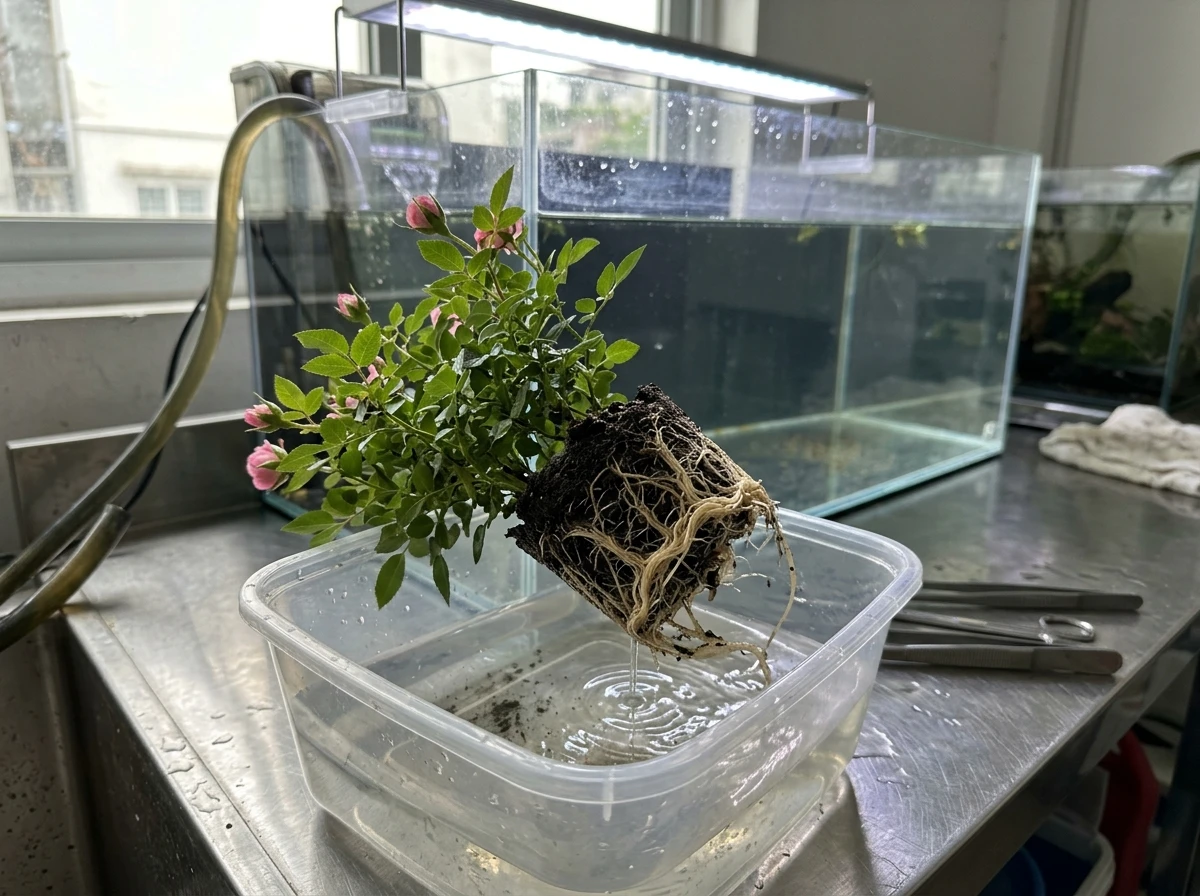
Thoroughly clean the entire root system of the rose under a gentle stream of running water, removing 100% of the old soil to avoid introducing pathogens or impurities into the aquarium.
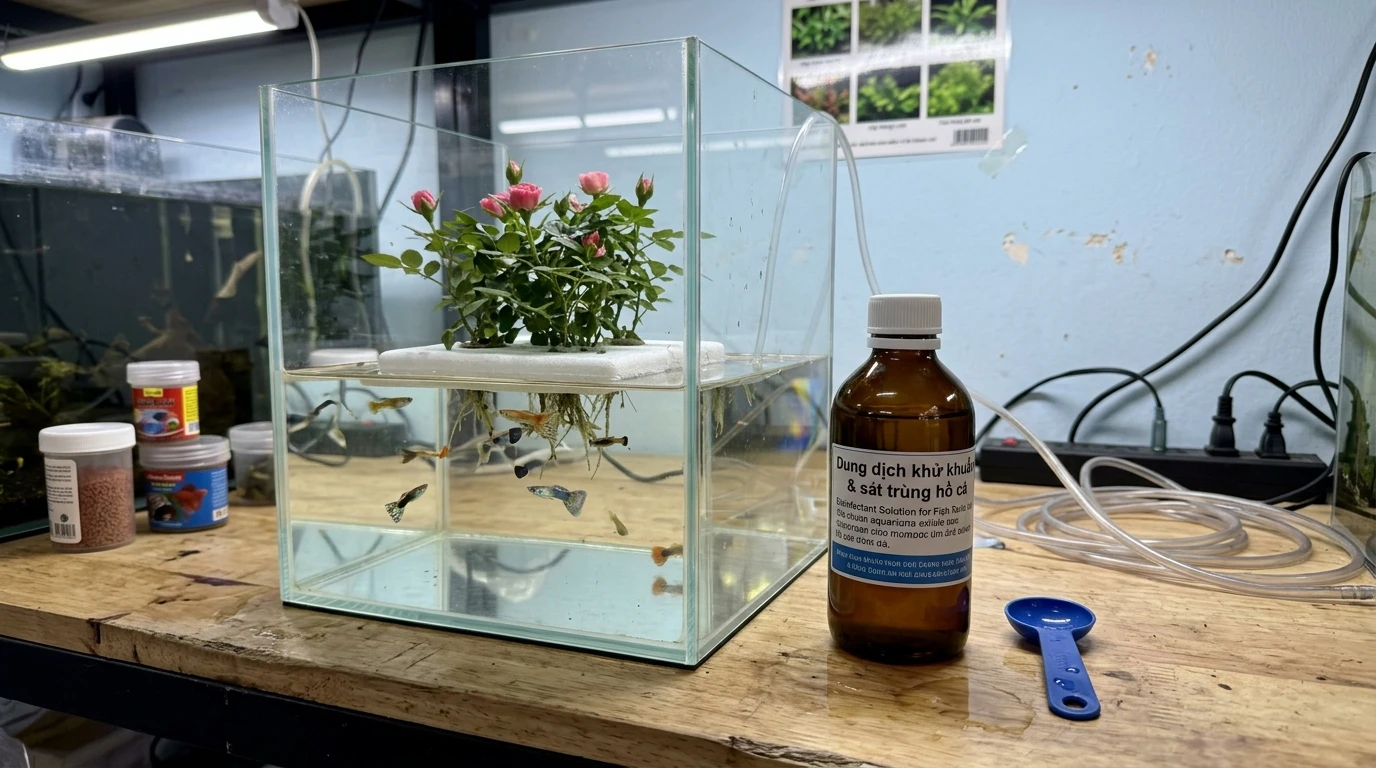
Soak the roots in a mild disinfectant solution (such as a 0.5% concentration of diluted salt water) for 5 minutes, then rinse with clean water to ensure safety for ornamental fish.
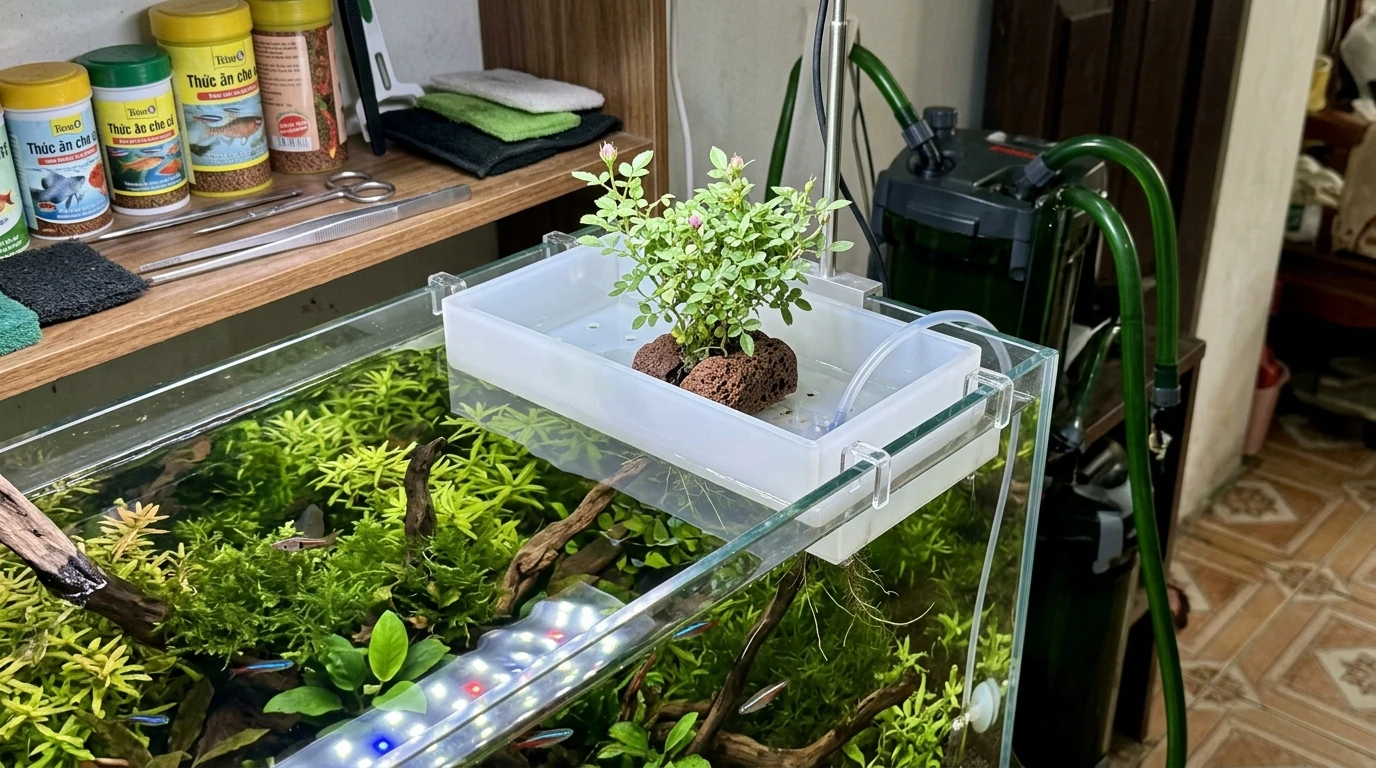
Use inert substrates like lava rock or lightweight gravel to secure the plant base in the hydroponic basket, helping the roots anchor firmly and stay aerated.
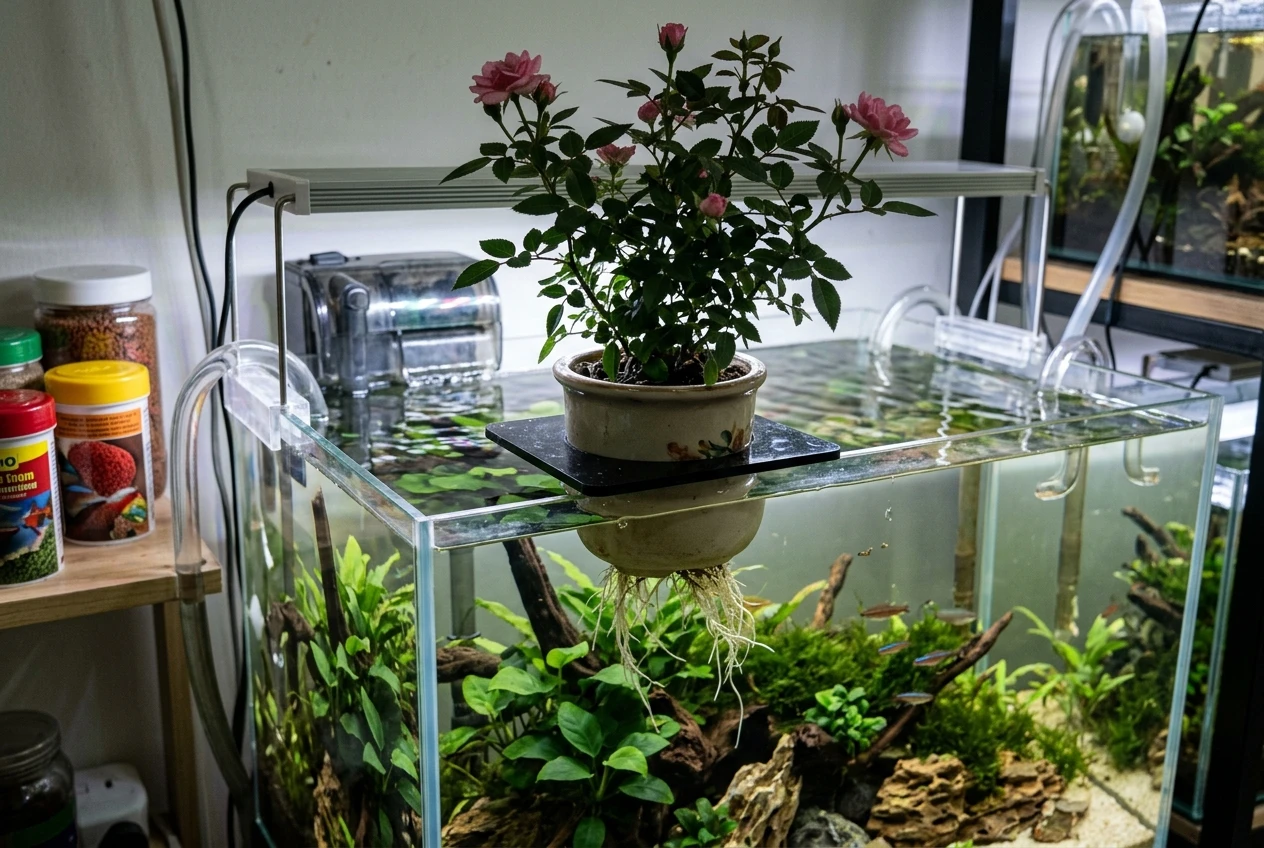
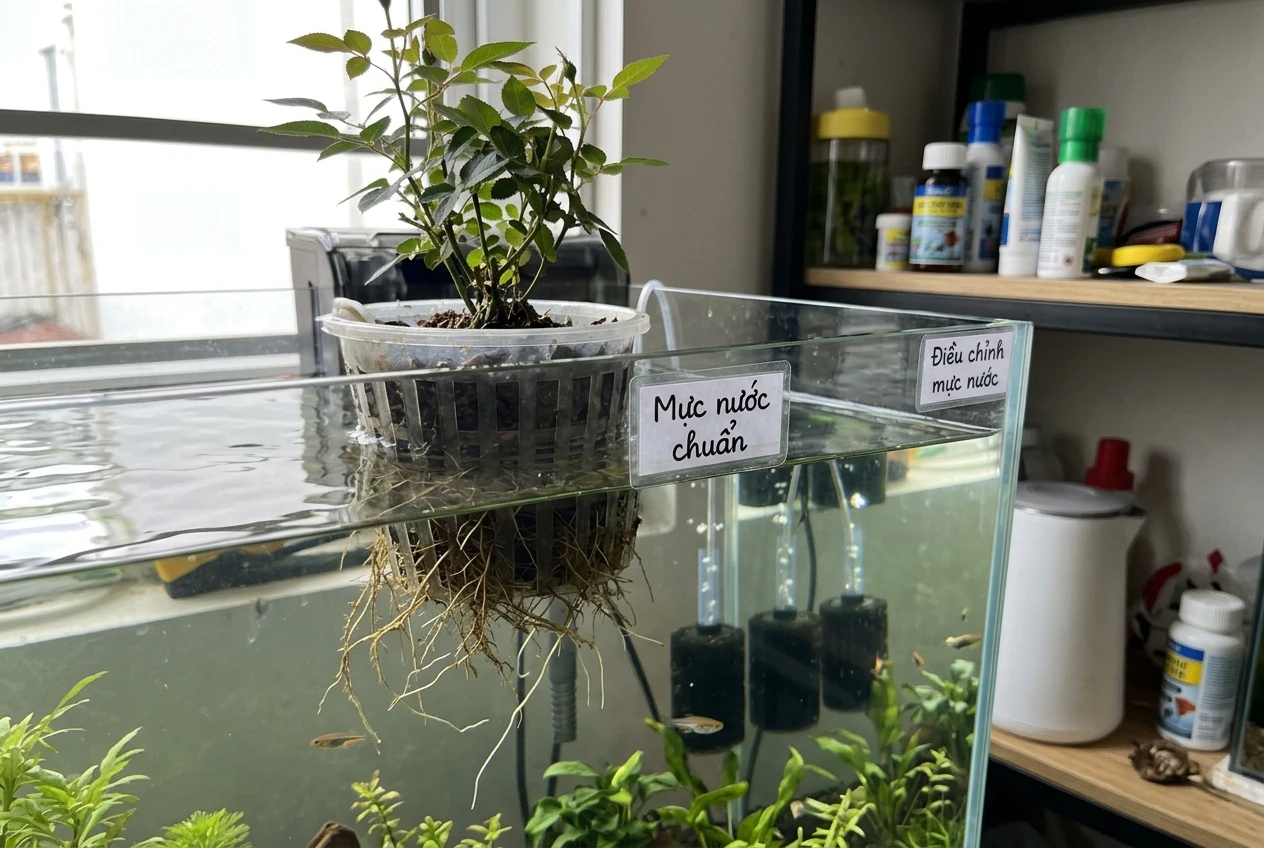
Design a hanging rack or floating tray so that only the root tips contact the water surface, avoiding complete submersion of the plant stem to prevent root rot.
Control the nitrate concentration in the aquarium at 20-40 ppm to provide a rich source of natural fertilizer for plant growth.
Place the system in a location with 6-8 hours of natural light daily, ensuring the Hime Otome mini rose has enough energy to bloom vibrantly in a professional hydroponic environment.
Hydroponic Hime Otome mini rose grown on a home ornamental aquarium
A guide on how to grow Hime Otome mini roses hydroponically on aquariums to help filter water and create a cool green focal point for living spaces.
Related Posts
Comments
Hydroponic Hime Otome mini rose grown on a home ornamental aquarium
A guide on how to grow Hime Otome mini roses hydroponically on aquariums to help filter water and create a cool green focal point for living spaces.
Biological Characteristics of the Hime Otome Mini Rose Variety
The Hime Otome rose can be grown hydroponically on aquariums if properly treated with the right techniques. Although it is a shrub rose species, this rose's characteristics allow its root system to adapt to an oxygen-rich aquatic environment, provided the root crown is not completely submerged to avoid rotting.
The growth characteristics of the Hime Otome mini rose are notable for its compact size, suitable for professional hydroponic aquarium systems. Unlike traditional rose varieties, the Hime Otome variety has the ability to develop a robust network of fine roots when directly exposed to a water environment with stable nitrate levels from fish waste. However, for sustainable plant growth, growers should note that the roots need to be in contact with circulating water flow to ensure continuous metabolic processes. According to aquatic ecosystem experts, maintaining dissolved oxygen concentration in water above 5mg/L is a key factor in preventing root suffocation and enabling more efficient nutrient absorption.
Regarding photosynthesis requirements, the Hime Otome rose demands high light intensity, at least 6 to 8 hours of illumination per day. When grown on an aquarium, if natural light is not strong enough, you need to supplement with specialized LED lights for aquatic plants with a full light spectrum. This mini rose not only serves a decorative role but also acts as a natural biological filter, helping absorb excess nitrogen compounds in the tank. For optimal effectiveness, ensure that only the roots are submerged in water, while the stem and leaves must be kept dry to prevent fungal diseases. Adhering to principles of light and water level management will help the Hime Otome mini rose maintain vigorous vitality, creating a unique aesthetic focal point for your aquarium space.
Hydroponic Hime Otome mini rose grown on an ornamental aquarium
Biological characteristics of the Hime Otome mini rose variety when adapting to a hydroponic environment in an aquarium.
Adaptability to Aquatic Environments
Plants on aquariums: The hydroponically grown Hime Otome mini rose possesses remarkable aquatic environment adaptability thanks to its flexible root structure. When transitioning from a soil environment to hydroponics, this rose variety can develop a strong system of aerial roots, helping it directly absorb dissolved nutrients in water without needing traditional substrates.
To optimize adaptability, hobbyists need to pay attention to the balance between oxygen and moisture at the root crown area. In the aquarium environment, the Hime Otome rose not only survives but also serves as a natural biological filter. According to experimental studies on small-scale aquaponics systems, maintaining a water level that provides just enough contact with the young root portion helps the plant minimize root rot due to oxygen deficiency, while stimulating the development of specialized root hairs. Specifically, only about 1/3 of the root system should be submerged in water, with the remaining part needing contact with air to ensure stable metabolic processes.
The interaction between the plant and the aquatic environment also depends on pH levels and mineral content. The Hime Otome rose prefers a water environment with a pH ranging from 6.0 to 7.0, perfectly compatible with most common ornamental fish species. For best results, growers should apply root fixation methods using lightweight gravel or inert substrates, helping the plant roots anchor firmly without altering the water quality in the tank. Understanding this adaptation mechanism is key to maintaining aesthetic beauty and sustainable health for both the rose plant and the ornamental fish ecosystem below.
Hydroponic Hime Otome mini rose grown on an aquarium with a healthy root system developing in the aquatic environment
The excellent adaptability of the Hime Otome mini rose when its roots are directly exposed to water in the aquatic tank
Growth Cycle and Light Requirements
The Hime Otome mini rose when grown hydroponically on aquariums requires a stable growth cycle with optimal light intensity from 6 to 8 hours per day. Maintaining a strong light source helps the plant photosynthesize efficiently, promoting continuous flowering in a nutrient-rich aquatic environment.
Under hydroponic conditions, this rose variety shows faster growth rates compared to traditional soil cultivation due to its ability to directly absorb nitrates from fish waste. To achieve the best flowering performance, hobbyists need to ensure light intensity reaches 30,000 – 50,000 lux. If light is insufficient, the plant will tend to become leggy, with thin leaves and reduced bud formation. Conversely, exposure to overly harsh direct midday sunlight can increase water temperature, negatively affecting the microbial system and the health of ornamental fish in the tank.
An important technical factor is the balance between the lighting cycle and the plant's metabolic cycle. According to practical studies on plants on aquariums: hydroponically grown Hime Otome mini roses, maintaining stable lighting duration helps the plant establish a sustainable circadian rhythm. You can use specialized LED lights for aquatics with a full light spectrum to simulate sunlight, helping the plant grow evenly. It's important to note that, although it is a light-loving rose variety, when first transitioning from a soil environment to hydroponics, the plant needs an adaptation period of 7 to 10 days under diffused light before being moved to an area with higher light intensity to avoid thermal shock and leaf burn.
Hydroponic Hime Otome mini rose grown on an aquarium with specialized LED lighting
The growth cycle of the Hime Otome mini rose largely depends on the intensity and duration of lighting from aquarium LED lights.
Preparing the Hydroponic System for Roses
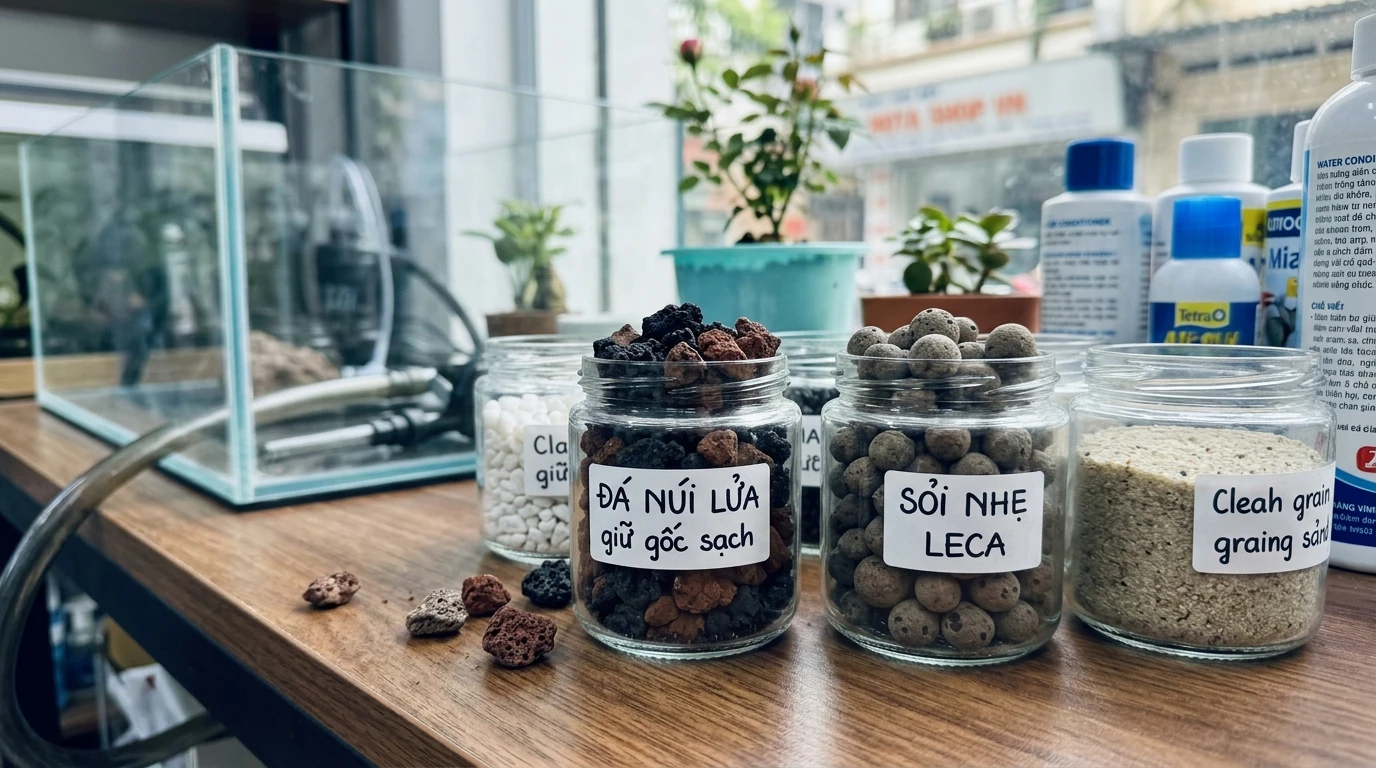
To grow Hime Otome mini roses hydroponically on aquariums, you need to use inert substrates like lightweight gravel (leca) or processed lava rock to ensure they don't alter the water's pH. When designing the plant hanging rack, pay attention to weight balance and the ability of the root system to have just enough contact with circulating water flow.
Selecting hydroponic substrates: Prioritize using lightweight gravel or lava rock with particle sizes from 5-10mm. These materials have a porous structure, helping plant roots anchor firmly without being compacted, while not releasing minerals that cause pH fluctuations in the aquarium. Absolutely avoid clay pellets containing impurities or limestone that can increase water hardness, harming ornamental fish.
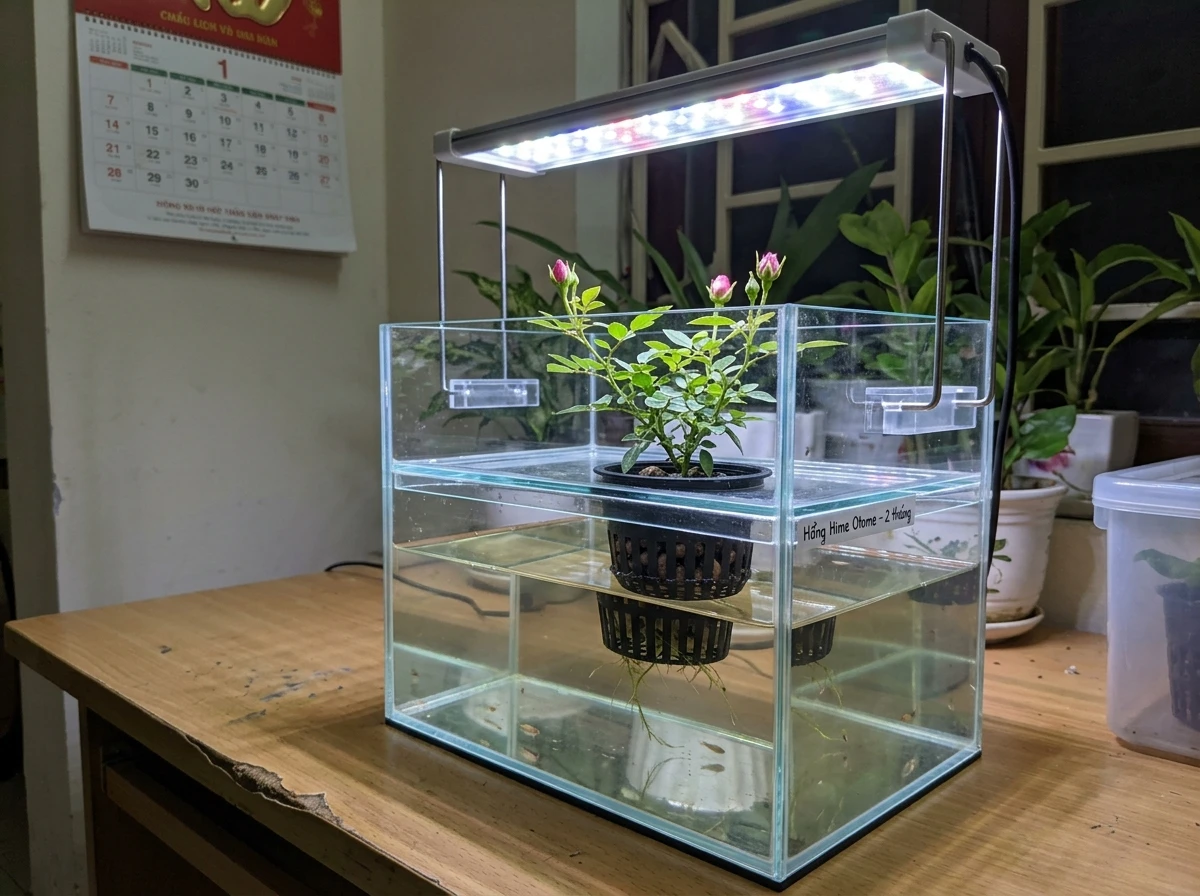
Designing the plant hanging rack: You can use specialized plastic trays or stainless steel 304 hanging racks to secure plants on the tank wall. When designing, ensure the hanging rack has well-ventilated gaps so water from the filtration system can circulate through the root zone, providing oxygen and nutrients from fish waste. According to aquatic experts, maintaining a distance of 2-3cm between the tray bottom and the water surface helps prevent complete root submersion and waterlogging, creating optimal conditions for gas exchange.
Installing the fixation system: Use adjustable-height hooks to flexibly change water levels according to the development of the Hime Otome rose's root system. Ensure the entire hanging rack system is securely attached to the tank wall to avoid shaking, helping the plant stabilize in a dynamic water environment. You can refer to additional plant arrangement techniques at How to grow mini water lilies in fish bowls beautifully and simply to optimize your aquarium space. Following these steps not only helps the rose grow healthily but also contributes to maintaining a stable, long-term sustainable aquarium ecosystem.
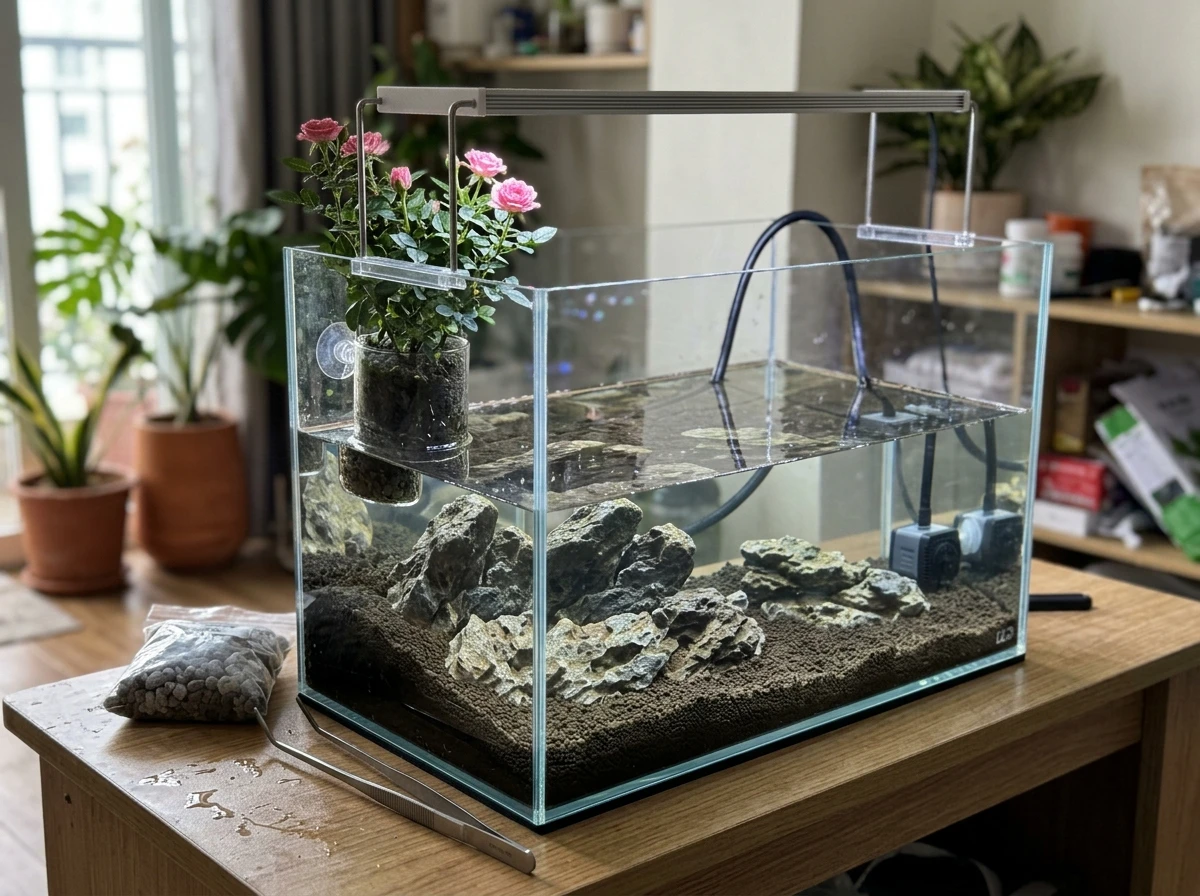
Specialized hydroponic system for Hime Otome mini roses placed on an ornamental aquarium wall in Vietnam
Setting up a professional hydroponic system, ensuring the substrate and roots of the Hime Otome mini rose have just enough contact with aquarium water.
Selecting Root-Holding Substrates That Don't Pollute Water
Selecting appropriate substrates is a critical factor when growing plants on aquariums: hydroponically grown Hime Otome mini roses, helping secure the root system without altering the chemical parameters in the water. The ideal substrate must ensure inertness, containing no decomposing organic impurities that cause pollution or suddenly increase ammonia concentration in the aquarium.
For the Hime Otome rose variety, experts recommend using lava rock or large-sized perlite as the main substrate. Lava rock has a porous structure and rough surface that helps roots anchor firmly and serves as an excellent habitat for beneficial microorganisms, supporting the nitrification process of waste from fish. According to aquatic technical standards, substrates need to be rinsed with dechlorinated water at least 3 times before use to completely remove fine dust and excess mineral particles that could cloud the water. Absolutely avoid using ordinary clay pellets or gravel containing limestone, as they can raise the water pH above 7.5, negatively affecting the health of ornamental fish.
Additionally, you can combine a thin layer of biological filter wool wrapped around the root crown to retain moisture and prevent substrate from falling into the tank. Maintaining substrate stability not only helps the rose develop a healthy root system but also creates a balanced ecosystem where plant roots serve as an effective natural filter. Ensure the substrate is always placed in a well-ventilated position, avoiding compaction that causes oxygen deficiency for roots, thereby helping the Hime Otome mini rose develop sustainably in a professional hydroponic environment.
Lava rock and specialized lightweight gravel substrates holding the base of Hime Otome mini roses in hydroponic aquariums
Selecting inert, water-insoluble substrates like lava rock or lightweight gravel helps keep the Hime Otome mini rose base stable without polluting the aquarium environment.
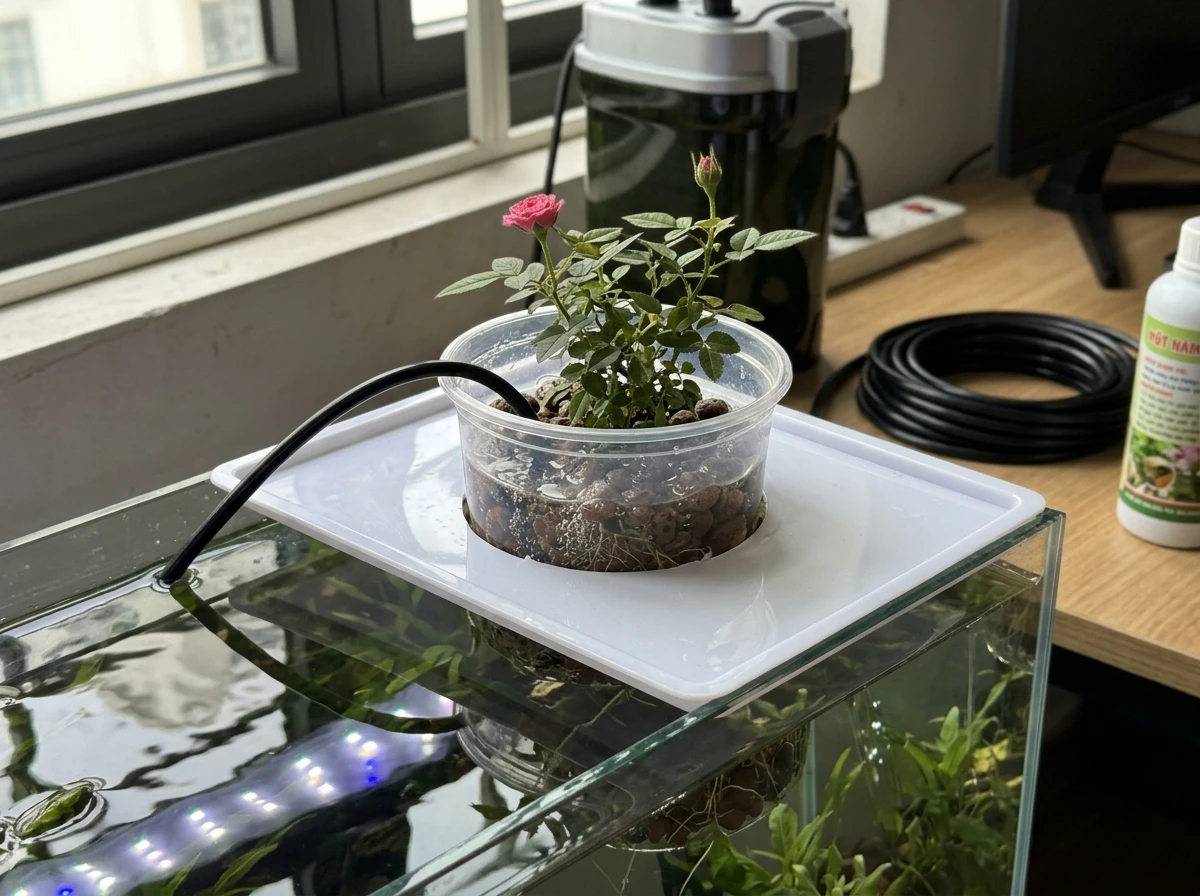
Designing Fixed Hanging Racks or Floating Trays
Designing fixed hanging racks or floating trays for plants on aquariums: hydroponically grown Hime Otome mini roses plays a decisive role in the stability of the root system and overall aesthetics. This system needs to ensure plant roots have just enough contact with water without completely submerging the plant stem, avoiding rotting due to oxygen deficiency.
To optimize the structure, you should prioritize inert materials that do not contain heavy metals or toxic chemicals that can dissolve into the water. Popular choices include:
Specialized 3D-printed plastic trays: Allow for precise customization of size according to the tank rim, ensuring high durability and no corrosion.
Plastic mesh hanging racks: Help securely anchor the rose base, creating an airy space for roots to develop freely in a nutrient-rich water environment.
Biofilm-wrapped floating foam trays: Suitable for aquariums with fluctuating water levels, helping plants maintain a stable distance from the water surface.
During installation, ensure the distance from the bottom of the tray to the water surface fluctuates between 1-2 cm. This gap creates conditions for aerial roots to absorb oxygen directly from the air, while also utilizing the abundant nitrate from fish waste to nourish the flowers. According to aquascaping experts, maintaining a sturdy, fixed structure helps minimize shaking, thereby reducing mechanical damage to young root tips. If you are looking for additional decorative solutions or design resources for your aquarium system, you can refer to How to grow mini water lilies in fish bowls beautifully and simply. Investing in a professional support system not only enhances the beauty of the Hime Otome rose but also creates a sustainable living environment for the entire ecosystem.
Hanging rack and floating tray for fixing mini Hime Otome rose plants on a hydroponic aquarium in Vietnam
Designing a hanging rack or floating tray helps fix the mini Hime Otome rose plant on the aquarium, creating a professional and aesthetic hydroponic environment.
Seedling Processing Procedure Before Introducing to the Tank
To ensure the safety of the aquarium ecosystem, processing the roots of the mini Hime Otome rose before hydroponic planting is the most crucial step. You need to completely remove the old potting soil and perform thorough disinfection to prevent pathogens, mold, or chemical fertilizer residues from entering the water environment.
Gently remove the rose plant from the plastic pot, using a gentle stream of running water to wash away all soil clinging to the root system. Absolutely do not leave any soil particles behind, as soil not only clouds the water but also contains harmful microorganisms that can cause fish to become infected.
After cleaning the plant roots, use sterilized scissors to trim any crushed, rotten, or overly long root sections to stimulate new roots to develop more vigorously in the water environment. Properly cleaning the ornamental plant helps it quickly adapt to hydroponic conditions without environmental shock.
Proceed to disinfect the plant by soaking the root system in a diluted potassium permanganate solution (concentration about 1-2 ppm) or physiological saline for about 5-10 minutes. This step helps eliminate snail eggs, parasites, or fungal spores hiding in root crevices, ensuring absolute safety for ornamental fish.
Rinse the plant roots under clean running water one final time to completely remove any disinfectant residue before placing the plant into the tank. According to aquascaping experts, strictly controlling the root cleaning procedure not only protects fish health but also helps the Hime Otome rose maintain stability, avoiding root rot caused by bacteria from the old soil.
Strictly adhering to the above processing steps will help you create a harmonious living environment where the rose can absorb nitrate from fish waste to grow, while keeping the tank water clear and safe. Always prioritize absolute cleanliness for the root system before fixing the plant into your professional hydroponic system.
Processing procedure for mini Hime Otome rose roots before hydroponic planting on an aquarium
Cleaning roots and removing old growing media is an important step for the mini Hime Otome rose to adapt well to the water environment in the aquarium.
Technique for Cleaning Roots and Removing Old Potting Soil
Cleaning the roots and completely removing old potting soil is a prerequisite step to ensure the mini Hime Otome rose grows healthily when transitioning to a hydroponic environment on an aquarium. If soil or organic impurities remain, the aquarium's filtration system will be overloaded, causing cloudy water and creating conditions for harmful bacteria to proliferate, directly affecting the health of ornamental fish.
To perform this procedure professionally, you need to follow these technical steps:
Gently remove the rose plant from the plastic pot, using your hands to gently squeeze to loosen the soil and let it fall out naturally.
Soak the entire root portion in a basin of clean water for about 15-20 minutes to soften tightly clinging soil clumps.
Use a gentle stream of running water to completely wash away any tiny soil particles still stuck in root crevices, avoiding breaking young roots.
Inspect and trim any rotten, blackened, or overly long root sections with scissors sterilized with 70% alcohol.
According to experts in aquatic ecosystems, thoroughly removing soil helps plant roots quickly adapt to an oxygen-rich water environment. After cleaning, you should soak the roots in a mild disinfectant solution or diluted salt water (0.5% concentration) for 5 minutes to eliminate potential pathogens. This procedure not only protects the water source but also helps the mini Hime Otome rose absorb nutrients from fish waste more effectively. Ensure the root system is completely clean before fixing it to the hydroponic substrate to maintain a sustainable biological balance for your aquarium.
Procedure for cleaning mini Hime Otome rose roots before hydroponic planting on an aquarium
Completely removing old potting soil and cleaning the root system is an important step for the mini Hime Otome rose to adapt well to the water environment in the aquarium.
Disinfection Method to Prevent Pathogens for Fish
Disinfecting the mini Hime Otome rose before introducing it to a hydroponic aquarium is a critical step to protect the ecosystem. This procedure helps completely eliminate pathogens, mold, and pesticide residues from the nursery, ensuring absolute safety for sensitive ornamental fish.
To perform professional disinfection, you need to strictly adhere to the following technical steps:
Soaking in diluted salt solution: Use 1-2% concentration salt water to soak the entire plant root portion for about 10-15 minutes. Salt has a natural antibacterial effect, killing parasites clinging to roots without harming plant tissue.
Using low-concentration potassium permanganate (KMnO4): Dilute potassium permanganate until the water turns light pink. Soak the plant roots for 5 minutes to oxidize harmful bacteria. Note, do not soak for too long as it may burn the young roots of the Hime Otome rose.
Rinsing thoroughly with dechlorinated water: After disinfection, it is mandatory to rinse the roots under clean, dechlorinated running water at least 3 times. This helps completely remove excess chemicals before contact with the water environment in the tank.
According to aquascaping experts, controlling pathogens from the plant source is a factor that determines up to 80% of the survival rate of fish in the tank. If this step is skipped, fungi from the old potting soil can proliferate rapidly, causing cloudy water and weakening the fish's immune system. Always prioritize using natural methods and carefully check the root condition after treatment to ensure the plant is ready to adapt to the new hydroponic environment.
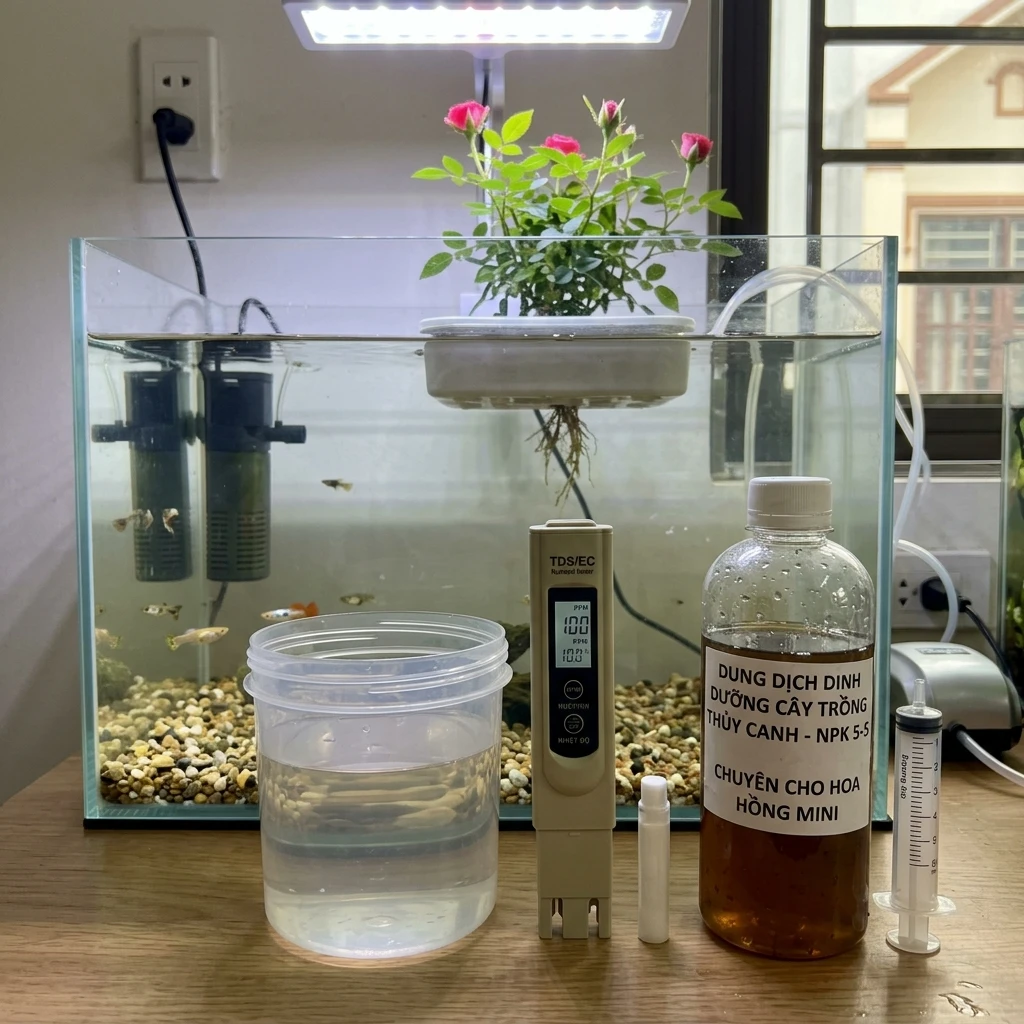
Specialized disinfectant solution placed next to a hydroponic aquarium growing mini Hime Otome rose in a home space in Vietnam
Periodic disinfection procedures help prevent pathogens, protecting the health of the mini Hime Otome rose and the hydroponic aquarium ecosystem.
Technique for Establishing a Balanced Nutrient Environment
The mini Hime Otome rose absorbs hydroponic nutrients primarily through converting aquarium nitrate from organic fish waste. This process transforms toxic compounds like ammonia into a natural protein source, helping the plant grow vigorously without needing additional chemical fertilizers that harm the water environment.
The nutrient absorption mechanism of the Hime Otome rose is based on the symbiosis between plant roots and microorganisms in the tank. When fish excrete, waste containing ammonia is converted by nitrifying bacteria into nitrate (NO3-), which is an essential hydroponic nutrient source that the rose roots can absorb directly. Utilizing aquarium nitrate not only helps the mini Hime Otome rose stay lush but also acts as a natural biological filter, helping maintain stable water parameters for ornamental fish. According to aquaponics system studies, maintaining nitrate concentration at 20-40 ppm is ideal for plant growth without shocking the fish.
Regarding the question of whether additional fertilizer is needed for hydroponic roses, the answer is no if your aquarium system is already stable. Using traditional plant fertilizers containing high levels of chemicals like ammonium nitrate or phosphate can suddenly change pH and cause poisoning in fish. Instead, you should focus on balancing fish density and feed amount to ensure the natural nutrient source is always abundant. If the plant shows signs of micronutrient deficiency like yellowing leaves, consider supplementing with specialized organic fertilizers for hydroponics at extremely low doses, verified as safe for aquatic animals.
To optimize the nutrient environment, you can refer to the following control table:
Parameter
Ideal Level
Impact on Rose Plant
Nitrate (NO3-)
20 – 40 ppm
Promotes leaf growth
Water pH
6.5 – 7.5
Optimal micronutrient absorption
Light
6 – 8 hours/day
Supports photosynthesis process
Maintaining this balance helps the mini Hime Otome rose not only survive but also flower regularly in a professional aquarium environment.
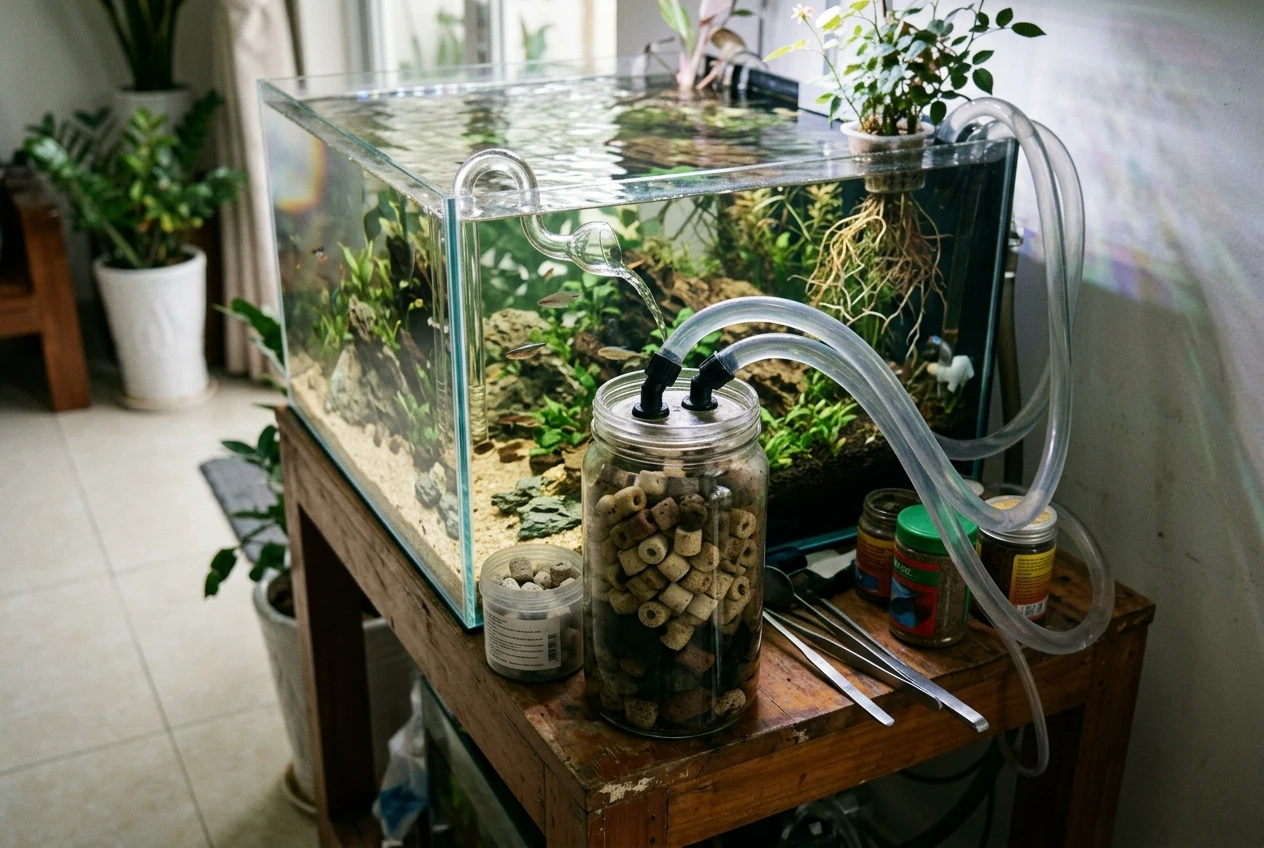
Close-up of the healthy developing root system of a mini Hime Otome rose in a hydroponic aquarium with a professional water filtration system
Establishing a balanced nutrient environment is the key factor for the stable development of the mini Hime Otome rose on a hydroponic aquarium.
Controlling Nitrate Concentration from Fish Waste
Controlling nitrate concentration is the key factor for stable development of hydroponically grown plants on aquariums: the mini Hime Otome rose, without harming ornamental creatures. Nitrate (NO3-) is the end product of the nitrogen cycle, created from the decomposition of fish waste and leftover food, serving as an abundant natural fertilizer source for the rose.
To optimize nitrate absorption capacity, hobbyists need to maintain a balance between fish density and plant quantity. A professional hydroponic system should adhere to the following principles:
Plant ratio: Ensure the area of plant roots in contact with water is large enough to absorb the daily generated nitrate.
Feed control: Limit leftover food to reduce the nitrogen processing load on the mini rose's root system.
Periodic measurement: Use specialized test kits to maintain nitrate concentration within the safe range of 10-40 ppm.
If nitrate concentration exceeds the 50 ppm threshold, the rose may suffer nutrient shock, leading to leaf burn or early bud drop. Conversely, if the concentration is too low, the plant will lack the necessary nutrients to maintain vibrant flower color. In this case, supplementing with specialized micronutrients is necessary, but must ensure the composition does not contain copper or heavy metals toxic to fish. Closely monitoring chemical parameters in the water not only helps the Hime Otome rose grow healthily but also creates an ideal living environment, keeping ornamental fish healthy and minimizing the risk of harmful algae outbreaks in your aquascape.
Mini Hime Otome rose grown hydroponically on an aquarium helps naturally control nitrate concentration
The mini Hime Otome rose develops a healthy root system in the aquarium, playing the role of a natural biological filter helping absorb nitrate from fish waste.
Supplementing Necessary Micronutrients for Roses
Supplementing micronutrients for plants on an aquarium: hydroponically grown mini rose Hime Otome is a key factor in maintaining vibrant flower colors and lush green foliage. In static or circulating water environments, essential minerals are often depleted due to rapid plant absorption, requiring hobbyists to proactively provide specialized nutrients rather than relying solely on fish waste.
To ensure stable growth of the rose plant, you should focus on the following micronutrient groups:
Iron (Fe): Prevents leaf yellowing, helping leaves achieve a natural deep green color.
Magnesium (Mg): Supports the photosynthesis process, especially crucial when plants are placed under high-intensity lighting.
Manganese (Mn) and Zinc (Zn): Stimulates the growth of new shoots and enhances flower resistance.
When supplementing, prioritize using specialized hydroponic fertilizers for ornamental plants that are highly safe for fish. According to biology experts, micronutrient concentrations should be strictly controlled below 0.5 ppm to avoid shocking the microbial system and harming ornamental fish in the tank. You should divide the dosage and dose periodically each week instead of pouring a large amount directly into the tank. Observing leaf color is the most accurate measure; if leaves show signs of fading or leaf veins turn yellow, it's a signal that the plant is severely deficient in micronutrients. Always check the water's pH level, as pH that is too high or too low will reduce the nutrient absorption capacity of the Hime Otome rose's root system, making supplementation less effective.
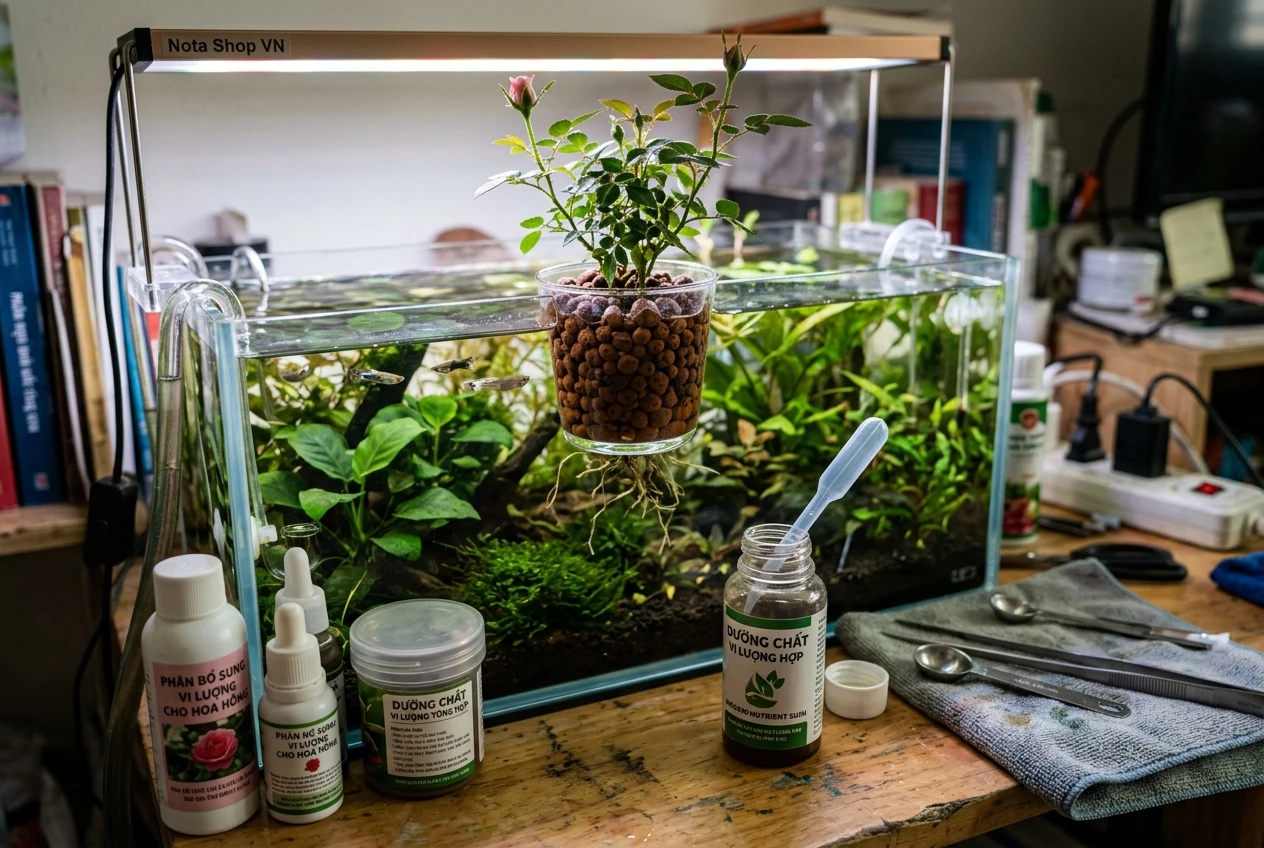
Bottle of micronutrient solution placed next to an aquarium with hydroponically grown mini rose Hime Otome
Periodic micronutrient supplementation helps the mini rose Hime Otome grow healthily in a hydroponic environment on an aquarium.
Steps for implementing installation on an aquarium
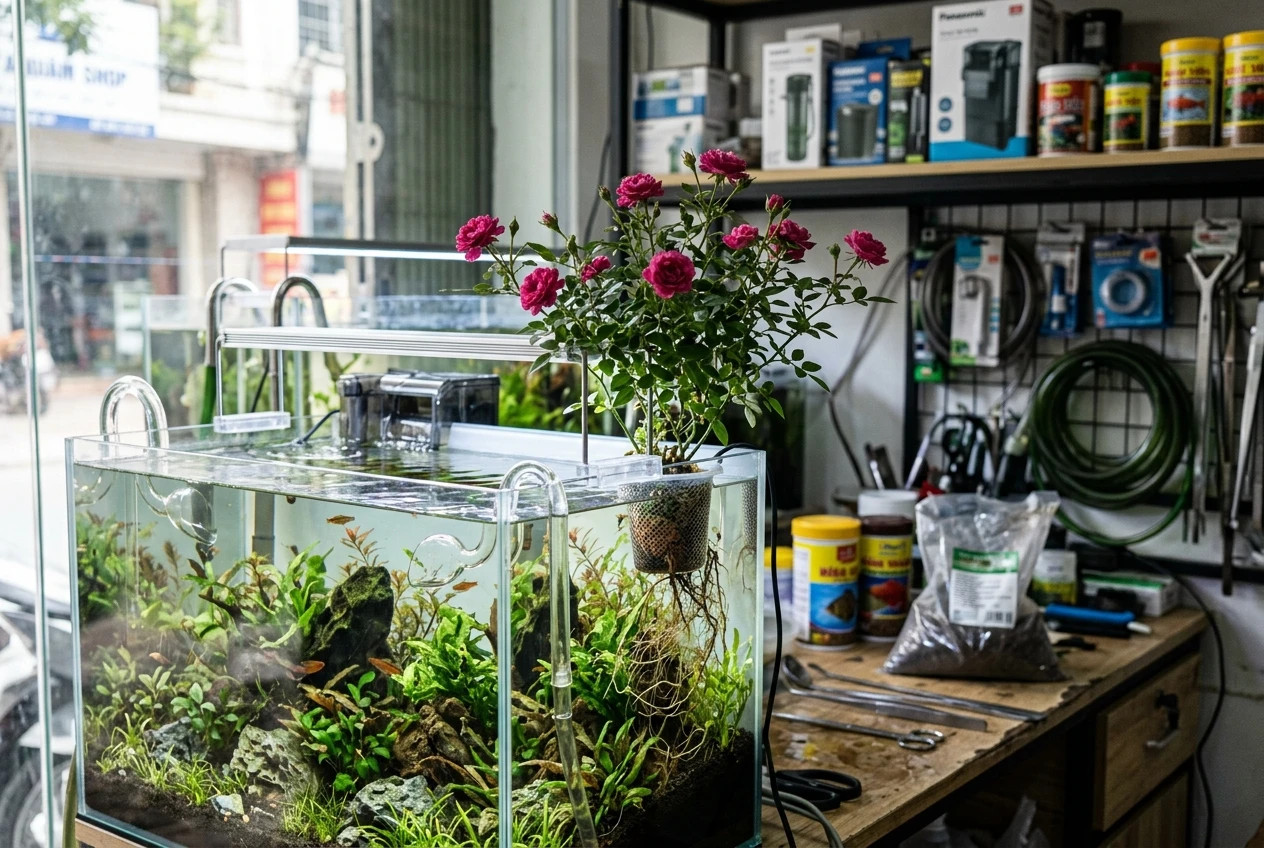
Installing the mini rose Hime Otome plant on an aquarium requires absolute precision to ensure healthy root development without affecting water quality. This hydroponic technique requires hobbyists to secure the plant so that only the roots are in contact with water, absolutely avoiding submerging the stem to prevent rotting.
To professionally plant on an aquarium, follow these steps:
Use specialized hydroponic plastic baskets or supports made of inert materials like 3D-printed plastic safe for fish to secure the rose base. Ensure the support is firmly attached to the tank wall, creating stable height.
Place the plant in the basket so that the root crown is at least 1-2 cm above the water surface. This allows air circulation around the root crown, preventing mold growth due to excessive humidity.
Adjust the water level in the tank so that only about 1/3 to 1/2 of the root length is submerged. This ideal water level helps the roots efficiently absorb nitrates from fish waste while maintaining respiration capacity for the remaining roots.
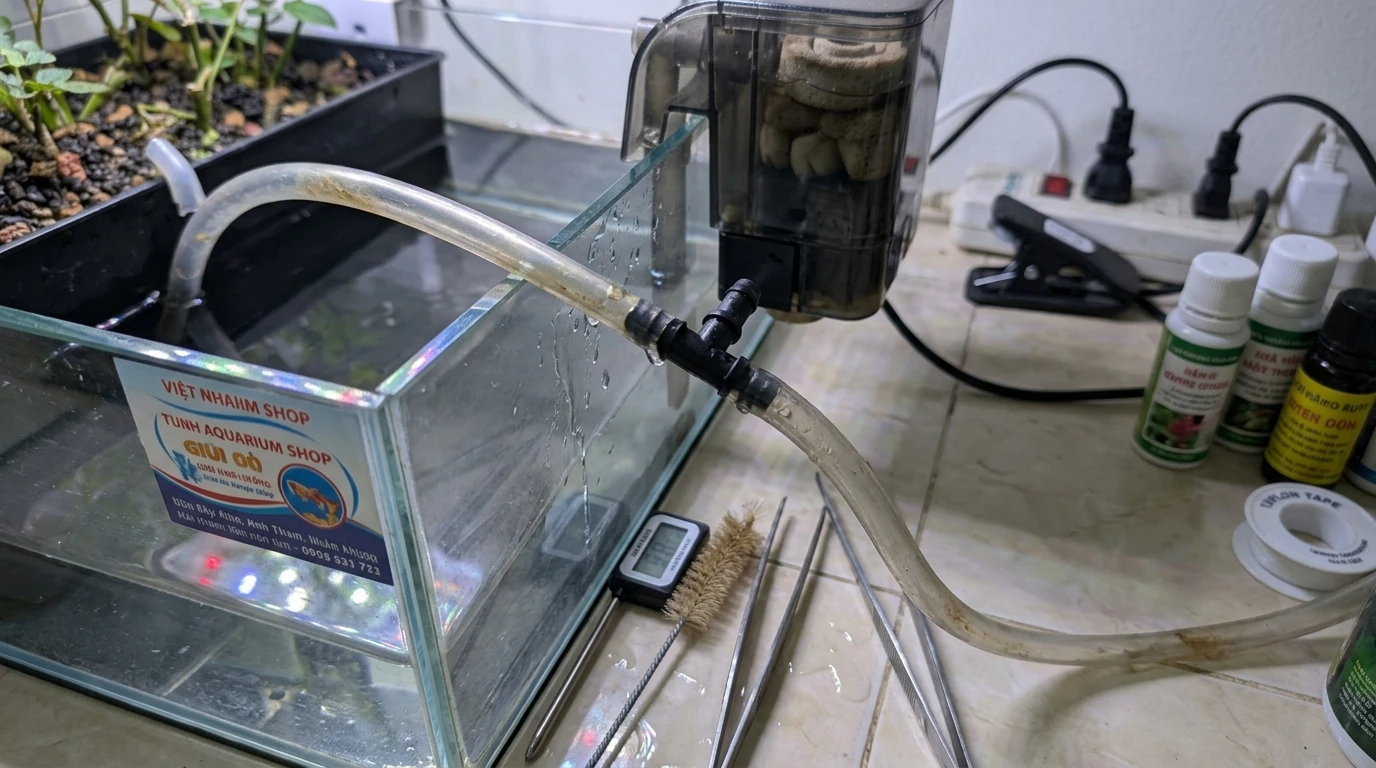
Check the system's stability after installation. Ensure that the flow from the filter does not directly impact the root system too strongly, avoiding damage to newly emerging young root tips.
According to aquatic ecosystem experts in 2026, maintaining the distance between the water surface and the plant stem is a vital factor for the Hime Otome rose to adapt to a semi-aquatic environment. If the stem is continuously submerged, cell tissues will quickly decompose, creating conditions for harmful bacteria to proliferate in the aquarium. You should check weekly to readjust the position if the tank water level changes due to evaporation. Correctly applying this hydroponic technique not only creates a unique aesthetic highlight but also significantly improves the living environment quality for ornamental fish thanks to the natural biological filtration from the rose roots.
Installation process of hydroponically grown mini rose Hime Otome on a home ornamental aquarium
Steps for installing the substrate and securing the mini rose Hime Otome on a professional hydroponic aquarium wall.
Securing the rose plant to the water contact position
Securing the mini rose Hime Otome plant to the water contact position requires high precision to ensure the root system absorbs nutrients from the aquarium without causing rot. You need to set up a support system so that only the root tips contact the water surface, avoiding complete submersion of the stem.
To implement effectively, use specialized plastic baskets or non-dissolving foam substrates to firmly hold the rose base. This helps the plant stand firmly, not toppling over when affected by filter flow. An important note is that the distance from the water surface to the root crown should be maintained within 1-2 cm. If the roots are too long, you can trim old roots to stimulate stronger growth of new roots in the hydroponic environment. According to experts, controlling the stability of the substrate helps the mini rose Hime Otome quickly adapt to the available nitrate concentration in the water, thereby minimizing environmental shock.
Additionally, you can refer to methods for planting mini water lilies in beautiful and simple fish bowls to apply similar principles to your hydroponic system. When installing, ensure that securing materials do not contain toxic chemicals or heavy metals that could affect the health of ornamental fish. Periodic checking every 48 hours in the first week is necessary to adjust root position, ensuring the plant always receives sufficient oxygen and does not become waterlogged. The combination of scientific securing techniques and water quality management will create a sustainable ecosystem, helping the rose plant grow lushly and flower regularly right on your aquarium.
Close-up of mini rose Hime Otome roots securely fixed to the edge of a hydroponic aquarium using a specialized support
Using a specialized support to secure the mini rose Hime Otome base, ensuring the roots have just enough contact with water in the aquarium
Adjusting water level suitable for the root system
Adjusting the water level suitable for the root system is a vital factor when planting on an aquarium: hydroponically grown mini rose Hime Otome, helping the plant absorb nutrients optimally without root rot. For the Hime Otome rose variety, the ideal water level should only lightly touch the root tips or submerge about 1/3 of the root system, ensuring the remainder is exposed to air for oxygen exchange.
To maintain this balance, note the following techniques:
Contact depth: Only let main roots contact water, avoid completely submerging the root crown or stem as it will cause rapid waterlogging and rot.
Control fluctuations: Water levels in aquariums often change due to evaporation or cleaning operations. You should design floating trays or hanging supports capable of self-adjusting to the water level to maintain a stable distance for the root system.
Aeration: If the root system is too dense, ensure there is space between substrates for oxygen circulation, preventing the formation of anaerobic zones harmful to the aquarium ecosystem.
According to aquatic experts, maintaining a stable water level helps the Hime Otome rose develop sustainably, with survival rates significantly increasing when roots receive sufficient oxygen (reaching 85-90% in professional hydroponic environments). If the water level is too high, roots will lose respiratory capacity, leading to leaf yellowing and early shedding. Conversely, if the water level is too low, the plant will lack nitrate sources from fish waste, slowing the flowering process. Check weekly to adjust substrate position, ensuring the plant is always in the best growth state in the water environment.
Close-up of mini rose Hime Otome root system hydroponically grown on an aquarium with appropriately adjusted water level
Adjusting water level to just touch the main roots helps the mini rose Hime Otome develop stably in a hydroponic aquarium environment.
Risk management and handling common issues
Why do rose roots rot in water? → Rose root rot is often due to localized oxygen deficiency or overly stagnant water environment. When roots are waterlogged, cell tissues lose respiratory capacity, leading to necrosis. To remedy, ensure the water level only contacts about 1/3 of the root system, the remainder needs air contact for oxygen exchange.
How to handle algae clinging around the plant base? → Harmful algae proliferate strongly due to excess light and nutrients in the tank. To handle, reduce lighting time to under 8 hours daily or use shading plants. Mechanical cleaning with a soft brush combined with periodic 20% weekly water changes will effectively control algae growth.
How to care for the rose plant when showing signs of weakness? → When the plant shows signs of yellowing leaves or roots turning brown-black, immediately check nitrate concentration and pH in the tank. Supplementing with strong aeration helps increase dissolved oxygen, supporting root recovery. If the condition is serious, remove the plant, cut off damaged roots, and disinfect with diluted hydrogen peroxide solution before replanting.
How to maintain long-term ecological balance? → Plant care requires persistence in monitoring water quality. According to aquatic experts, maintaining stable nitrate concentration below 20ppm is key for healthy plant growth without harming fish. Combine periodic checks to adjust fish food amounts, avoiding excess organic matter polluting the mini rose Hime Otome's living environment.
Close-up of hydroponically grown mini rose Hime Otome roots on an aquarium being checked for issue handling
Checking root condition and water quality when handling issues for mini rose Hime Otome on a hydroponic aquarium.
Signs of plant waterlogging and remedies
Signs of mini rose Hime Otome root waterlogging when hydroponically grown on an aquarium often appear through conditions like yellowing, wilting leaves, early shedding, or roots turning brown-black with an unpleasant odor. Early detection of these symptoms helps you intervene timely, protecting the aquarium ecosystem from water source pollution risk due to decomposing roots.
To effectively remedy waterlogging, perform these technical steps:
Immediately check the root system: Gently lift the plant from the substrate, observe if roots are mushy or rotten, use sterilized scissors to completely cut off damaged roots to prevent fungal disease spread.
Adjust water contact level: Ensure only about 1/3 of the root system is submerged, the remainder needs air contact for oxygen exchange, avoiding root suffocation due to oxygen deficiency in static water environments.
Enhance water circulation: Use an air pump or filter creating gentle flow around the root area to maintain stable dissolved oxygen concentration, helping roots stay healthy and absorb nutrients better.
Clean surrounding environment: Remove harmful algae patches or excess organic matter accumulated around the plant base, as these are main factors hindering root respiration.
According to aquatic experts, maintaining minimum dissolved oxygen concentration at 5-6 mg/L is a key factor for plants on an aquarium: hydroponically grown mini rose Hime Otome to develop sustainably without encountering root rot. If the plant does not recover after 7 days, transfer it to a moist soil environment for recuperation before returning to the tank.
Preventing harmful algae growth around the base
Preventing harmful algae growth around the base of plants on a professional hydroponic aquarium requires combining light control and nutrient management. Algae often proliferate strongly at positions directly exposed to high-intensity light sources, hindering nutrient absorption of the mini rose Hime Otome.
To minimize algae growth, apply the following technical measures:
Use shielding materials: Use dark-colored, non-transparent planting cups or substrates to cover the root and base of the plant. This helps prevent light from directly contacting the water in the root area, thereby eliminating the ideal photosynthetic environment for algae.
Control lighting duration: Maintain the aquarium lighting cycle from 6 to 8 hours per day. Excessive lighting not only harms the plant but also stimulates rapid growth of brown and green algae on the substrate surface.
Enhance water flow: Ensure water around the root area is always well-circulated. Stable water flow helps prevent the accumulation of excess organic matter – the primary food source for algae – while providing necessary oxygen for the plant's root system.
According to aquatic experts, maintaining stable nitrate levels below 20ppm is key to balancing the ecosystem. If algae still appear, recheck fish density and excess food amounts, as these are the most common causes of nutritional imbalance. Regular cleaning using a soft brush to clean the substrate once a week will help the Hime Otome mini plant grow healthier and more aesthetically pleasing in the aquarium environment.
Interaction between the plant and the aquarium ecosystem
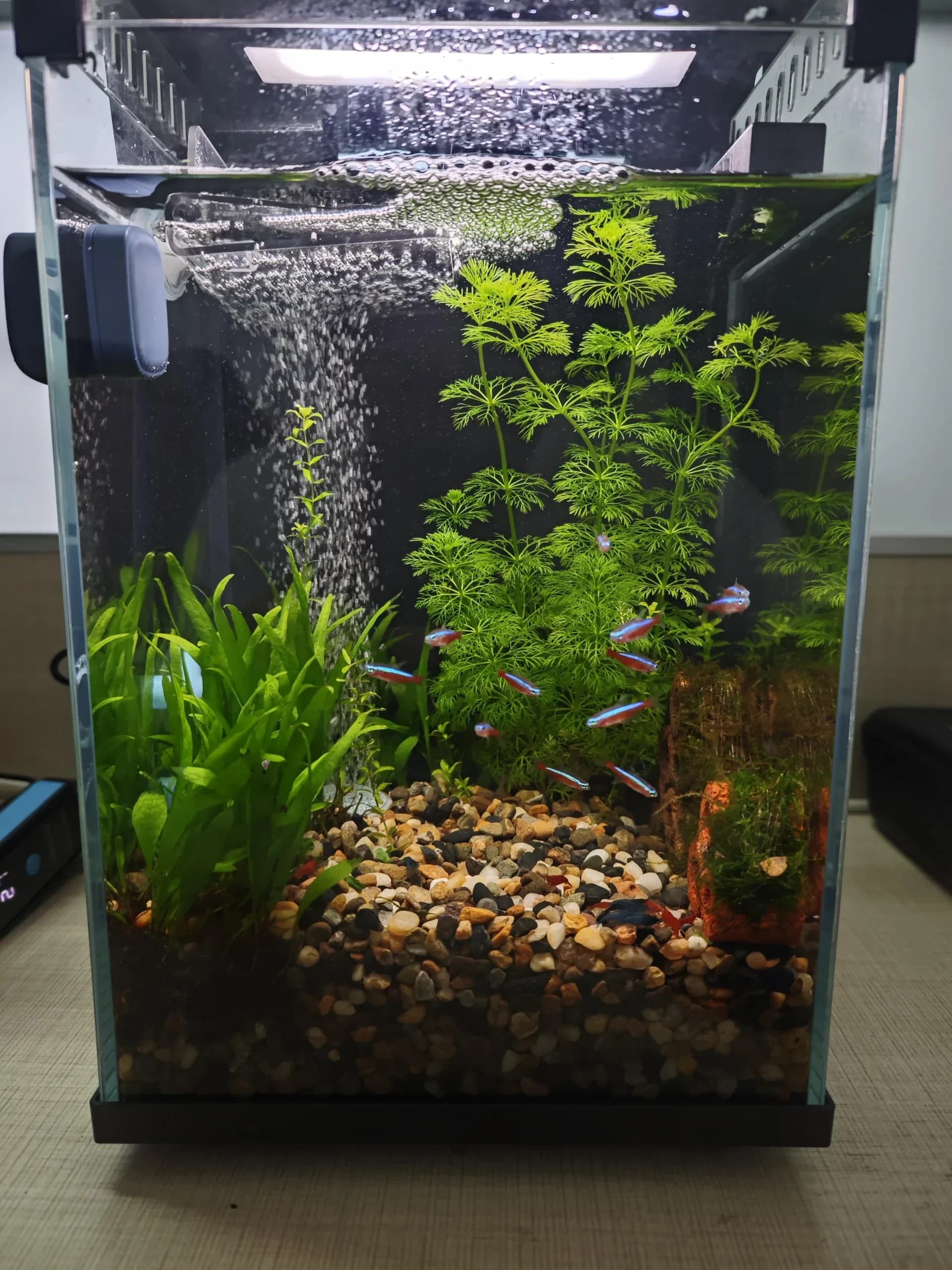
The Hime Otome mini plant acts as an effective natural water filter in the aquarium ecosystem, helping absorb excess nitrate from fish waste. This symbiosis not only creates sustainable biological balance but also improves water quality, reducing the frequency of periodic water changes for keepers.
In a hydroponic environment, the root system of the Hime Otome plant functions as a biological substrate, where beneficial bacteria reside to decompose toxic organic compounds. According to studies on small-scale aquaponics systems, integrating plants with high nutrient absorption capacity can reduce ammonia concentration in water by up to 30-40% after just two weeks of stable operation. This creates a clean living environment, helping ornamental fish grow healthily and minimizing risks of skin or gill diseases due to polluted water. To optimize this effect, you can refer more about How to plant beautiful and simple mini water lilies in fish pots to diversify the plant system for your aquarium.
An important concern that hobbyists often worry about is whether plant fertilizer can kill fish. The answer is yes, if you use chemical fertilizers containing high levels of copper, nitrate, or harmful fungicides. To ensure absolute safety for the aquarium ecosystem, you need to follow these principles:
Prioritize using slow-release organic fertilizers or specialized hydroponic solutions labeled "aquarium safe."
Minimize direct fertilization into the water; instead, use separate substrate trays to prevent chemical dispersion.
Regularly check pH, NH3, and NO3 levels in water after fertilization to adjust appropriate dosages.
Maintaining biological balance requires patience and careful observation. When the Hime Otome plant grows stably, it will become an inseparable part of the aquarium, bringing refined aesthetic beauty and an ideal living environment for aquatic species.
Benefits of hydroponic plants for water quality
Integrating the Hime Otome mini plant into the hydroponic aquarium system provides dual benefits, significantly improving water quality through natural biological filtration mechanisms. The plant's root system acts as a living filter, directly absorbing toxic compounds from fish waste, thereby maintaining water environment stability without chemical intervention.
Specifically, the plant's metabolic process helps convert excess nitrogen compounds, particularly ammonia (NH3) and nitrite (NO2) – which are toxic to fish – into less toxic nitrate (NO3), then absorbs them for growth. According to studies on hydroponic ecosystems, maintaining appropriate plant density can reduce nitrate concentration in water by up to 40-60% after just 3 weeks of stable operation. This not only makes water clearer but also reduces the frequency of periodic water changes, creating a safe and sustainable living environment for sensitive ornamental fish species.
In addition to waste processing capability, the Hime Otome plant's root system also provides ideal shelter space for beneficial microorganisms (nitrifying bacteria). These bacteria colonize the root surface, forming a high-level biological filtration system, effectively supporting the mechanical filtration system below. To optimize this effect, hobbyists need to ensure the root system is always exposed to gentle water flow, avoiding stagnant water causing oxygen deficiency. The perfect symbiosis between plants and ornamental fish not only enhances aesthetics but also establishes a closed nutrient cycle, helping the system operate stably and healthily long-term.
Impact of plant fertilizer on ornamental fish health
Using fertilizer for the Hime Otome mini plant in hydroponic aquariums requires absolute caution to protect ornamental fish health. Common chemical fertilizers containing high levels of nitrate, phosphate, and heavy metals can cause acute poisoning, sudden pH changes, or lead to environmental shock in fish, even death if concentrations exceed safe thresholds.
To ensure safety, hobbyists should prioritize utilizing natural nutrients from fish waste through the nitrification process. The aquarium's microbial system will convert ammonia from fish waste into nitrate, providing an ideal organic fertilizer source for the plant's root system without needing chemical supplements. If the plant shows micronutrient deficiency signs, use specialized fertilizers designed specifically for aquatic plants with extremely low dosages, only 1/4 of the package instructions. Particularly, absolutely avoid fertilizers containing copper or pesticides, as these are extremely toxic to most ornamental fish species and invertebrates in the aquarium.
Strictly controlling the fertilization process not only helps the Hime Otome plant grow stably but also maintains sustainable ecological balance. You should perform regular weekly water parameter checks using specialized test kits. If nitrate levels exceed 40ppm, reduce fish feeding amounts or increase water changes to avoid harming the system. The harmonious combination of natural nutrition and technical management will create an ideal living environment for both plants and ornamental fish.